Unlocking the Potential of Rice Fermentation Products (RFPs) in Cosmetics

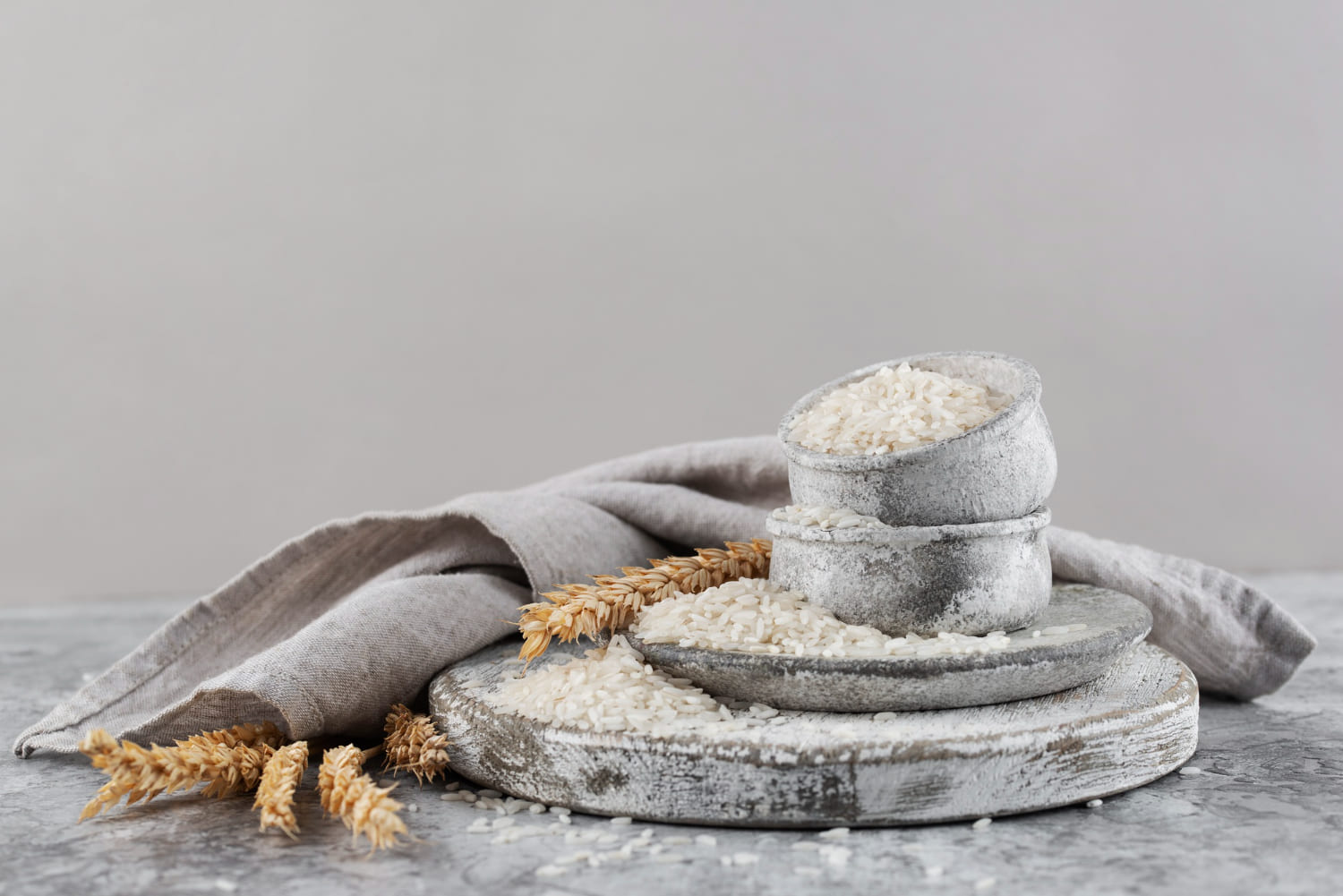
In recent years, the cosmetic industry has increasingly shifted toward the use of natural ingredients that are more environmentally friendly and safer for the skin. Interestingly, not only well known ingredients but also simple materials such as rice are now gaining attention for their potential.
Rice, traditionally recognized as a staple food, is in fact rich in bioactive compounds such as amino acids, vitamins, and polyphenols that are beneficial for moisturizing, protecting, brightening, and slowing down skin aging.
Innovation through rice fermentation processes further enhances this potential by enriching and optimizing the active components within rice. As a result, rice fermentation products have emerged as one of the most promising natural ingredients in the development of modern skincare products.
Table of content :
- How Does Rice Fermentation Work in the Development of Skincare Products?
- Benefits of Rice Fermentation produvts (RFPs) for Maintaining Skin Health
How Does Rice Fermentation Work in the Development of Skincare Products?
Rice fermentation is a biochemical process in which microorganisms such as bacteria, yeast, and fungi convert complex compounds in rice into simpler and more biologically active substances. This process enhances bioavailability (making compounds easier for the skin to absorb), increases biological activity (making them more effective as antioxidants, anti aging agents, etc.), and reduces the potential for irritation as the molecules become smaller and more refined.
Various types of rice, including white, brown, red, and black rice, can be used in fermentation. The selection of raw materials is crucial, as it influences the fermentation outcome due to differences in nutritional composition among rice varieties.
The selected rice is then inoculated with specific microorganisms, such as Lactobacillus, Saccharomyces cerevisiae, or Aspergillus. These microorganisms play a key role in breaking down rice components into bioactive compounds.
To optimize microbial activity and the final product, environmental conditions must be carefully controlled. Key parameters include temperature, pH, and fermentation duration.
During fermentation, microorganisms produce enzymes that break down starch into simple sugars, proteins into peptides and amino acids, and lipids into fatty acids. These resulting molecules are smaller and more biologically active. In addition to degradation, fermentation also generates new beneficial compounds, such as organic acids (e.g., lactic acid), active polyphenols, and vitamins (particularly B vitamins).
After fermentation is completed, the mixture still contains microorganisms, residual solids, and various active compounds. Therefore, extraction and purification processes are required before the material can be used in cosmetic formulations. Extraction can be performed using water or solvent based methods, while the removal of large particles can be achieved through filtration or centrifugation. Further purification may involve techniques such as chromatography or fractionation.
Read also :
Utilization of Postbiotics in Cosmetic Products to Support Skin Health. There is 2 Facts!
Benefits of Rice Fermentation produvts (RFPs) for Maintaining Skin Health
Rice fermentation products (RFPs) have gained significant attention in the cosmetic industry due to their diverse bioactive compounds and multifunctional benefits for skin health. Various microorganisms, such as Lactobacillus, Saccharomyces cerevisiae, and Aspergillus oryzae, play essential roles in the fermentation process by producing active compounds that contribute to multiple biological effects on the skin.
One of the primary benefits of RFPs is their ability to enhance skin hydration. The presence of amino acids, peptides, and polysaccharides produced during fermentation helps attract and retain moisture in the skin. Microorganisms such as Saccharomyces cerevisiae and Aspergillus oryzae contribute to the production of compounds that stimulate hyaluronic acid synthesis, resulting in more hydrated, smooth, and supple skin.
In addition, RFPs play a crucial role in repairing and strengthening the skin barrier. Bioactive compounds generated during fermentation can enhance the expression of essential proteins such as claudin and occludin, which are responsible for maintaining skin barrier integrity. Fermentation by Saccharomyces cerevisiae produces active components that support the skin’s protective function, thereby reducing transepidermal water loss and improving resistance to external irritants.
Another important benefit of RFPs is their antioxidant activity, which helps protect the skin from free radical damage. These products are rich in polyphenols, vitamins, and other antioxidant compounds that are enhanced during fermentation by microorganisms such as Lactobacillus and Aspergillus. This antioxidant activity plays a key role in preventing cellular damage and slowing down the skin aging process.
RFPs also demonstrate significant potential in skin brightening. Fermentation by Lactobacillus produces organic acids, such as lactic acid, which act as mild exfoliants that help remove dead skin cells and inhibit melanin production. As a result, the skin appears brighter and more even toned.
Furthermore, RFPs exhibit anti inflammatory properties that are beneficial for maintaining skin health, especially for sensitive or acne prone skin. Microorganisms such as Lactobacillus produce metabolites that can suppress inflammatory responses, helping to reduce redness, irritation, and inflammation. This makes RFPs a promising ingredient for treating problematic skin conditions.
In addition, RFPs contribute to anti aging effects by reducing visible signs of aging. Peptides produced during fermentation by Saccharomyces cerevisiae and lactic acid bacteria help stimulate collagen production and improve skin elasticity. Combined with their antioxidant properties, RFPs help reduce fine lines and maintain skin firmness.
Finally, RFPs play an important role in maintaining the balance of the skin microbiome. Microorganisms such as Lactobacillus produce compounds that promote the growth of beneficial bacteria while inhibiting pathogenic microorganisms. This balance is essential for overall skin health and for preventing various skin disorders.
Amid the growing trend of fermentation based cosmetics, the use of Rice Fermentation Products (RFPs) requires not only a compelling concept but also strong scientific validation. Products without testing data may struggle to compete in the market.
Conduct testing with IML Testing and Research to ensure your product has measurable performance and is ready to compete globally.
Author: Dherika
Editor: Alphi
References
Gupta, K., Bardhan, P., Saikia, D., Rather, M.A., Loying, S., Mandal, M., & Kataki, R. (2022). Microbial Fermentation: Basic Fundamentals and Its Dynamic Prospect in Various Industrial Applications. In Industrial Microbiology and Biotechnology, Springer: Berlin/Heidelberg, Germany, 107–128.
Yang, F., Hu, Y., Meihui, W., Miao, G., & Hua, W. (2025). Biologically Active Components and Skincare Benefits of Rice Fermentations Products: A Review. Cosmetics, 12(29), 1-18.