Why Plants Remain Unhealthy Even After Fertilization. 7 Facts!

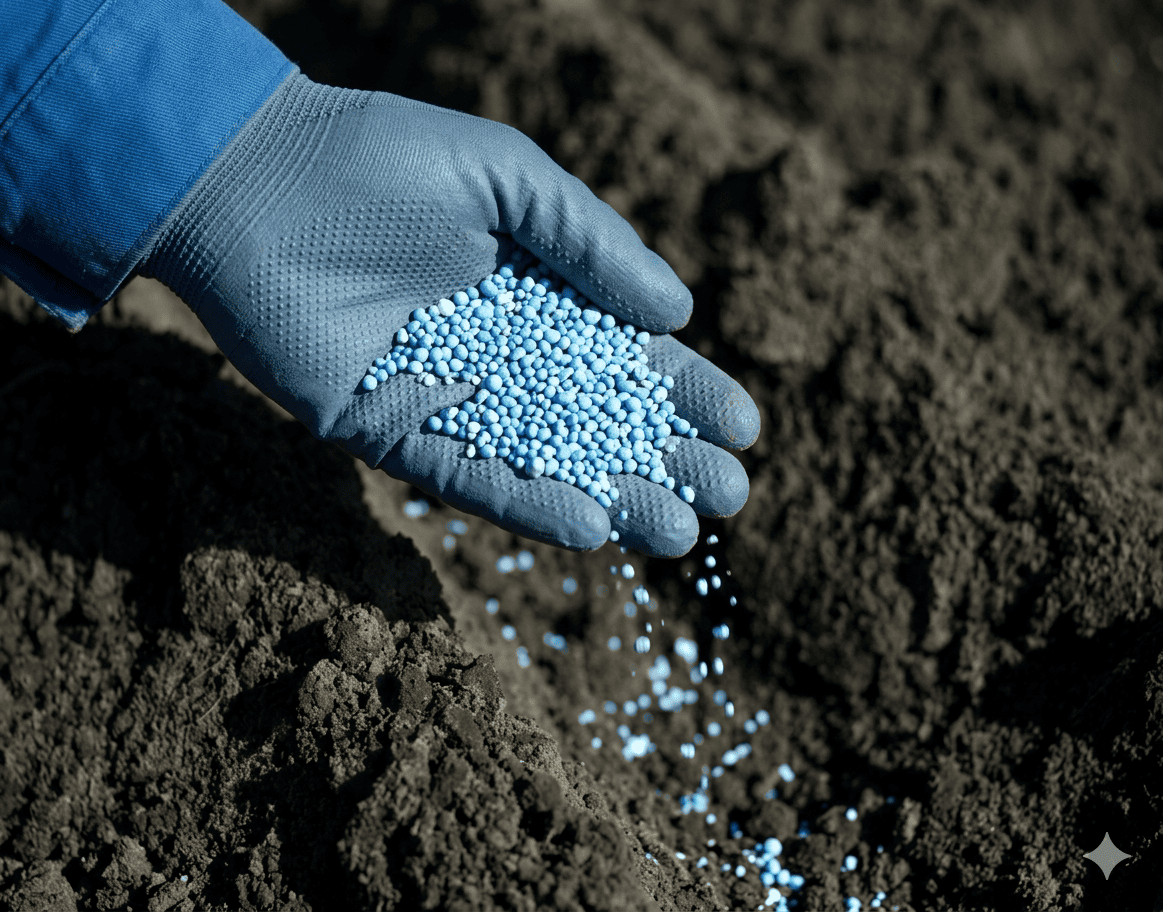
Fertilization is widely recognized as a key practice in agriculture to enhance plant growth and productivity. By supplying essential nutrients such as nitrogen (N), phosphorus (P), and potassium (K), fertilizers are expected to support optimal plant development. However, in many cases, farmers encounter a common problem: plants remain stunted or unhealthy despite regular fertilization.
This situation indicates that fertilization alone is not sufficient to guarantee plant health. Plant growth is influenced by multiple interacting factors, including soil conditions, environmental variables, and management practices. Understanding the underlying causes of poor plant performance despite fertilization is essential for improving agricultural outcomes.
Table of Content :
- Improper Fertilizer Dosage
- Nutrient Imbalance
- Poor Soil Conditions
- Low Soil Organic Matter
- Water Management Issues
- Pest and Disease Pressure
- Incorrect Fertilizer Application Method
- Environmental Factors
- Conclusion
Improper Fertilizer Dosage
One of the most common reasons is the incorrect dosage of fertilizer application. Both insufficient and excessive fertilization can negatively affect plant growth. When nutrients are applied in inadequate amounts, plants cannot meet their nutritional requirements, resulting in stunted growth.
On the other hand, excessive fertilizer application can lead to nutrient toxicity and osmotic stress. High salt concentrations in the soil may damage plant roots and inhibit water uptake. Therefore, applying the right amount of fertilizer based on plant needs is crucial for achieving optimal results.
Nutrient Imbalance
Balanced nutrition is essential for proper plant development. Even if fertilizers are applied, plants may still suffer if certain nutrients are lacking or present in excess. For example, excessive nitrogen can promote vegetative growth while suppressing flowering and fruiting.
Additionally, nutrient interactions in the soil can affect availability. High levels of one nutrient may inhibit the uptake of another, leading to hidden deficiencies. This imbalance often results in symptoms such as yellowing leaves, poor root development, and low yield.
Poor Soil Conditions
Soil quality plays a critical role in determining the effectiveness of fertilization. Factors such as soil pH, texture, and organic matter content influence nutrient availability and uptake. If the soil is too acidic or too alkaline, certain nutrients become unavailable to plants even when they are present.
Compacted soil or poor drainage can also limit root growth and reduce nutrient absorption. In such conditions, fertilizers may not be effectively utilized by plants. Improving soil structure and maintaining optimal pH are essential steps in enhancing fertilizer efficiency.
Read also :
Effective Fertilization for Leafy Vegetable Crops. 3 Facts !
Low Soil Organic Matter
Organic matter is a vital component of fertile soil. It improves soil structure, enhances water retention, and supports microbial activity. Without sufficient organic matter, soil becomes less capable of retaining nutrients supplied by fertilizers.
As a result, nutrients may be easily lost through leaching or volatilization. This reduces the effectiveness of fertilization and limits plant growth. Incorporating organic materials such as compost can help improve soil fertility and nutrient availability.
Water Management Issues
Water availability significantly affects nutrient uptake in plants. Both insufficient and excessive watering can interfere with fertilizer effectiveness. In dry conditions, nutrients cannot dissolve and move toward plant roots.
Conversely, excessive irrigation or heavy rainfall can wash away nutrients from the root zone. This process, known as leaching, reduces nutrient availability and contributes to environmental pollution. Proper irrigation management is therefore essential for maximizing the benefits of fertilization.
Pest and Disease Pressure
Even with adequate fertilization, plants may fail to thrive if they are affected by pests and diseases. Insects, fungi, bacteria, and viruses can damage plant tissues and disrupt physiological processes.
When plants are under stress from pests or diseases, their ability to absorb and utilize nutrients is reduced. This leads to poor growth and low productivity despite sufficient nutrient supply. Integrated pest management is necessary to protect plant health.
Incorrect Fertilizer Application Method
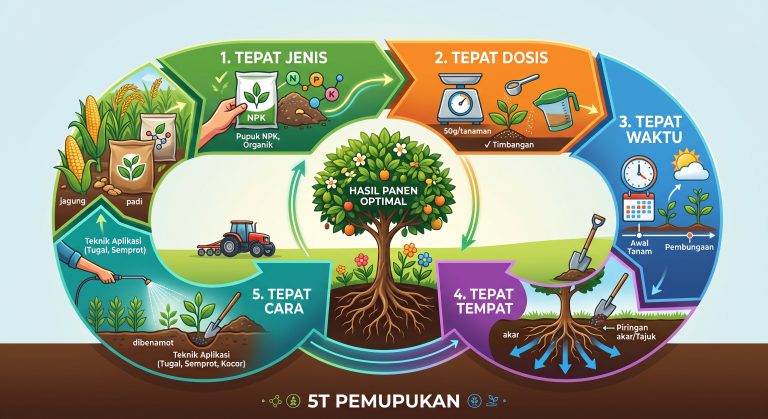
The method of fertilizer application also influences its effectiveness. Broadcasting fertilizer without proper incorporation may lead to nutrient losses through volatilization or runoff. Similarly, placing fertilizer too far from the root zone reduces nutrient uptake efficiency.
Using appropriate application methods such as band placement or fertigation can improve nutrient availability. Matching the application technique with crop type and soil condition is essential for optimal fertilization outcomes.
Environmental Factors
Environmental conditions such as temperature, light, and humidity also affect plant growth. Extreme temperatures can limit nutrient uptake and metabolic processes in plants. Insufficient sunlight reduces photosynthesis, limiting the plant’s ability to utilize nutrients effectively.
Additionally, strong winds or excessive rainfall can stress plants and reduce growth performance. These environmental constraints highlight that fertilization alone cannot compensate for unfavorable growing conditions.
Conclusion
The failure of plants is often the result of multiple interacting factors. Issues such as improper dosage, nutrient imbalance, poor soil conditions, low organic matter, water mismanagement, pest and disease pressure, incorrect application methods, and unfavorable environmental conditions all contribute to this problem.
To address these challenges, a holistic approach to crop management is required. Farmers should focus on improving soil health, managing water efficiently, and controlling pests and diseases. By adopting integrated agricultural practices, plant growth and productivity can be significantly improved.
Plants that don’t grow optimally despite being fertilized can be an indicator of deeper issues, ranging from fertilizer quality to soil nutrient balance. If left untreated, this can impact productivity and business losses. Conduct fertilizer and soil testing at IML Testing and Research to ensure every step you take is data driven and delivers optimal results.
Author: Fachry
Editor: Alphi
References
Fertilizers Europe. (2018). Fertilizer basics: Why we need fertilizers, where they come from, how they work, and how they are used. Brussels: Fertilizers Europe.
Maguire, R., Alley, M., & Flowers, W. (2019). Fertilizer types and calculating application rates. Virginia Cooperative Extension, Virginia Tech.Purba, T., Situmeang, R., Rohman, H. F., Mahyati, A., Firgiyanto, R., Junaedi, A. S., … Suhastyo, A. A. (2021). Pupuk dan teknologi pemupukan. Medan: Yayasan Kita Menulis.