Unexpected! Can Bee Venom Be Used as an Active Ingredient in Cosmetic Products?

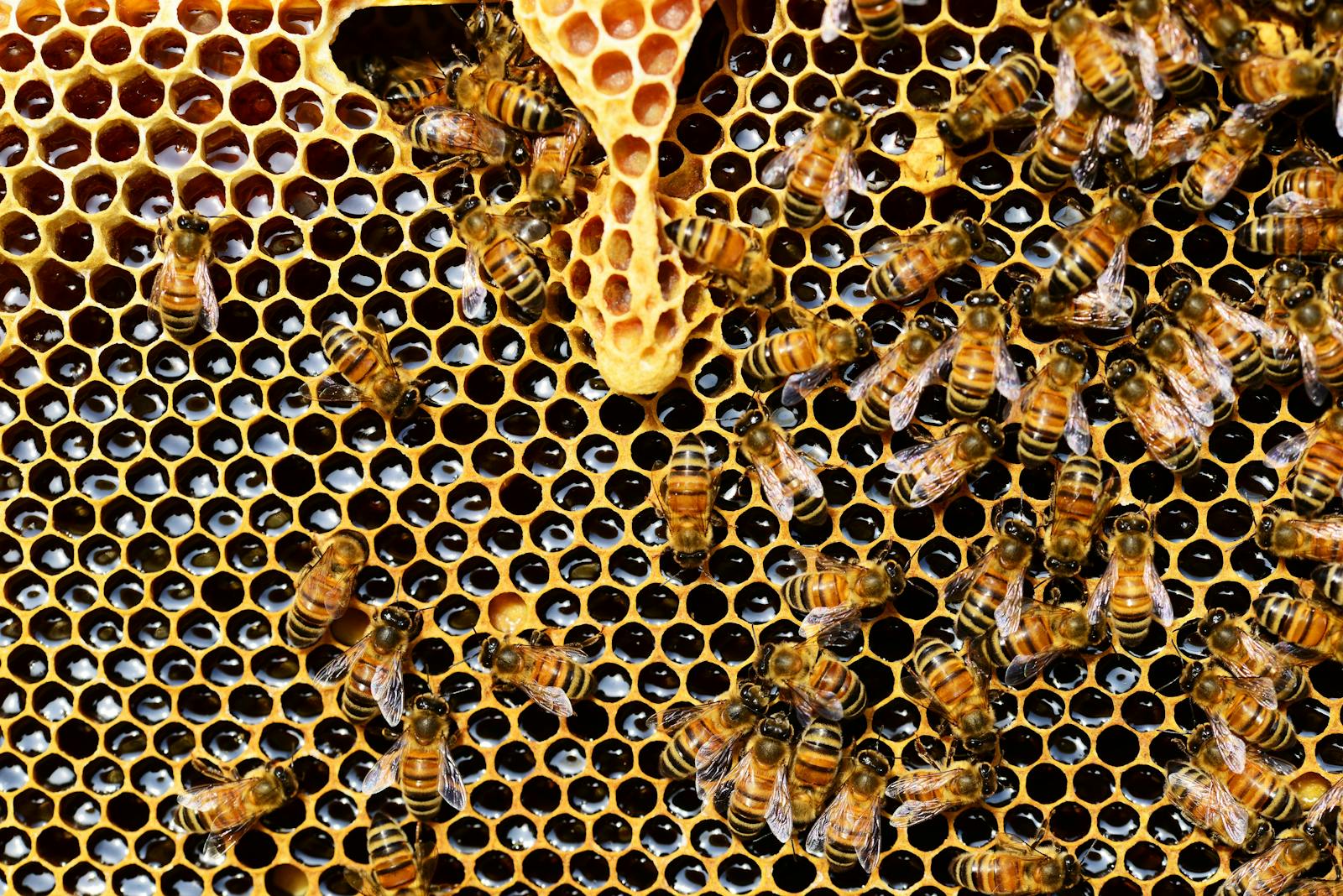
Bee venom is a complex mixture of peptides, enzymes, lipids, and bioactive amines, and growing evidence shows that it possesses a wide range of pharmacological properties. For this reason, bee venom therapy has been developed to treat various diseases, including inflammation, cancer, microbial infections, and neurodegenerative disorders.
More recently, bee venom has been used as a :
- Managing Atopic Dermatitis and Acne
- Accelerating Wound Healing
- Addressing Early Signs of Aging
- Reducing Hair Loss
1. Managing Atopic Dermatitis and Acne
For individuals with atopic dermatitis, bee venom has been studied as an alternative treatment because of its strong anti-inflammatory properties. Other conditions, such as inflammation caused by acne vulgaris triggered by Propionibacterium acnes bacteria and excess sebum production, may also be alleviated.
Bee venom exhibits significant antibacterial and anti-inflammatory activity, and studies in volunteers have shown that serums containing bee venom improved acne healing by up to 52%. It also has a low irritation potential, making it safe for long-term use.
2. Accelerating Wound Healing
In addition to its role in reducing skin inflammation, bee venom also has the ability to accelerate wound healing. Its anti-inflammatory, antimicrobial, analgesic, and antioxidant properties make bee venom a promising wound-healing agent for various conditions, including chronic wounds in individuals with diabetes.
Its mechanisms of action include increased collagen production, restoration of balanced inflammatory cytokines, enhanced antioxidant enzyme activity, and reduced mitochondrial apoptosis in cells involved in tissue regeneration. This combination helps accelerate skin regeneration and improve the quality of healed wounds.
3. Addressing Early Signs of Aging
For adults seeking to address signs of aging, bee venom has long been recognized as an effective anti-aging active ingredient. This compound has been shown to reduce wrinkle area, the number of fine lines, and wrinkle depth on facial skin.
In a clinical study involving users aged 30–49 years, the use of a serum containing 0.006% bee venom for 12 weeks demonstrated significant improvements in skin texture, making it appear smoother, firmer, and more radiant. The active compounds in bee venom stimulate collagen and elastin production, allowing the skin to look naturally younger.
4. Reducing Hair Loss
Beyond its benefits for facial skin, bee venom also shows great potential in addressing hair loss (androgenetic alopecia). This active ingredient works by inhibiting the enzyme 5α-reductase, which is a major cause of hair follicle miniaturization.
In addition, bee venom can stimulate the development of new hair follicles, increase dermal papilla cell proliferation, and inhibit the catagen phase, resulting in stronger hair that is less prone to shedding.
Purification and Standardization of Bee Venom in the Cosmetic Industry
In modern cosmetics, bee venom is considered a multifunctional ingredient with various skin-enhancing effects. However, it is important to note that the ingredient used in cosmetics is not raw bee venom.
It undergoes rigorous purification, filtration, and standardization processes to ensure that pathogenic compounds or components that may trigger harmful reactions are removed. As a result, cosmetic products containing bee venom on the market are safe to use when they comply with applicable industry standards.
The Importance of Laboratory Testing for Bee-Venom-Based Cosmetic Products
Despite its many benefits, users should still pay attention to the safety of bee venom use. Each individual’s skin responds differently, so mild irritation or sensitivity may still occur. Therefore, it is recommended to perform a patch test on a small area of skin first and discontinue use if any unwanted reactions appear.
Read more:
5 Benefits of Conducting Active Ingredient Testing for Skincare in a Testing Laboratory
The various benefits of bee venom in cosmetics, such as anti-inflammatory, anti-aging, and antibacterial properties, must be verified through laboratory testing to ensure product safety and quality. Laboratory testing plays a crucial role in evaluating toxicity, skin irritation potential, formulation stability, and the purity of bee venom as an active ingredient before it is used in cosmetic products.
IML Testing and Research provides cosmetic laboratory testing services to support the development of bee-venom-based products, from raw material testing to finished product evaluation. Using standardized testing methods and delivering accurate results, cosmetic industry players can ensure their products are safe, high-quality, and compliant with applicable regulatory requirements.
Author: Delfia
Editor: Sabilla Reza
References :
El-Wahed, A. A. A., Khalifa, S. A. M., Elashal, M. H., Musharraf, S. G., Saeed, A., Khatib, A., Tahir, H. E., Zou, X., Naggar, Y. A., Mehmood, A., Wang, K., & El-Seedi, H. R. (2021). Cosmetic Applications of Bee Venom. Toxins, 13(11), 810. https://doi.org/10.3390/toxins13110810
Pamela Rodrigues Sampaio, Antonio Vicente Peruzzo Neto, Elisa Beatriz de Oliveira John, Conrado Pedebos. 2025. Rodrigo Ligabue-Braun. From venoms to vanity: Exploring animal toxins as cosmeceuticals. Toxicon.Volume 266.