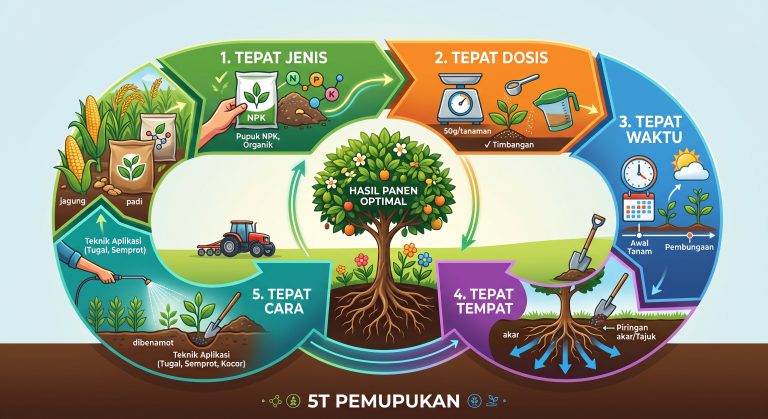
6 Common Mistakes in Fertilization and How to Avoid Them


Fertilizers are essential for maintaining soil fertility and ensuring high agricultural productivity. However, improper fertilization practices can lead to wasted resources, declining soil health, and environmental pollution. Many farmers unknowingly repeat the same mistakes, which can be avoided through better knowledge and management. This article discusses common fertilization errors and provides practical solutions to prevent them.
- Over-Application of Fertilizers
- Using the Wrong Type of Fertilizer
- Incorrect Timing of Application
- Improper Application Methods
- Neglecting Micronutrients
- Relying Solely on One Fertilizer Source
1. Over-Application of Fertilizers
Applying more fertilizer than necessary is a widespread problem. Farmers often believe that “more is better,” but excessive fertilizers, especially nitrogen and phosphorus, can harm plants, cause nutrient imbalances, and contaminate groundwater through leaching.
How to avoid it: Always follow soil test recommendations and apply fertilizers according to crop-specific nutrient requirements.
2. Using the Wrong Type of Fertilizer
Not all fertilizers are the same. Applying fertilizers that do not match the crop’s needs or soil conditions reduces efficiency. For example, using nitrogen-rich fertilizer on soils already high in nitrogen does little to improve yields but wastes resources.
How to avoid it: Select fertilizers based on soil analysis and the growth stage of the crop.
3. Incorrect Timing of Application
Fertilizing too early or too late reduces nutrient uptake. Nutrients may be lost to rain, volatilization, or remain unavailable during critical growth stages.
How to avoid it: Apply fertilizers at the right growth stage. Nitrogen should be applied during early vegetative growth, while potassium and phosphorus are critical before flowering and fruiting.
4. Improper Application Methods
Broadcasting fertilizer randomly or applying it too far from plant roots can reduce absorption efficiency. Similarly, placing fertilizers directly on seeds may damage germination.
How to avoid it: Use proper application methods such as band placement near roots, side-dressing, or foliar spraying depending on the fertilizer type.
5. Neglecting Micronutrients
Farmers often focus only on macronutrients (N, P, K) and ignore micronutrients like zinc, boron, or iron. Deficiencies in these elements, although required in smaller amounts, can significantly reduce plant health and yield.
How to avoid it: Incorporate micronutrients in fertilization plans based on soil and crop requirements.
Read more:
Why is Fertilizer Nutrient Content Lab Testing Necessary?
6. Relying Solely on One Fertilizer Source
Exclusive use of synthetic fertilizers without organic amendments depletes soil organic matter and reduces microbial activity. Over time, soil structure deteriorates, making it less fertile.
How to avoid it: Combine organic fertilizers (manure, compost) with synthetic fertilizers to balance immediate nutrient supply with long-term soil health.
Conclusion
Fertilization is both a science and an art. Avoiding mistakes such as over-application, poor timing, and ignoring soil conditions can significantly improve nutrient efficiency, crop yields, and environmental sustainability. The key lies in following the “4Rs” of nutrient stewardship: the right source, right rate, right time, and right place. By applying these principles, farmers can maximize the benefits of fertilizers while protecting soil and ecosystems for future generations.
For fertilizer manufacturers, product quality isn't just about formula, but also about proof. Laboratory testing of fertilizers helps ensure nutrient levels meet specifications, are consistent between batches, and meet applicable quality standards and regulations. With accurate test data, manufacturers can increase the trust of distributors, farmers, and business partners, while minimizing the risk of complaints in the field. Laboratory testing also provides a crucial basis for claims about product content, effectiveness, and stability. Ensure the quality of the fertilizer you produce is verified through laboratory testing before marketing with IML Research.
Author : Fachry
Editor: Sabilla Reza
References:
Fertilizers Europe. (2018). Fertilizer basics: Why we need fertilizers, where they come from, how they work, and how they are used. Brussels: Fertilizers Europe.
Maguire, R., Alley, M., & Flowers, W. (2019). Fertilizer types and calculating application rates. Virginia Cooperative Extension, Virginia Tech.
Purba, T., Situmeang, R., Rohman, H. F., Mahyati, A., Firgiyanto, R., Junaedi, A. S., … Suhastyo, A. A. (2021). Pupuk dan teknologi pemupukan. Medan: Yayasan Kita Menulis.