Itchy Scalp? It Could Be the Work of Dandruff-Causing Fungus


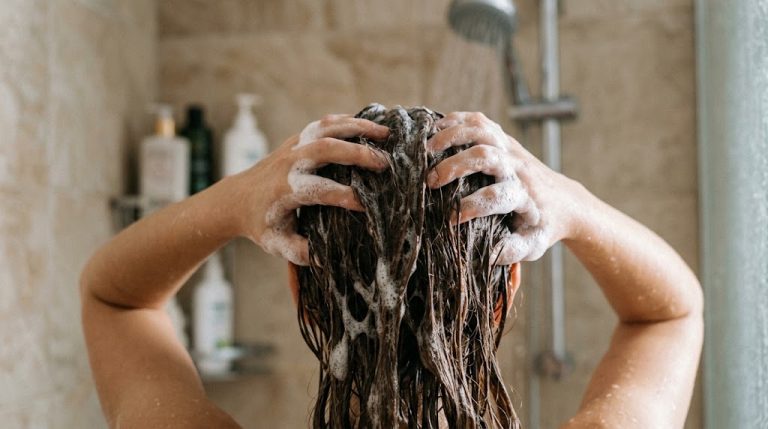
Dandruff, or pityriasis capitis, is a scalp condition characterized by the shedding of the stratum corneum layer, forming white or gray flakes. This condition is also accompanied by itching without inflammation. The cause of dandruff is the overgrowth of the fungus Malassezia sp., which is a normal flora on the scalp but can become pathogenic when the sebaceous glands are overactive, especially in humid environments such as Indonesia.
Factors that lead to excessive sebum production include sweating, wearing headscarves made from materials that do not absorb sweat well, and poor hair hygiene. Hot and humid weather can accelerate fungal growth on the skin, as can exposure to dust or pollution that sticks to the scalp. In addition to these external factors, internal factors such as excessive stress can affect the balance of androgen hormones and skin immunity, triggering more sebum production.
Based on a dandruff survey conducted among ethnic groups in the USA and China, scalp flaking was more common among African-Americans (81–95%), Caucasians (66–82%), and Chinese (30–42%).
The Fungus Behind Dandruff
Malassezia is a group of fungi that live as commensals on the skin of humans and animals, especially around hair follicles. These fungi have evolved the ability to metabolize fatty compounds in sebum, making most species lipophilic. They have been known since 1846, when Eichstedt discovered yeast and hyphae on the skin of a patient with pityriasis versicolor. Later, in 1873, Rivolta reported the presence of these fungi in dandruff. They have oval and round spores found on scalp scales in dandruff cases.
This fungus is known to cause several different diseases in humans and animals. Malassezia can cause pityriasis versicolor infections, which were first reported in newborns receiving intravenous lipid supplementation, as their growth requires lipids as a nutrient source. Other conditions linked to Malassezia include seborrhoeic dermatitis (eczema), certain forms of facial atopic dermatitis, confluent and reticulate papillomatosis, and onychomycosis. Seborrhoeic dermatitis or eczema is often accompanied by irritation under the arms and in the groin area.
Both seborrhoeic dermatitis and dandruff vary in severity. They can cause discomfort in the form of itching or irritation. Although Malassezia is a known cause of dandruff and seborrhoeic dermatitis, its exact pathogenic role in these conditions is still unclear, as there is no evidence that the fungus invades the skin; they are usually clustered around hair follicle openings.
Studies have reported that Malassezia produces the enzyme lipase, which breaks down triglycerides into oleic acid. This oleic acid can trigger flaking in individuals who are prone to dandruff.
3 Ways to Eliminate the Dandruff-Causing Fungus
There are three steps that can be taken to address Malassezia:
- Break down the Malassezia biofilm layer using ingredients such as apple cider vinegar, selenium sulfide, colloidal silver, tea tree oil, rosemary, peppermint, lavender, and cinnamon.
- Once the biofilm is weakened or removed, use products containing antifungal ingredients such as ketoconazole, coal tar, and pyrithione zinc.
- Soothe the scalp to support the skin microbiome by using MCT oil, aloe vera, urea, sorbitol, hyaluronic acid, and squalane oil. Avoid olive oil and coconut oil, as they can accelerate Malassezia growth.
Dandruff is not merely a cosmetic issue but also a reflection of the balance of the scalp’s ecosystem. Malassezia, which is naturally present on the skin, can disrupt scalp health when environmental conditions favor its excessive growth. A good understanding of the causes, triggers, and mechanisms of this fungus is an important first step in choosing the right treatment.
With regular care, appropriate product selection, and maintaining scalp cleanliness and health, dandruff can be controlled, preserving both confidence and daily comfort. Interestingly, many hair and scalp care products claim to suppress Malassezia growth and soothe the scalp. However, the effectiveness of each active ingredient and the concentration used vary across formulations, making laboratory testing a crucial step before a product is marketed.
Want to ensure your product truly works as claimed? IML Research provides antifungal testing, active ingredient effectiveness testing, and skin irritation testing to help you scientifically assess product performance. Contact us to initiate lab testing and ensure your product is safe, effective, and ready to compete in the market.
Author: Safira
Editor: Sabilla Reza
References:
Dermazen. (n.d.). Malassezia biofilm: What it is and how to treat it. Dermazen. Retrieved August 13, 2025, from https://dermazen.co/blogs/news/malassezia-biofilm-what-it-is-and-how-to-treat-it
Hay, R. J. (2011). Malassezia, dandruff and seborrhoeic dermatitis: An overview. British Journal of Dermatology, 165(Suppl. 2), 2–8. https://doi.org/10.1111/j.1365-2133.2011.10570.x
Muchtar, R., Noor, R., & Arsyad, M. (2024). Isolasi jamur penyebab ketombe pada mahasiswi Politeknik Kesehatan Muhammadiyah Makassar. Media Analis Kesehatan, 15(2), 165–174. https://doi.org/10.32382/mak.v15i2.703