What Are Seeds? Definition, Function, and Importance of Seed Quality Laboratory Testing in Agriculture

Seeds are the foundation of global agriculture and the starting point of every crop production system. A single seed carries the genetic potential of a plant and represents the outcome of years of evolution, selection, and breeding. Understanding what a seed is and how it functions is essential to developing sustainable agricultural practices and improving food security worldwide.
- Definition of a Seed
- The Structure of a Seed
- Seed Quality and Its Importance
- The Role of Seeds in Agriculture
- The Function of Seeds in Crop Development
- The Science and Technology of Seeds
Definition of a Seed
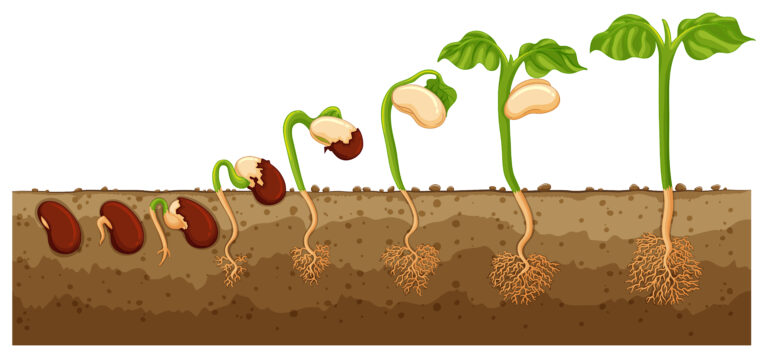
A seed is a mature fertilized ovule that contains an embryo, a nutrient storage tissue, and a protective seed coat. It serves as the reproductive unit of seed-bearing plants (spermatophytes), allowing species to propagate and survive under diverse environmental conditions. Scientifically, the seed is formed after the fertilization process, where the male gamete fuses with the female gamete within the ovule, forming an embryo capable of developing into a new plant under favorable conditions.
According to Nazara et al. (2024) in Ilmu dan Teknologi Benih, a seed is not merely a physical entity but a biological system that ensures the genetic continuity and adaptability of plant species. It embodies physiological, physical, genetic, and pathological qualities that determine its viability and vigor.
The Structure of a Seed
A typical seed consists of three main parts:
- Embryo – The living part of the seed that develops into a new plant.
- Endosperm or Cotyledon – The nutrient storage tissue that provides energy for germination and early growth.
- Seed Coat (Testa) – The outer protective layer that shields the embryo from mechanical injury, water loss, and pathogen invasion.
The quality of these components directly influences the success of germination and seedling establishment.
Seed Quality and Its Importance
Seed quality is a crucial factor determining crop productivity. High-quality seeds ensure uniform germination, healthy seedlings, and strong resistance to pests and diseases. As described by Nazara et al. (2024), seed quality encompasses four main attributes:
- Physiological quality – related to germination ability and vigor.
- Physical quality – includes seed size, purity, and absence of contaminants.
- Genetic quality – refers to the true-to-type characteristics of the plant variety.
- Pathological quality – ensures the seed is free from pathogens that may harm crops.
Using certified and high-quality seeds is the first step toward achieving optimal agricultural productivity.
The Role of Seeds in Agriculture
Seeds are not only planting materials but also a vehicle for technological innovation in agriculture. Modern seed development integrates genetic improvement, biotechnology, and seed treatment technologies to increase productivity and resilience against biotic and abiotic stress.
High-quality seeds contribute to:
- Improved crop yields, by ensuring uniform and vigorous growth.
- Reduced production risks, as seeds with better genetics resist pests and drought.
- Efficient input use, because healthy seedlings absorb nutrients and water more effectively.
- Sustainability, through varieties adapted to local climates and reduced chemical dependency.
Seeds also play an economic role, forming the backbone of the seed industry and supporting rural development through seed production enterprises.
The Function of Seeds in Crop Development
Seeds serve as the bridge between plant generations, ensuring genetic continuity. They perform multiple biological and agronomic functions:
- Reproduction – ensuring the propagation of plant species.
- Genetic Transmission – carrying genetic traits from parent to offspring.
- Storage and Dormancy – allowing plants to survive unfavorable environmental conditions until germination is possible.
- Dispersal – enabling the spread of plant species across ecosystems.
From a farming perspective, seeds determine the success or failure of a growing season. Farmers who use low-quality seeds risk poor germination, uneven stands, and low yields.
The Science and Technology of Seeds
Seed science involves studying seed physiology, genetics, pathology, and production techniques. The field of seed technology aims to maintain seed quality through testing, certification, and preservation. Institutions such as the National Seed Agency and certified seed companies play vital roles in ensuring the production and distribution of quality seeds.
According to Panggabean (2020) in Teknologi Benih, effective seed management includes careful selection of parent plants, controlled pollination, post-harvest handling, storage, and quality testing. Each stage is critical to preserving the physiological and genetic integrity of seeds before they reach farmers.
Conclusion
Seeds represent the very beginning of agricultural life. They are not merely planting materials but a combination of biology, technology, and human knowledge aimed at ensuring food security and sustainability. High-quality seeds contribute directly to productivity, resilience, and the long-term health of agricultural ecosystems. As agriculture continues to evolve, understanding and managing seeds wisely remain the cornerstone of sustainable food production.
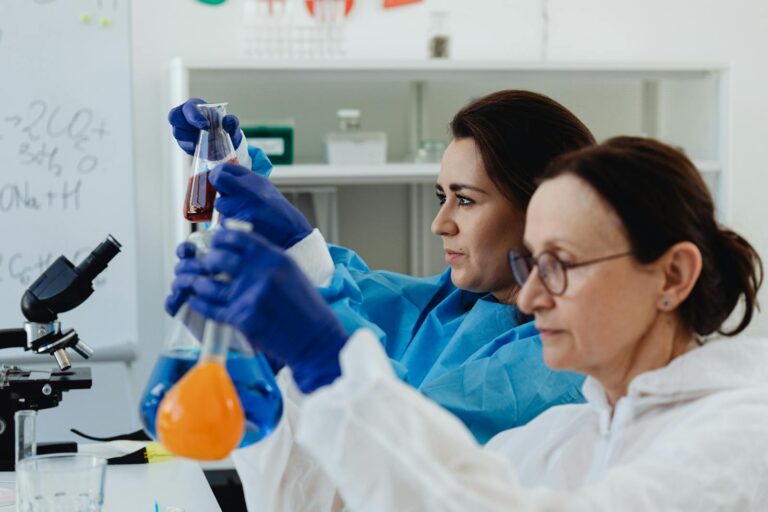
For seed producers, seed quality needs to be scientifically proven through standardized seed quality laboratory tests. Seed quality laboratory tests are a crucial step in assessing germination, vigor, physical purity, genetic suitability, and potential pathogen contamination before seeds are distributed to the market. Through IML Research's seed quality laboratory testing services, producers can obtain comprehensive, accurate, and reliable test data as a basis for quality control and strengthening consumer confidence. If you want to ensure seed quality meets standards and is ready for use in the field, consulting with IML Research about seed quality laboratory testing can be a strategic next step.
Author: Fachry
Editor: Sabilla Reza
References:
Lesilolo, M. K. (2013). Dasar-dasar Ilmu dan Teknologi Benih. Jurnal Agrologia, 2(1), 1–7.
Sadjad, S. (1994). Ilmu Benih. Jakarta: PT Raja Grafindo Persada.
Nazara, R. V., Harefa, K. S. E., Dewi, A. P. N., Ninasari, A., Arini, N., Syafi, S., Murrinie, E. D., et al. (2024). Ilmu dan Teknologi Benih. Padang: CV Hei Publishing Indonesia.
Panggabean, E. L. (2020). Teknologi Benih. Medan: Universitas Sumatera Utara Press.