Vitamin C in Skincare and the Role of Laboratory Testing for Contract Manufacturing

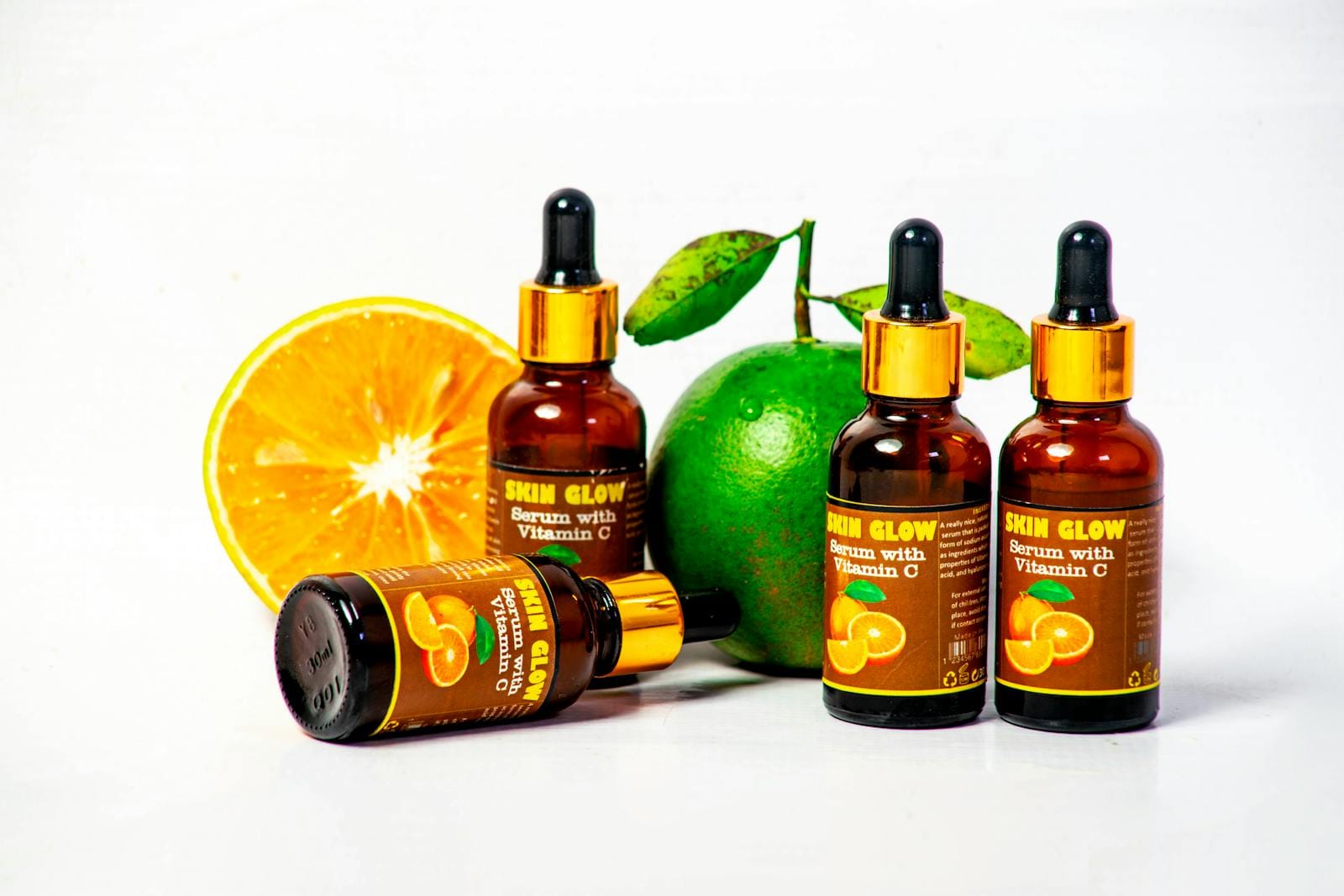
Dull skin is a common concern experienced by both teenagers and adults. This condition occurs when the skin surface appears lackluster, uneven, and tired.
One of the main causes is the buildup of dead skin cells that are not properly removed. In addition, dirt, dust, and excess oil that adhere to the skin surface can block the skin’s natural radiance, making it appear darker and dull.
External factors such as sun exposure, pollution, and an unhealthy lifestyle further worsen the appearance of the skin, causing it to lose its natural glow.
- Understanding Vitamin C as a Popular Active Ingredient in Skincare
- Benefits of Vitamin C for the Skin
- How Vitamin C Works in Skin Regeneration
- What Is the Right Vitamin C Percentage and How Often Should It Be Used?
- The Role of Laboratory Testing in Ensuring the Safety and Effectiveness of Vitamin C
Understanding Vitamin C as a Popular Active Ingredient in Skincare
One of the most popular active ingredients proven to help address dull skin is vitamin C. Vitamin C comes from various natural sources, especially fruits such as oranges, lemons, kiwis, strawberries, and vegetables like bell peppers or broccoli.
In the skincare industry, vitamin C is processed into various derivative forms such as ascorbic acid, sodium ascorbyl phosphate, or magnesium ascorbyl phosphate. These forms are then formulated into serums, toners, and moisturizers to improve stability and skin absorption.
Benefits of Vitamin C for the Skin
The main benefit of vitamin C in skincare is its strong antioxidant activity. Antioxidants work by combating free radicals, which are unstable molecules that damage skin cells due to UV exposure, pollution, and environmental stress.
When free radicals accumulate, the skin loses elasticity, appears more tired, and experiences slower regeneration, leading to dullness. With vitamin C, the skin receives additional protection, allowing it to repair itself more effectively.
In addition to brightening dull skin, vitamin C is also well known for its effectiveness in reducing dark spots or hyperpigmentation. Dark spots form when pigment-producing cells (melanocytes) become overactive, whether due to acne scars, sun exposure, or aging.
Vitamin C helps inhibit the enzyme tyrosinase, which plays a key role in melanin production. When this enzyme’s activity is suppressed, excessive pigment production can be reduced. As a result, dark spots gradually fade, skin tone becomes more even, and the skin appears brighter.
How Vitamin C Works in Skin Regeneration
From a mechanistic perspective, vitamin C also supports collagen formation, a protein that keeps the skin firm and smooth. Natural collagen synthesis decreases with age, causing the skin to look dull and fatigued more easily.
Vitamin C acts as an important cofactor in collagen synthesis, helping repair skin tissue, reduce the appearance of fine lines, and give the skin a healthier look. In addition, vitamin C has a mild exfoliating effect that helps remove dead skin cells from the surface.
The combination of these mechanisms makes vitamin C a leading active ingredient for addressing dull skin and hyperpigmentation.
What Is the Right Vitamin C Percentage and How Often Should It Be Used?
However, the effectiveness of vitamin C in skincare is not determined solely by its natural benefits. The concentration of the active ingredient plays a major role in determining how well a product performs.
For example, ascorbic acid is generally effective at concentrations of around 10–20%, while concentrations that are too high may cause irritation for some individuals. Products using vitamin C derivatives may require different concentrations to achieve similar results.
In addition to concentration, frequency of use is also important. Consistent use, either in the morning or at night, provides more optimal results compared to occasional application.
The Role of Laboratory Testing in Ensuring the Safety and Effectiveness of Vitamin C
It is important to note that the concentration of active ingredients in a product cannot be determined arbitrarily. Skincare manufacturers need to conduct laboratory testing to ensure that the vitamin C content used is safe, stable, and effective.
These tests also confirm that the product does not oxidize easily or trigger reactions that could potentially damage the skin. Without proper testing, claims regarding concentration or product effectiveness may be inaccurate, ultimately harming consumers.
With an understanding of the causes of dull skin, the benefits of vitamin C, and its mechanisms of action, we can make more informed decisions when choosing the right skincare products. Vitamin C is one of the proven ingredients that helps restore brighter, more even, and healthy-looking skin.
It is important to ensure that such products contain the correct concentration and have undergone adequate laboratory testing. For cosmetic contract manufacturing companies, the challenge lies not only in creating effective formulations, but also in maintaining consistent quality when producing products in large volumes.
Vitamin C that is not properly tested may experience reduced stability, oxidation, or variations in concentration between production batches. Therefore, laboratory testing plays a crucial role in ensuring that every product manufactured by a contract manufacturer remains safe, stable, and compliant with product claims, even at mass production scale.
If you are a cosmetic contract manufacturer or a brand owner producing skincare products in large volumes, make sure that the skincare products you intend to market have undergone proper laboratory testing. IML Testing and Research provides cosmetic laboratory testing services to support the needs of contract manufacturers in maintaining consistent vitamin C levels, product safety, and regulatory compliance.
Build trust with clients and consumers through accurate and reliable test results with IML Testing and Research.
Author: Delfia
Editor: Sabilla Reza
References:
Al-Niaimi, F., & Chiang, N. Y. Z. (2017). Topical Vitamin C and the Skin: Mechanisms of Action and Clinical Applications. The Journal of clinical and aesthetic dermatology, 10(7), 14–17.
Pullar, J., Carr, A., & Vissers, M. (2017). The roles of vitamin C in skin health. Nutrients, 9(8), 866. https://doi.org/10.3390/nu9080866