Microbial Contamination in Cosmetics: Everyday Habits That Quietly Increase Risk, Stop Ignoring it!

These days, cosmetic products have become a regular part of many people’s daily routines, from skincare to enhancing their overall appearance. However, some commonly accepted habits actually come with hidden risks to skin health.
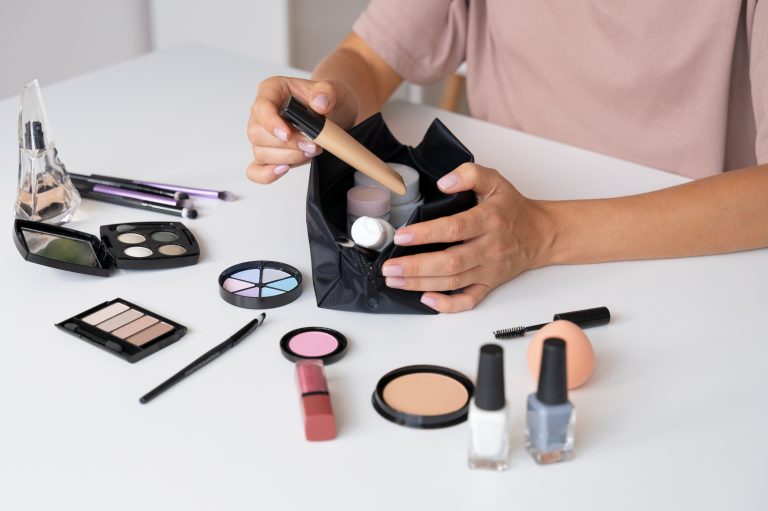
Many people don’t realize that the way cosmetic products are used and stored can increase the chances of microbial contamination. Practices such as sharing products, continuing to use cosmetics past their expiration date, or neglecting to clean application tools are often seen as harmless, even though they can lead to serious consequences.
This article explores two closely related issues: consumer habits that may contribute to cosmetic contamination and practical ways to prevent it. With better awareness, consumers can make smarter choices when using cosmetics, ensuring they remain safe and effective over time.
Table of Content :
- Consumer Habits That Increase the Risk of Microbial Contamination in Cosmetics.
- Keeping Cosmetics Safe: Behind the Scenes Efforts by Manufacturers.
- Beware of Invisible Contamination
Consumer Habits That Increase the Risk of Microbial Contamination in Cosmetics.
Everyday habits in how consumers use cosmetic products play a major role in microbial growth within those products. These issues are not caused by formulation problems alone, but are often made worse by how cosmetics are used and stored on a daily basis.
Sharing cosmetic products is a common habit that often goes unnoticed. Studies show that products used by multiple people such as cosmetics in beauty salons or in store testers carry a high risk of bacterial and fungal contamination due to repeated contact with different users. This frequent exposure significantly increases contamination factors, allowing microbial contamination growth to exceed safe limits.
Another widespread habit is continuing to use cosmetic products after their expiration date. Delaying disposal, economic considerations, and a lack of education about health risks cause many consumers to keep using old products even though their safety has already declined.
Storing cosmetics in the bathroom can further worsen the situation. High humidity and exposure to steam from hot water create ideal conditions for microorganisms to grow and thrive inside cosmetic products.
Hygiene during application is also a critical issue. Makeup tools that are rarely cleaned and the use of products under unhygienic conditions can accelerate the spread of microbial contamination into cosmetic formulations.
Interestingly, many consumers continue using contaminated or expired products even when their bodies show reactions. Symptoms such as a runny nose or sudden breakouts are often ignored and not linked to the cosmetics being used.
In fact, continuing to use problematic cosmetic products can lead to more serious long term health effects. Therefore, raising consumer awareness about hygiene, product shelf life, and early signs of skin reactions is essential to ensure the safe use of cosmetics.
Read Also :
Stop Using Expired Cosmetics: The Hidden Risks to Your Skin
Keeping Cosmetics Safe: Behind the Scenes Efforts by Manufacturers.
Microbial contamination is a major challenge for the cosmetic industry because it can lead to serious losses. Its impact may include product recalls, which can damage brand reputation and reduce consumer trust. For this reason, strict hygiene standards and quality control during production are essential.
From the user’s perspective, microbial contamination is often more difficult because it happens outside a controlled manufacturing environment. Several factors can help reduce the risk of contamination from the formulation stage through to consumer use, with manufacturers typically relying on preservation systems within the product.
Choosing the right type of preservative requires careful consideration of toxicological safety, antimicrobial effectiveness, formulation stability, and regulatory compliance, all of which are evaluated through challenge testing. As technology advances, new strategies such as microencapsulation and the combination of natural preservatives continue to be developed to ensure products remain safe, effective, and skin and eco friendly.
Natural phenolic compounds are widely used as biopreservatives to extend the shelf life of cosmetic products. While these ingredients are considered more naturally derived, their effectiveness and safety are often compared with synthetic preservatives, which generally offer more stable and consistent antimicrobial performance.
To minimize contamination risks during use, packaging design plays a crucial role. Packaging types such as pump bottles, aerosols, airless pumps, and single use applicators provide physical protection against contamination. Nevertheless, technical limitations such as particle size constraints and the potential growth of anaerobic microorganisms must still be addressed through ongoing testing and continuous development of preservation systems.
Beware of Invisible Contamination.
Don’t underestimate small habits in your cosmetic usage. Microbial contamination can occur without you realizing it and may pose risks to both skin health and product quality. Ensure your product safety through proper microbiological testing. Consult your testing needs with IML Testing and Research to keep your products safe, hygienic, and trusted by consumers.
Author: Dherika
Editor : Alphi
References
Andre, A., Debande, L., & Marteyn, B. (2021). The Selective Advantage of Facultative Anaerobes Relies on Their Unique Ability to Cope with Changing Oxygen Levels During Infection. Cell Microbiol, 23, e13338.
da Silva, J.D., Silva, F.A.M., & Rodrigues, C.F. (2025). Microbial Contamination in Cosmetic Products. Cosmetics, 12(198), 1-19.