Expired Perfume: Why Can Microbes Ruin Your Favorite Scent?


Perfume is a cosmetic product that gives someone their personal identity through a distinctive scent. Many people believe perfume can last a long time because it contains alcohol as its main component, which functions both as a solvent and a natural preservative. However, perfumes can actually expire sooner than expected due to environmental factors and microbial contamination.
Environmental conditions such as high humidity (since perfumes often contain significant amounts of water) and their organic composition pose challenges for perfume storage and longevity. Fragrances are highly vulnerable to microbial proliferation, which leads to the deterioration of the perfume itself. Microbial damage is the most common issue, typically caused by bacteria, yeasts, and molds.
Contamination occurs when microbes enter the product due to improper storage conditions, handling, and unhygienic packaging. Understanding the mechanisms of perfume spoilage caused by microbial contamination is crucial, as it directly relates to skin health. Therefore, this article discusses the causes, impacts, and preventive measures to maintain perfume quality.
How Can Perfume Become Contaminated by Microbes?
Perfume has a relatively high water content, making it prone to microbial contamination. It's raw materials, such as water, organic compounds for fragrance, essential oils, and natural extracts, may not always undergo sterilization. If the alcohol content is not strong enough to kill microbes, they can persist from the production stage through to consumer use.
Although most perfumes are alcohol-based, some formulations include aromatic compounds dissolved in solvents that contain water, or raw materials that carry moisture. This moisture enables microbial growth, and studies identify high water activity as a major risk factor. Once the bottle is opened, perfumes are exposed to air, which can introduce microbial particles.
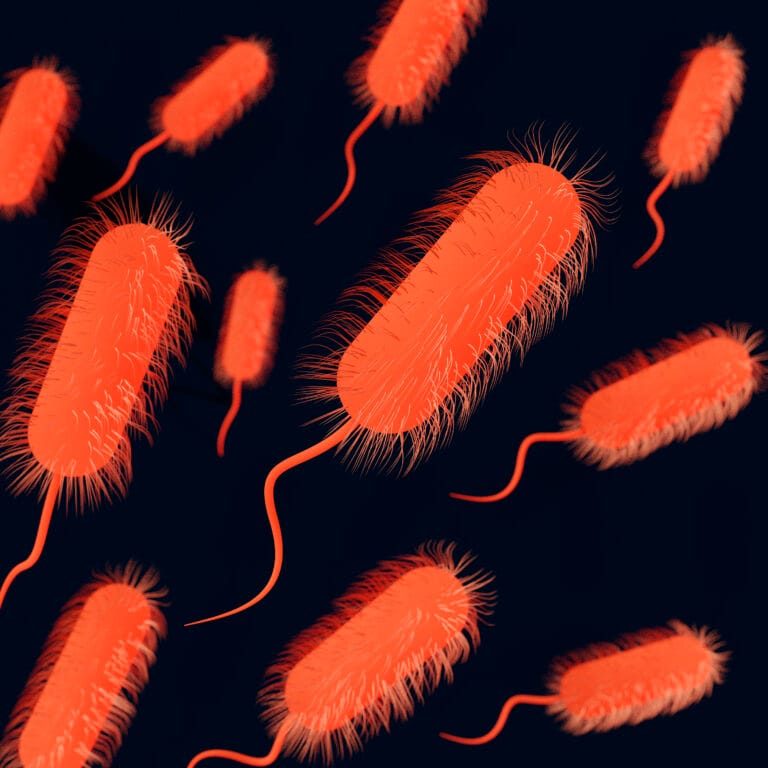
Spray and rollerball perfumes that come into contact with the skin can also contaminate the product. Improper storage further accelerates expiration: for example, exposure to direct sunlight can degrade perfume compounds, reduce the effectiveness of solvents and preservatives, and create conditions favorable for microbial growth. Heat and light also accelerate oxidation, generating by-products that microbes can use as nutrients. Common microbes found in contaminated perfumes include Pseudomonas aeruginosa, Candida albicans, and Aspergillus species.
Steps to Prevent Contamination in Perfume Products
Microbiological contamination in cosmetics often leads to costly product recalls and serious health risks for consumers. Maintaining strict hygiene and quality control is therefore essential, especially to protect vulnerable populations such as children, the elderly, and immunosuppressed individuals. To minimize microbial spoilage, products should be formulated and stored under safe conditions.
Some key parameters include: pH levels hostile to microbial growth (< 3 or > 10), alcohol content above 20% for antimicrobial action, filling temperatures above 65°C, water activity at or below 0.75, high organic solvent content, and hydrogen peroxide concentrations above 3% to inhibit bacterial growth. The selection of preservatives also requires careful consideration of toxicological safety, antimicrobial efficacy, formulation compatibility, chemical stability, regulatory compliance, and environmental impact.
Advanced preservation strategies are being developed, such as combining multiple natural preservatives with complementary mechanisms to broaden antimicrobial coverage while reducing the concentration of each preservative, thereby minimizing toxicity and skin irritation. Perfume, long considered a product with a long shelf life, is not completely free from microbial risks. Such contamination can alter the scent and color of the product, as well as pose potential health hazards to users.
For the industry, it is not enough to ensure perfumes are fragrant and long-lasting—hygiene standards, microbiological testing, and innovative preservative use must also be prioritized. Ultimately, both consumers and manufacturers share responsibility for ensuring that perfumes remain not only pleasant but also safe to use.
Ensure the perfume you produce is not only superior in aroma, but also safe and consistent in formulation. In addition to microbiological testing, conduct concentration testing to ensure the alcohol, preservative, and other essential components meet product specifications and claims. Comprehensive laboratory testing helps prevent quality degradation, regulatory non-compliance, and the risk of batch recalls. It's time for the perfume industry to strengthen quality control through accurate microbiological and concentration testing to protect consumers and maintain trust in your brand.
Author: Safira
Editor: Sabilla Reza
Reference:
da Silva, J. D., Silva, F. A. M., & Rodrigues, C. F. (2025). Microbial contamination in cosmetic products. Cosmetics, 12(5), 198. https://doi.org/10.3390/cosmetics12050198
Feng, Y., Zhang, T., Yang, J., Liu, W., Yang, Y., Huang, J., Huang, S., Yang, Z., Liu, Q., Zheng, W., & Zhou, Q. (2025). Characterization of microbial communities in flavors and fragrances during storage. Frontiers in Microbiology, 16, 1516594. https://doi.org/10.3389/fmicb.2025.1516594