Do Cosmetics Contain Preservatives? Facts You Might Not Know!


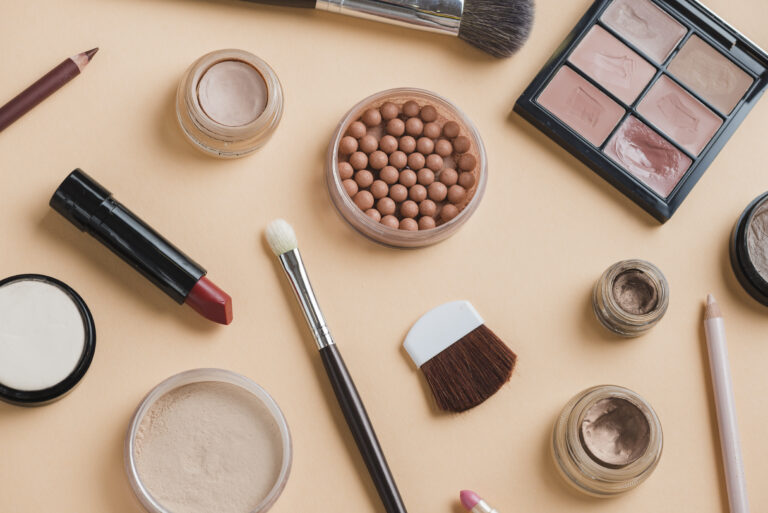
The global cosmetics market has been steadily growing year by year, with an estimated annual growth rate of 6.4%. With the increasing demand for cosmetics, it is crucial to develop formulations capable of controlling toxic compounds and microbial growth in these products. Microbial or chemical contamination in cosmetics poses significant risks to consumers, particularly due to the presence of substances that are prohibited or restricted under current cosmetic regulations.
Microbial Contamination in Cosmetic Products
All products, including cosmetics containing water and organic or inorganic compounds, are susceptible to microbial contamination. The presence of microorganisms often results in product recalls and extended production cycles. Commonly identified microorganisms include Pseudomonas aeruginosa, Klebsiella oxytoca, Staphylococcus aureus, Escherichia coli, and Serratia marcescens, as well as various other bacteria, yeasts, and fungi. While human skin has a natural defense mechanism against microorganisms, contaminants in cosmetic products can increase the risk of microbial infections on the skin.
Preventing Microbial Contamination in Cosmetic Products
Microbial contamination can occur at two stages: during production (primary contamination) or during consumer use (secondary contamination). Primary contamination can arise from raw materials, manufacturing processes, or packaging, while secondary contamination is typically caused by inadequate preservation or improper handling by consumers.
To mitigate microbial contamination, antimicrobial preservatives are incorporated into cosmetic formulations. These preservatives inhibit the growth of microorganisms, preventing product spoilage caused by bacterial or fungal enzyme activity. Spoilage may result in undesirable changes such as a slimy texture, discoloration, rancid odors, and loss of product functionality. An ideal preservative should have broad-spectrum antimicrobial activity, maintain effectiveness beyond the product's shelf life, prevent microbial adaptation and resistance, and protect the product both in its sealed packaging and during its usage.
Strategies to prevent microbial contamination
Various strategies are employed to prevent microbial contamination without compromising product properties. In the cosmetics industry, preservation strategies are categorized into primary and secondary approaches. Primary preservation refers to measures taken during the production process, emphasizing adherence to Good Manufacturing Practices (GMP). Secondary preservation involves the application of chemical, physical, or physicochemical methods post-production.

Types of preservatives
Chemical preservatives can be synthetic or natural. Synthetic chemical preservatives must fulfill three essential criteria: high antimicrobial efficacy, non-toxicity, and compatibility with other ingredients in the cosmetic formulation. On the other hand, natural preservatives, often derived from plant extracts and essential oils, are popular for their additional benefits, such as antioxidant, anti-inflammatory, antimicrobial, emollient, coloring, wound-healing, and anti-aging properties. However, the effectiveness of natural preservatives as antimicrobials is often limited due to factors like reduced activity in solutions, pH dependence, volatility, lipophilic nature (in the case of essential oils), and strong odors, which may be unsuitable for certain products.
Between synthetic and natural preservatives, synthetic options such as parabens and formaldehyde have traditionally been more effective in inhibiting microbial growth. However, safety concerns regarding parabens and formaldehyde have raised consumer apprehension. Natural preservatives, while perceived as safer, often require supplementation with other preservation methods to achieve effective antimicrobial protection. One such approach is the “Hurdle Technology,” which combines natural and synthetic preservatives to optimize efficacy and safety.
Are you sure your cosmetic products are safe from microbial contamination?
The presence of microbes in cosmetic products can pose serious risks, both to consumers and your business. Microbial contamination can not only damage product quality, but also potentially cause product recalls from the market, which of course will be detrimental financially and reputationally. Don't let this happen to your products! Do microbial contamination testing at IML Research now. With cutting-edge technology and a team of experienced experts, we are ready to help ensure that skincare, makeup, body care, and other cosmetic products are safe to use, comply with regulatory standards, and are free from the risk of microbial contamination.
Contact us today for more information and ensure that your cosmetic products remain superior in the market!
Wait for other interesting articles only here, for deeper insights into the world of cosmetics and product preservation!
Author: Safira, Editor: Sabilla
References:
Cosmetics.specialchem.com. 2024. The Ultimate Guide to Cosmetic Preservative Selection. Available at: https://cosmetics.specialchem.com/selection-guide/preservatives-for-cosmetic-formulations, accessed on 6th December 2024.
Halla, N., Fernandes, I. P., Heleno, S. A., Costa, P., Boucherit-Otmani, Z., Boucherit, K., Rodrigues, A. E., Ferreira, I. C. F. R., & Barreiro, M. F. (2018). Cosmetics Preservation: A Review on Present Strategies. Molecules, 23(7), 1571. https://doi.org/10.3390/molecules23071571.