Cost Effective Fertilizers for Smallholder Farmers: Strategies and Implementation

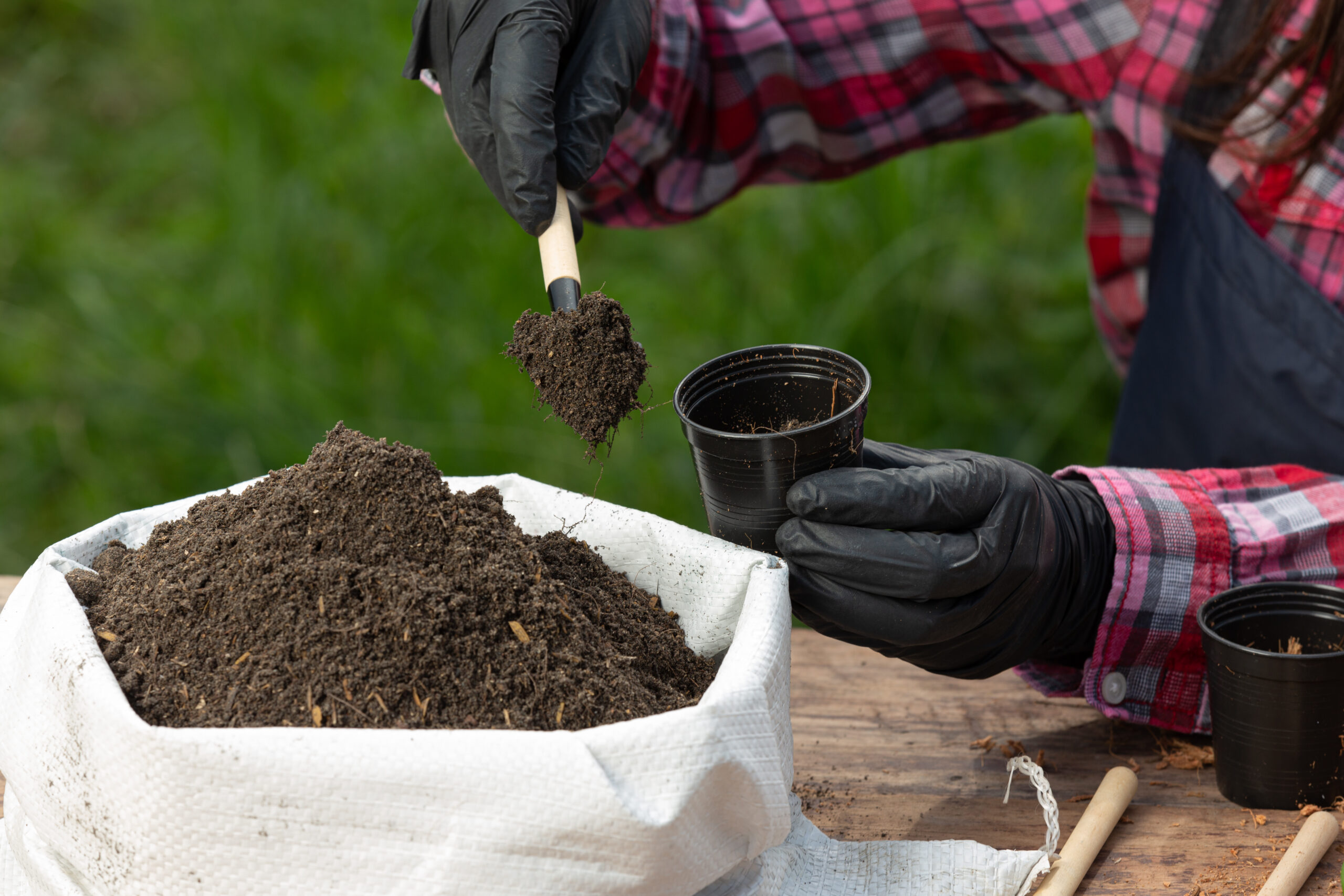
Smallholder farmers are essential to food production, especially in developing regions. However, they often operate with limited capital, small land areas, and fluctuating input prices.
Fertilizers are necessary to maintain soil fertility and increase yields, but rising costs can significantly reduce farm profits. For this reason, the focus should not only be on increasing fertilizer use, but on using fertilizers efficiently and economically.
Cost effective fertilizer management means applying the right nutrients in the right way so that farmers obtain the highest possible return from every unit of fertilizer used. With proper strategies and careful implementation, smallholder farmers can reduce expenses while maintaining or even improving crop productivity.
Read also :
Effective Fertilization Strategies for Palawija Crops to Boost Productivity
Table of Content :
- Understanding Soil Needs
- Combining Organic and Chemical Fertilizers
- Selecting Fertilizers Based on Nutrient Content
- Applying the Right Amount at the Right Time
- Improving Application Methods
- Using Crop Rotation and Legumes
- Reducing Costs Through Cooperation
- Monitoring and Evaluation
- Conclusion
- Ensure The Fertilizers Used Truly Deliver Optimal Results in The Field
Understanding Soil Needs
The first step in saving fertilizer costs is understanding soil conditions. Many farmers apply fertilizers based on habit or general recommendations rather than actual soil needs. This can lead to unnecessary spending.
For example, applying phosphorus fertilizer to soil that already contains sufficient phosphorus will not significantly increase yields, but it will increase production costs. Basic soil testing, even if conducted through local extension services, helps farmers identify nutrient deficiencies.
When soil testing is not available, farmers can observe crop symptoms and consult agricultural advisors. Knowing which nutrients are lacking allows farmers to apply only what is necessary, avoiding waste and improving efficiency.
Combining Organic and Chemical Fertilizers
One of the most practical strategies for smallholder farmers is integrating organic and chemical fertilizers. Organic materials such as compost, animal manure, green manure, and crop residues improve soil structure and increase organic matter.
Healthy soil retains nutrients and water more effectively, reducing the need for large amounts of chemical fertilizers. Although organic fertilizers contain lower nutrient concentrations, they improve long term soil fertility.
When combined with smaller amounts of inorganic fertilizers, this approach can reduce total fertilizer costs while maintaining stable yields. Over time, better soil health leads to more sustainable production and lower dependency on expensive external inputs.
Selecting Fertilizers Based on Nutrient Content
Farmers often compare fertilizers based only on price per bag. However, a more accurate approach is to compare cost per unit of nutrient. For example, urea contains a high percentage of nitrogen.
Even if its price per bag seems higher, the cost per kilogram of nitrogen may be lower than other nitrogen sources. Choosing fertilizers based on nutrient concentration helps farmers avoid paying for unnecessary fillers.
In addition, balanced fertilizers should match crop requirements. If crops require mainly nitrogen, buying a complete NPK fertilizer with high phosphorus and potassium may not be cost efficient. Careful selection ensures that farmers invest only in nutrients that crops truly need.
Applying the Right Amount at the Right Time
Applying excessive fertilizer does not always increase yield. In fact, over application can damage crops, reduce soil quality, and increase production costs. Smallholder farmers benefit from calculating realistic yield targets and applying fertilizer accordingly.
Splitting fertilizer applications, especially nitrogen, is another effective strategy. Instead of applying all nitrogen at planting, farmers can apply part at planting and the rest during early growth stages.
This improves nutrient uptake and reduces losses from leaching or volatilization. As a result, smaller quantities can produce better results. Timing is also important.
Fertilizers should be applied when crops actively absorb nutrients. Proper timing increases efficiency and reduces waste, making fertilizer use more economical.
Improving Application Methods
Application technique strongly influences fertilizer efficiency. Broadcasting fertilizer across the entire field may lead to uneven distribution and nutrient loss.
More targeted placement, such as applying fertilizer near plant roots, improves nutrient absorption and reduces the required amount. Smallholder farmers can improve precision using simple measurement tools.
Even basic methods, such as using marked containers for consistent dosing, can prevent over application. Careful placement ensures that nutrients are used by crops rather than lost to the environment.
Using Crop Rotation and Legumes
Crop rotation is a natural and cost saving strategy. Including leguminous crops such as beans or peanuts in the rotation helps increase soil nitrogen levels through biological nitrogen fixation.
After harvesting legumes, the following crop can benefit from residual nitrogen in the soil. This practice reduces the need for synthetic nitrogen fertilizers and lowers input costs.
In addition to improving soil fertility, crop rotation also helps manage pests and diseases, contributing to overall farm sustainability.
Reducing Costs Through Cooperation
Smallholder farmers can further reduce fertilizer expenses by working together. Purchasing fertilizers collectively through cooperatives often allows farmers to obtain lower prices and reduce transportation costs.
Accessing government support programs or input subsidies can also ease financial pressure. However, even when subsidies are available, efficient fertilizer use remains essential to ensure that benefits translate into higher profits rather than unnecessary application.
Monitoring and Evaluation
Cost effective fertilizer management requires continuous observation. Farmers should monitor crop growth, note signs of nutrient deficiencies, and compare yields with input costs.
Keeping simple records of fertilizer type, application rate, and harvest results helps identify the most profitable practices over time. By evaluating results each season, farmers can gradually refine their fertilizer strategies.
Small improvements in efficiency can significantly increase profitability, especially for farmers working with limited resources.
Conclusion
Cost effective fertilizer use for smallholder farmers is not about reducing inputs blindly, but about improving efficiency. Understanding soil needs, integrating organic and inorganic sources, selecting fertilizers based on nutrient content, applying the correct rates at appropriate times, improving application methods, and practicing crop rotation are key strategies.
Through careful planning and practical implementation, smallholder farmers can lower fertilizer costs, maintain soil fertility, increase yields, and strengthen long term agricultural sustainability. Efficient nutrient management ultimately supports both economic stability and environmental protection, ensuring that farming remains productive and profitable for future generations.
Ensure The Fertilizers Used Truly Deliver Optimal Results in The Field
Cost efficient fertilization strategies still require fertilizers with proven quality and effectiveness to maintain high crop productivity. Through fertilizer efficacy testing and laboratory analysis, the performance of fertilizers in supporting plant growth can be scientifically verified.
Entrust your testing needs to IML Testing and Research and consult with the IML expert team to ensure your fertilizer products are more efficient, high-quality, and capable of delivering the best results for farmers.
Author : Fachry
Editor : Alphi
References
Fertilizers Europe. (2018). Fertilizer basics: Why we need fertilizers, where they come from, how they work, and how they are used. Brussels: Fertilizers Europe.
Maguire, R., Alley, M., & Flowers, W. (2019). Fertilizer types and calculating application rates. Virginia Cooperative Extension, Virginia Tech.
Purba, T., Situmeang, R., Rohman, H. F., Mahyati, A., Firgiyanto, R., Junaedi, A. S., … Suhastyo, A. A. (2021). Pupuk dan teknologi pemupukan. Medan: Yayasan Kita Menulis.