Can Stretch Marks Go Away? Facts and Treatment Solutions


Striae distensae, commonly known as stretch marks, are a common dermatological concern that can cause both significant visual and psychological distress. Stretch marks typically appear in areas of the body that undergo rapid stretching, such as the abdomen, buttocks, thighs, back, axillae, and groin. Striae distensae represent a form of dermal scarring that occurs due to stretching of the dermis.
This condition often arises from rapid weight changes (both gain and loss) or is associated with endogenous or exogenous corticosteroid exposure. Proposed mechanisms include hormonal influences, physical stretching, and structural alterations of dermal collagen and elastic fibers.
- The Role of Hormones and Collagen Breakdown in Striae Development
- Who Is Most Likely to Develop Stretch Marks?
- Topical Treatments and Their Effectiveness Based on Evidence
- Can Stretch Marks Be Prevented? Key Lifestyle and Skin Care Measures
The Role of Hormones and Collagen Breakdown in Striae Development
Adrenocorticotropic hormone (ACTH) indirectly influences the formation of stretch marks. ACTH stimulates cortisol production, and elevated cortisol levels can inhibit fibroblast activity, thereby reducing collagen and elastin production. In addition, increased protein catabolism compromises the strength of dermal tissue, making it more fragile. As a result, skin that loses elasticity may develop microscopic tears, and when these occur rapidly, they manifest as stretch marks. To date, limited research has examined the genetic contribution to stretch mark development, although studies have shown decreased expression of collagen and fibronectin genes associated with the progression of striae.
Who Is Most Likely to Develop Stretch Marks?
Stretch marks are commonly observed during pregnancy (43%–88%), puberty (6%–86%), and obesity (43%). They are more prevalent in women than men and may be more common in certain racial groups. One study found that Black women had a higher number of stretch marks compared to White women of similar age, parity, weight gain, and family history. During pregnancy, younger women are more likely to develop stretch marks compared to older women.
Topical Treatments and Their Effectiveness Based on Evidence
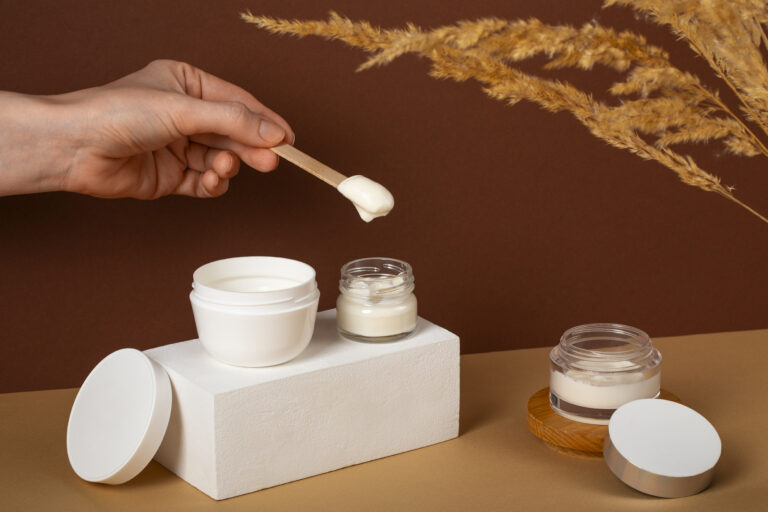
Various approaches are offered to reduce or even eliminate stretch marks, ranging from topical products to laser therapy. One of the most studied is tretinoin, which has shown benefits in several trials. This compound stimulates fibroblasts, thereby increasing collagen production in the tissue. However, common side effects include temporary erythema and desquamation. Other agents frequently used include hyaluronic acid, Centella asiatica, silicone, glycolic acid, ascorbic acid, cocoa butter, olive oil, almond oil, chamomile, coconut oil, and various plant-based oils. Despite their widespread use, the number of evidence-based scientific studies confirming their efficacy remains limited.
Another approach involves laser therapy. Pulsed dye laser (PDL) works by targeting blood vessels, thereby reducing redness and inflammation. Fractional lasers stimulate repigmentation, making the color of stretch marks blend more closely with surrounding skin. Similarly, the 308 nm excimer laser promotes repigmentation, improving the color match with normal skin tone.
Can Stretch Marks Be Prevented? Key Lifestyle and Skin Care Measures
In conclusion, it is important to recognize that stretch marks can occur in anyone experiencing drastic physical changes, whether due to pregnancy, growth, or fluctuations in body weight. While not medically harmful, their presence often impacts self-confidence. Therefore, prevention remains the most effective strategy. Maintaining a balanced diet, ensuring adequate sleep, and keeping the skin hydrated with regular moisturization help preserve skin elasticity. This allows the skin to better adapt to bodily changes, thereby minimizing the risk of stretch mark formation.
Read more:
Difference between Preclinical Trials and Clinical Trials on Drug Products
If you're a pharmaceutical industry player looking to ensure your analytical methods and production processes truly meet quality, safety, and consistency standards, now is the perfect time to conduct laboratory-based validation. IML Research is ready to assist you with validation parameters such as accuracy, precision, linearity, and limits of detection and quantitation, ensuring every test has a strong scientific basis. Consult with the IML Research team for free to ensure your method is properly validated and ready for routine testing.
References :
Beverly A. Mikes, Amanda M. Oakley, Bhupendra C. Patel. Striae Distensae. 2025. Statpearls Publishing. National Library of Medicine.
Lokhande, Archana J.; Mysore, Venkataram1,. Striae Distensae Treatment Review and Update. Indian Dermatology Online Journal 10(4):p 380-395, Jul–Aug 2019. | DOI: 10.4103/idoj.IDOJ_336_18