


Blue Light Exposure from Gadgets as a Challenge in Cosmetic Product Testing

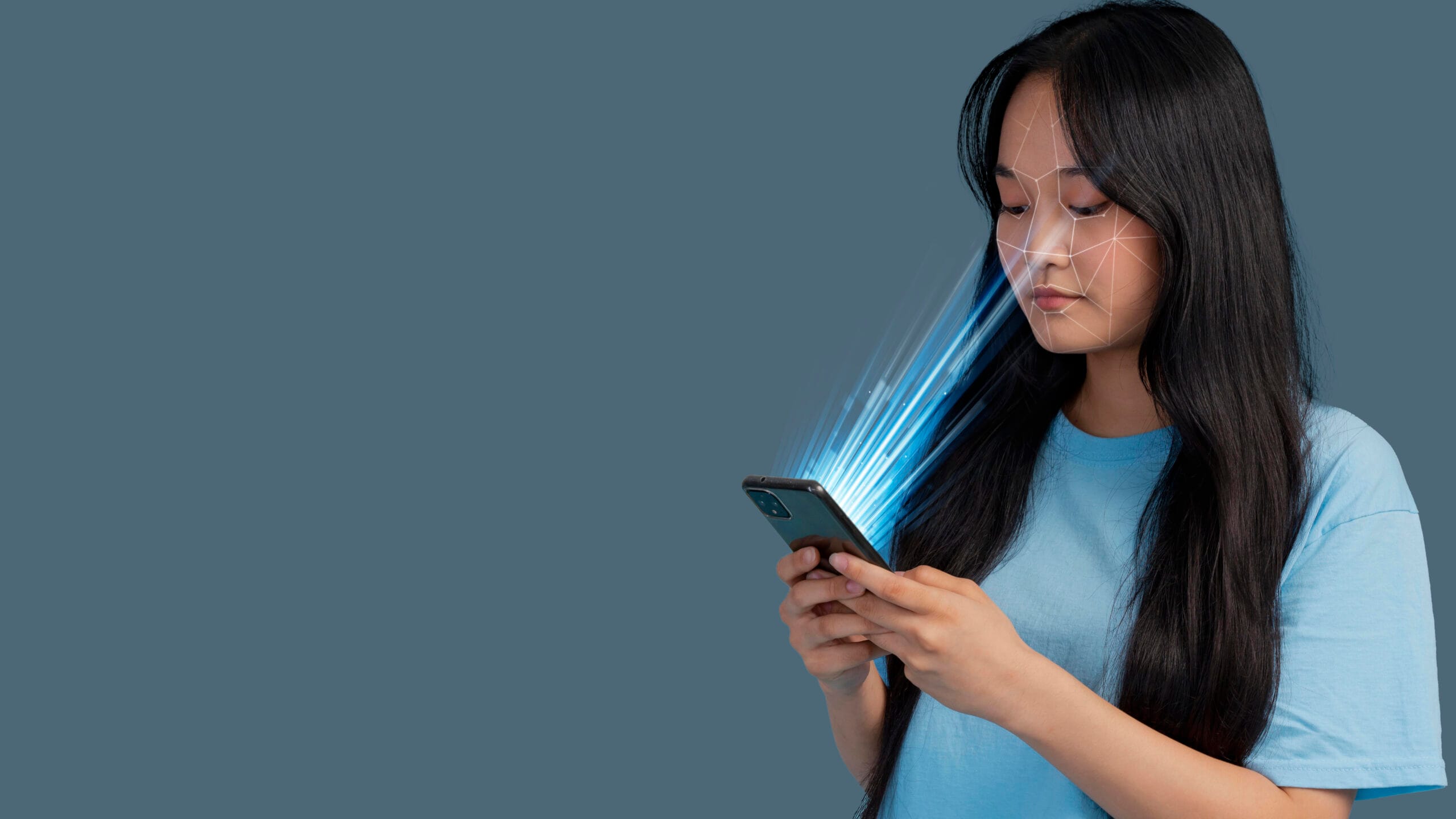
In this modern era, the use of gadgets has become a primary necessity for almost all levels of society. From work, study, to entertainment, all activities now depend on digital screens. According to various surveys, the average person spends more than six hours per day in front of a screen.
However, behind the convenience and efficiency offered, exposure to blue light from digital devices has serious impacts, especially on skin health. Unknowingly, the habit of staring at screens for long periods can make the skin appear dull, dry, and age faster.
- Understanding Blue Light and Its Sources
- The Impact of Blue Light on Skin
- Strategies to Reduce the Negative Impact of Blue Light
Understanding Blue Light and Its Sources
Blue light is part of the visible light spectrum with wavelengths between 420–490 nm and has the highest energy among other visible lights. In daily life, the main source of blue light is actually sunlight, but now artificial sources such as LED screens, smartphones, computers, televisions, and household LED lamps contribute significant exposure. The development of LED technology is indeed energy efficient, but on the other hand, it increases the intensity of artificial blue light exposure to the human body, especially the skin and eyes.
The Impact of Blue Light on Skin
Blue light can penetrate deeper into the layers of the skin compared to ultraviolet light, even reaching the dermis—the layer beneath the epidermis. The biological mechanism of blue light on the skin is explained as follows: blue light activates photo-sensitive molecules in the skin, such as flavins, porphyrins, and opsins, which then trigger chemical reactions that produce free radicals. This process leads to the formation of Reactive Oxygen Species (ROS), which are unstable molecules that can damage DNA, collagen, and elastin.
These reactions accelerate lipid peroxidation and reduce the levels of natural carotenoids that function as the skin’s protective barrier against oxidation. When ROS levels increase, the body attempts to neutralize them using natural antioxidants such as vitamins C, E, and glutathione. However, if the number of free radicals exceeds the skin’s defense capacity, cell damage occurs, triggering inflammation, wrinkles, and loss of skin elasticity.
As a result, the skin experiences excessive oxidation, causing skin cells to lose vitality, leading to hyperpigmentation and reduced elasticity. This is one of the long-term effects of blue light exposure, which is often associated with dull, dry skin and premature aging. In addition, blue light exposure also disrupts the skin’s circadian rhythm—the natural cycle of skin cell repair at night.
When we look at screens late into the night, the skin perceives it as daytime. As a result, the process of cell regeneration and repair is disturbed, and the skin loses its natural time to recover from oxidative stress.
Strategies to Reduce the Negative Impact of Blue Light
Although it is difficult to avoid, there are several steps that can be applied to minimize the negative effects of blue light, such as limiting screen time. It is recommended to take breaks while working with gadgets. In addition, avoid using gadgets at least one hour before bedtime to maintain the body’s biological rhythm.
Using blue light filter features can reduce blue light emissions. Alternatively, use anti-blue light screen protectors or blue light protective glasses to reduce direct exposure to the skin and eyes.
- Use Sunscreen Containing Mineral Filters
Not all sunscreens can protect against blue light. Choose physical sunscreens that contain zinc oxide, titanium dioxide, or iron oxide, as these ingredients can reflect visible light, including blue light. Use sunscreen every day, even when indoors.
- Consume and Use Products Containing Antioxidants
Antioxidants such as vitamins C, E, niacinamide, lutein, and beta-carotene help neutralize free radicals. Antioxidants can be obtained from foods such as spinach, carrots, strawberries, and berries, or through skincare products such as serums and facial creams.
- Take Care of Your Skin at Night
Use night care products that help with skin regeneration, such as retinol or peptides, to allow the skin to recover after a full day of light exposure.
Awareness of skin protection against blue light has become essential in this digital era. Managing screen time, using sunscreens with mineral content, and strengthening the skin from within with antioxidants are wise steps to maintain skin health and beauty amid today’s modern, technology-driven lifestyle.
Read more:
3 Recommended Cosmetic Testing Laboratories for Marketing Authorizations!
For skincare product manufacturers, increasing exposure to blue light demands formulations and product claims that are not only compelling but also scientifically justified. Protection against blue light and oxidative stress needs to be supported by an understanding of the skin's biological mechanisms and evidence based on valid test data.
To ensure the safety, effectiveness, and reliability of product claims, laboratory testing is a crucial step before a product is marketed. Through accurate and comprehensive test data, manufacturers can scientifically demonstrate the effectiveness of antioxidant content and protection against blue light exposure. It's time to strengthen product quality with laboratory testing at IML Testing and Research.
Author: Delfia
Editor: Sabilla Reza
Reference :
Kumari, J., Das, K., Babaei, M., Rokni, G. R., & Goldust, M. (2023). The impact of blue light and digital screens on the skin. Journal of cosmetic dermatology, 22(4), 1185–1190. https://doi.org/10.1111/jocd.15576


