Beware! Cosmetic Allergies Can Come from Hidden Chemicals and Microbes


The skin acts as a protective layer and serves as a sensory structure for the body. Because it is sensitive, the skin can react differently depending on stress and environmental conditions. It also follows a daily rhythm, with its activity changing between day and night.
To maintain its balance, the skin produces bioactive molecules such as peptides and lipids with antimicrobial properties that help regulate local bacterial populations. The microflora on the skin surface offers many benefits, including maintaining the skin barrier and preventing dryness. To preserve this balance, it is recommended to use herbal or plant-based cosmetic products.
However, because most cosmetics contain non-sterile ingredients, they can easily become contaminated by microbes if preservatives are insufficient. Poor manufacturing controls can also lead to chemical contamination. These microbial and chemical contaminants pose various health risks.
History of Cosmetics
Cosmetics were first developed in Ancient Egypt around 4000 BC and were made from mercury, white lead, and frankincense. Throughout history, cosmetics have evolved technologically to address practical needs—such as sun protection, elegance, and beauty standards. In modern times, society has become increasingly appearance-conscious, with a stronger desire to enhance looks compared to earlier civilizations. Today, appearance plays a vital role in social life.
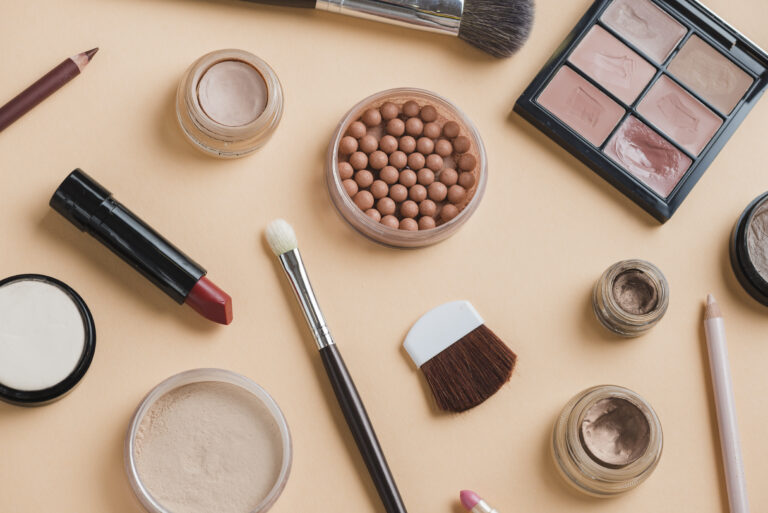
Cosmetics come in many forms, each designed for specific body parts—such as face creams, compact powders, lipsticks, toners, masks, blushes, eyeshadows, foundations, and eyeliners. However, allergies to cosmetics are becoming more common, particularly from products applied to the skin, sprayed, or used during bathing.
Common cosmetic ingredients include water, preservatives, humectants, surfactants, oils, fats, waxes, artificial dyes, fragrances, and herbal extracts. The production process involves emulsification, mixing, solidifying, molding, and packaging. Allergic reactions to cosmetics often stem from unhygienic manufacturing, which can allow pathogenic microbes to grow in the product.
Contamination Risks in Cosmetics
Most cosmetic products play a significant role in infection transmission due to contamination. Because they are rich in nutrients and moisture, even custom-made cosmetics provide an ideal environment for microbial growth. Microbial contamination reduces product quality and can negatively affect human health.
Physical characteristics—such as color, texture, fragrance, and thickness—can change, and microbial decomposition may inactivate key ingredients, causing cosmetics to lose their intended benefits. Contaminants can also irritate the skin and trigger adverse reactions to foreign particles and compounds produced by microbial pollutants.
Recalled cosmetic products generally fall into two categories: chemical contamination and microbiological contamination.
- Chemical contamination accounts for 87.35% of recalls.
- The most common harmful bacteria found are Pseudomonas aeruginosa (35.48%), followed by Burkholderia cepacia, Klebsiella oxytoca, Serratia marcescens, Enterobacter gergoviae, Enterobacter cloacae, Staphylococcus aureus, Achromabacter xylosoxidans, Rhizobium radiobacter, Candida albicans, Pantoea agglomerans, and Citrobacter freundii.
Common cosmetic-related skin problems include acne, chronic hyperpigmentation, facial eczema, eyelid dermatitis, and lip inflammation (cheilitis).
Allergic Contact Dermatitis (ACD)
Allergic Contact Dermatitis is a skin inflammation caused by exposure to chemical, physical, or biological agents in the environment. It leads to lesions on the skin and mucous membranes due to allergic or irritant mechanisms. Skin cleansers and moisturizers are the most frequent triggers.
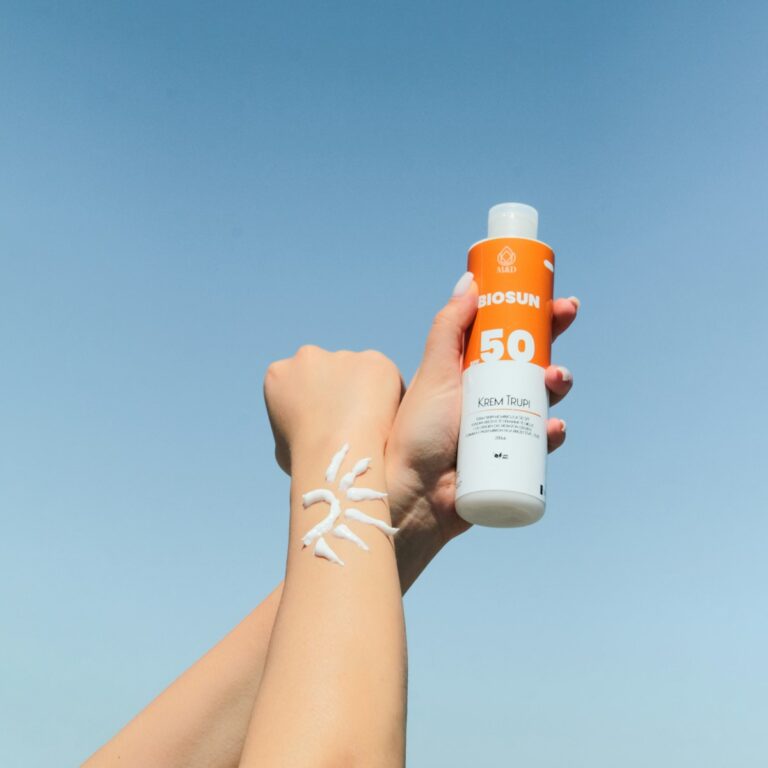
The main chemical agents responsible for ACD include Kathon CG, fragrances, paraphenylenediamine, acrylates, sunscreens, and preservatives. In addition, infections caused by Streptococcus and Staphylococcus bacteria are often associated with ACD symptoms, as certain bacterial toxins can provoke allergic skin reactions.
Read more:
3 Recommended Cosmetic Testing Laboratories for Marketing Authorizations!
With the potential for chemical and microbial contamination from raw materials to the production process, cosmetic safety needs to be controlled from the start. Without proper testing, allergies, irritation, and even product recalls can occur, impacting consumer confidence.
For cosmetic manufacturers, conducting routine laboratory testing is crucial to ensuring products meet safety and quality standards. Microbial and chemical contamination testing helps you control risks from the production stage, protecting consumers, and safeguarding the reputation and sustainability of your cosmetics business.
Author: Safira
Editor: Sabilla Reza
Reference:
Yadav GV, Khunger S, Kunal. Allergic Contact Dermatitis Due to Chemical Agents and Microbial Contamination in Cosmetic Products: A Review. J Pure Appl Microbiol. 2023;17(3):1391-1399. doi: 10.22207/JPAM.17.3.04