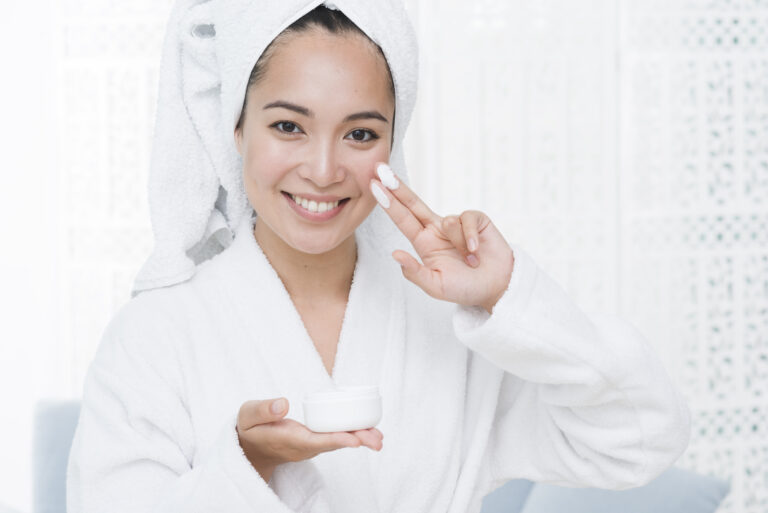
Acne and Blackheads: Stop Washing Your Face with Just Water


Every day, the facial skin continues to work and is exposed to various environmental factors. Generally, people think that if they only carry out activities indoors, their skin will remain clean and safe from dirt.
In fact, even when at home or in the office, the skin is still exposed to fine dust, micro pollution from air ventilation, residue from skincare products, and the natural production of oil (sebum) that continues throughout the day. The combination of dust, dirt, sweat, and oil is what makes the skin dirty even though it is not visible to the naked eye.
Table of Content
- The Formation of Acne and Blackheads
- Understanding Acne and Blackheads More Deeply
- Beneficial Bacteria on The Skin Surface
- Water Alone Is Not Enough
- Active Ingredients That Remove Residue
- Cleansing Products That Dissolve Makeup
- The Important Benefits of Facial Wash
- The Importance of Testing and Choosing
The Formation of Acne and Blackheads
When dirt and oil accumulate on the surface of the skin, pores can become clogged. Clogged pores create an ideal environment for bacterial growth and inflammation, which eventually trigger the appearance of acne and blackheads.
Read also :
Is It True That Acne Patches Can Get Rid of Acne?
This is why properly cleansing the face is very important, even if we feel that we do not do many activities outdoors.
Understanding Acne and Blackheads More Deeply
Acne is a skin condition that occurs when hair follicles or pores become clogged with oil (sebum), dead skin cells, and dirt, and then become inflamed. Acne can appear in various forms, such as inflamed red bumps, pus filled pustules, and even painful acne beneath the surface of the skin.
Meanwhile, blackheads are an early form of acne that has not yet become inflamed. Blackheads are divided into two types: open comedones (blackheads) and closed comedones (whiteheads).
Open comedones appear as small black dots because the blockage in the pore oxidizes when exposed to air. Closed comedones, on the other hand, look like small white or skin colored bumps. The process of blackhead and acne formation begins with excessive oil production that mixes with dead skin cells.
Beneficial Bacteria on The Skin Surface
If this mixture is not properly cleaned, it will settle and clog the pores. Under certain conditions, the skin’s natural bacteria multiply within the clogged pore, triggering inflammation and resulting in acne.
Naturally, human skin has microorganisms or beneficial bacteria living on its surface. These bacteria actually function to maintain the balance of the skin ecosystem. However, when the face is rarely cleaned or only washed with water without an effective cleanser, oil and dirt will continue to accumulate.
This buildup creates a moist and enclosed environment inside the pores. Over time, bacteria can become trapped and multiply excessively within the blockage.
As a result, an inflammatory reaction occurs, leading to the development of acne. So, the problem is not the presence of bacteria itself, but rather the condition of dirty and clogged pores.
Water Alone Is Not Enough
Many people rely on water alone to wash their face, especially when their skin does not feel very oily. However, water does not have the ability to remove oil effectively.
Oil and water do not mix easily. Therefore, oil based impurities, including sebum and makeup residue, cannot be completely removed by water alone. This is where surfactants play an important role.
Active Ingredients That Remove Residue
Surfactants are active ingredients in cleansing products that have the ability to bind both oil and water at the same time. Simply put, surfactants work by “bridging” oil and water so that oily dirt can be lifted away and rinsed off when the face is washed.
To cleanse the face optimally, cleansing products containing surfactants are generally needed. Some commonly used cleansers include micellar water, which is a cleansing liquid containing micelle molecules clusters of surfactants that attract dirt and oil like a magnet.
This product is practical to use and suitable for removing light makeup and daily dust.
Cleansing Products That Dissolve Makeup
Cleansing oil is an oil-based cleanser that effectively dissolves heavy makeup, sunscreen, and excess oil. Its principle is oil dissolves oil, allowing cosmetic residue and sebum to be lifted more easily.
Cleansing balm has a solid texture that melts into oil when applied to the skin. Its function is similar to cleansing oil, but it often feels gentler and more comfortable to use, especially for dry skin.
After using one of these cleansers, the final important step is washing the face with a facial cleanser.
The Important Benefits of Facial Wash
Facial wash acts as the final rinse to ensure that any remaining oil, dirt, and product residue are completely removed from the skin. Thoroughly cleansing the face helps keep pores clean and unclogged.
Clean pores allow the skin to breathe better and reduce the risk of blackheads and acne formation. In addition, clean skin is better prepared to absorb skincare products such as toner, serum, and moisturizer more effectively.
Washing your face with only water may feel sufficient, but in the long term, this habit can increase the risk of skin problems. By choosing the right cleanser and cleansing the face regularly, we can maintain healthy skin and prevent acne and blackheads before they appear.
The Importance of Testing and Choosing
Not all products deliver the same results. Therefore, testing becomes an essential step to ensure that a product can effectively remove cosmetic residues, sebum, and dirt without causing problems to facial skin.
Make sure your makeup removers and facial cleansers are both effective and safe to use. Through efficacy testing and cosmetic testing, product quality, safety, and performance can be scientifically proven. Conduct testing with IML Research to ensure your product performs optimally and meets applicable standards.
Author : Delfi
Editor : Alphi
References :
Ananthapadmanabhan, K. P., Moore, D. J., Subramanyan, K., Misra, M., & Meyer, F. (2004). Cleansing without compromise: the impact of cleansers on the skin barrier and the technology of mild cleansing. Dermatologic Therapy, 17(s1), 16–25. https://doi.org/10.1111/j.1396-0296.2004.04s1002.x
Well, D. (2013). Acne vulgaris. The Nurse Practitioner, 38(10), 22–31. https://doi.org/10.1097/01.npr.0000434089.88606.70