6 Cable Materials That Pass Laboratory Rodent Bite Resistance Testing

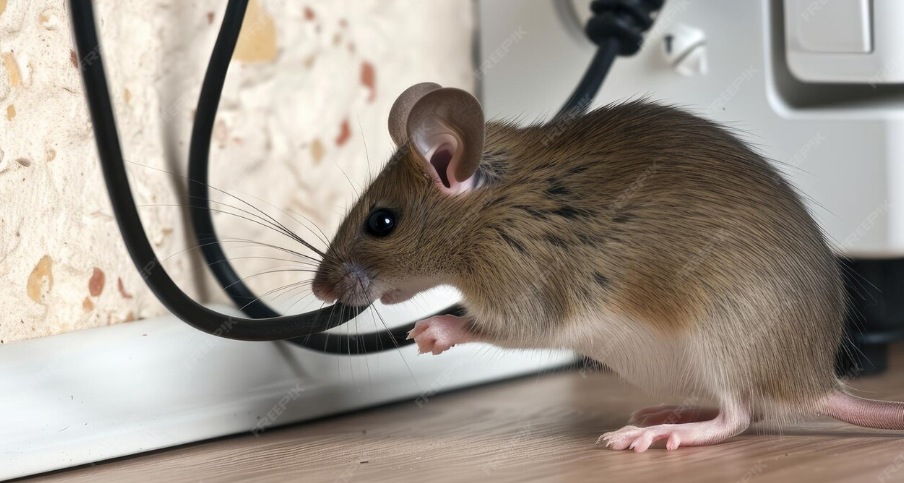
Rats are one of the most common causes of cable damage in homes, industrial facilities, warehouses, and even outdoor electrical installations. Their strong teeth can easily penetrate standard polymer insulation, causing short circuits, system failures, or even fire hazards.
Because of this, choosing cables made from rat-resistant materials has become increasingly important. Several modern materials have been engineered specifically to withstand rodent attacks, offering better durability and longer cable lifespan.
Why Rats Chew on Cables?
Rats gnaw constantly to maintain the length of their incisors, which continue to grow throughout their life.
Warm, dark, and hidden cable routes such as ceilings, walls, and underground ducts create ideal environments for rats to nest and chew.
As a result, cables need to be protected not only electrically but also structurally. Here are several cable materials that can be used to help protect your cable products from rodent bites:
- PVC
- LSZH (Low-Smoke Zero-Halogen)
- Nylon
- Metal Braided Armor
- Glass Fiber Reinforced Polymer (GFRP)
- Additive Repellents
1. PVC Blends with Anti-Rodent Additives
One of the most widely used materials today is PVC (Polyvinyl Chloride) blended with anti-rodent additives. These additives generally use bittering agents, pungent smells, or chemical compounds that discourage rats from biting.
PVC blends maintain flexibility and electrical insulation performance while providing a deterrent effect. This type of material is commonly used in household wiring, CCTV cabling, and small-scale industrial installations.
2. LSZH (Low-Smoke Zero-Halogen) with Reinforced Formulations
LSZH cable jackets are known for safety because they release minimal smoke and toxic gases during combustion.
In recent years, manufacturers have enhanced LSZH compounds by adding mineral fillers and high density polymer binders to increase mechanical hardness, making the jacket more difficult for rats to penetrate.
These cables are often used in public buildings, transportation facilities, servers, and data centers.
3. Nylon (PA) as a Secondary Jacket
Another highly effective approach is applying a nylon (polyamide) outer jacket. Nylon is a strong, abrasion-resistant material with excellent chewing resistance.
It creates an additional protective layer without compromising the cable’s flexibility. This material is well-suited for environments where physical damage risks are high, including factories, chemical plants, and outdoor installations.
4. Metal Braided Armor
For environments with extreme rodent activity, a metal armored layer such as galvanized steel wire braid or steel tape is considered the strongest protection. Metal armor physically prevents rats from accessing the inner insulation, making it nearly impossible for them to penetrate.
Although heavier and more expensive, armored cables offer unmatched protection for underground systems, mining areas, and high-risk industrial sectors.
5. Glass Fiber Reinforced Polymer (GFRP) Coating
Some manufacturers now use glass-fiber-reinforced polymer coatings, which combine high tensile strength with excellent resistance to chewing. The rough, hard texture discourages rats from biting. GFRP coated cables also provide durability against temperature changes and chemical exposure, making them suitable for outdoor utility lines and telecommunications.
6. Additive Repellents: Rodent-Deterrent Technology in Cable Materials
In addition to physical strength, modern cable manufacturers also use additive repellents such as denatonium benzoate (Bitrex) or capsaicin, which impart a bitter or spicy taste to the cable jacket. These compounds are safe for humans but highly disliked by rodents, making cables far less attractive to chew on.
Choosing the Right Rat-Resistant Cable
Selecting the most suitable cable material depends on location, risk level, and installation environment. PVC with additives may be sufficient for indoor use, while LSZH or nylon-jacketed cables offer higher durability for commercial settings.
For critical infrastructure, metal-armored or GFRP coated cables provide maximum protection. Understanding these material differences helps ensure long lasting systems, reduced maintenance costs, and minimized electrical hazards.
Although selecting the right cable materials such as HDPE, high-density PVC, TPE, or using additional layers like fiberglass and steel can improve resistance to rodent bites, their effectiveness still needs to be scientifically validated.
Must Read:
How Rodent-Resistant Are Your Cables? A Cable Test Is the Only Way to Find Out!
Each material has different mechanical properties and durability, making laboratory testing an essential step to ensure that cables can truly withstand rodent bites under real-world conditions.
IML Testing and Research provides comprehensive and reliable cable bite resistance testing. Through this testing, cable manufacturers and users can ensure that the materials used meet safety, durability, and quality standards before field deployment.
Make sure your cables are professionally tested to prevent damage, short circuits, and the risk of fire.
Author: Indah Nurharuni
Editor: Sabilla Reza
References:
- Yadav, S. et al. (2018). Evaluation of Rodent-Resistant Additives in PVC Cable Insulation. Journal of Polymer Materials.
- Patel, R. & Singh, A. (2020). Mechanical Performance of LSZH Compounds Reinforced with Mineral Fillers. International Journal of Polymer Science.
- Kimura, H. (2019). Durability of Nylon-Coated Cables in Industrial Environments. Journal of Industrial Materials Engineering.
- Zhao, L. et al. (2021). Glass Fiber Reinforced Polymers for Cable Protection Applications. Materials & Design.
- Ahmed, M. (2017). Performance Analysis of Steel-Armored Cables Against Rodent Damage. Electrical Infrastructure Journal.