Scalp Essence vs. Hair Tonic: What Are the Differences and Which Is More Effective?

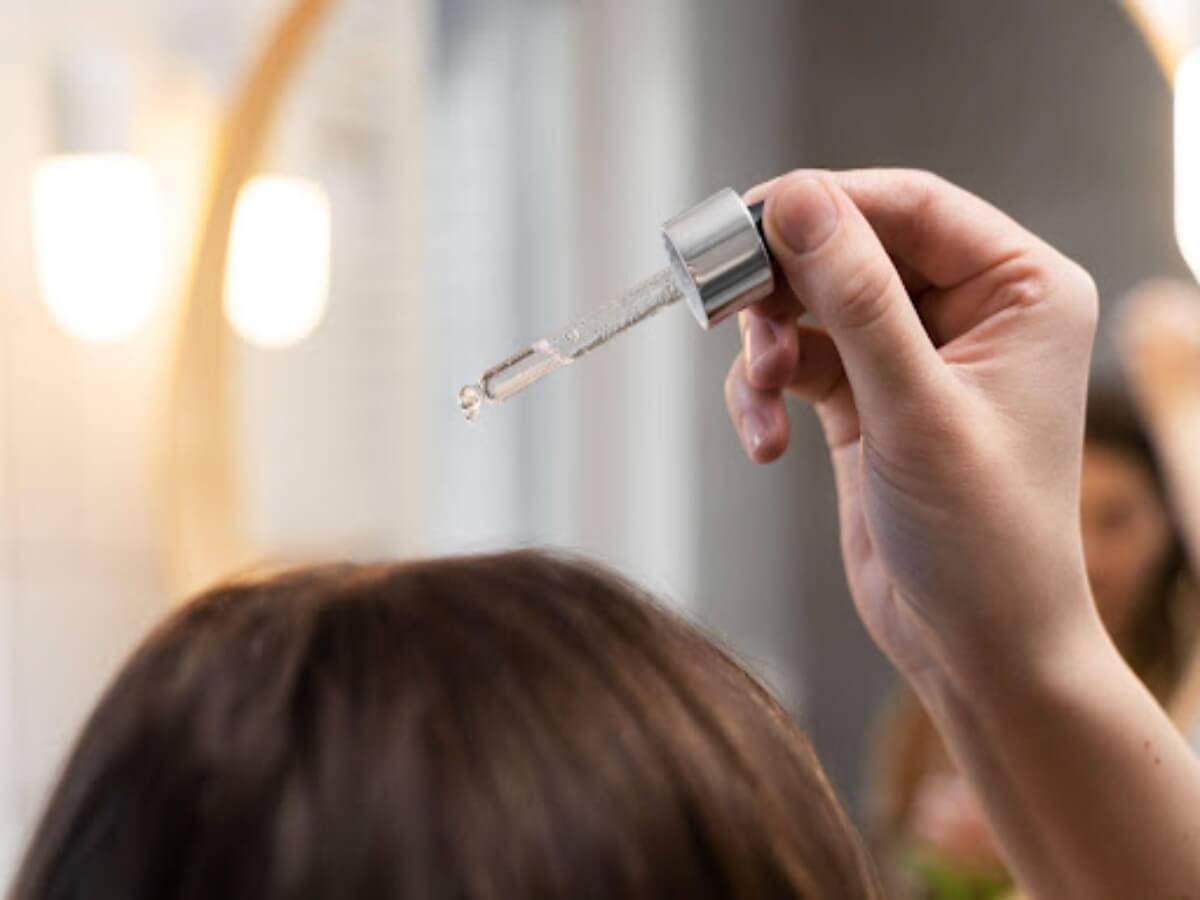
Hair care is no longer focused solely on the hair strands but also on maintaining scalp health, commonly known as scalp care. One increasingly popular trend is the use of scalp essence and hair tonic.
Both products are often considered to serve similar purposes because they are applied directly to the scalp. However, are they really the same? And which one is more effective in maintaining healthy hair?
Table of Content:
- Understanding Scalp Essence and Hair Tonic
- Scalp Essence vs. Hair Tonic: What Are the Differences?
- Understanding the Active Ingredients in Scalp Essence and Hair Tonic
- Which Is More Effective for Addressing Hair Concerns?
- How Can the Effectiveness of Scalp Essence and Hair Tonic Be Evaluated?
Understanding Scalp Essence and Hair Tonic
Scalp essence is a scalp care product formulated with various active ingredients to help maintain moisture, improve scalp condition, and support a healthy scalp environment. These products generally have a lightweight texture and are easily absorbed, making them comfortable to incorporate into a regular hair care routine.
Meanwhile, hair tonic is a hair care product that typically comes in a liquid form and is applied directly to the scalp. Its formulation may contain refreshing agents, moisturizers, botanical extracts, and other active ingredients intended to help care for the scalp and hair.
Read Also:
The Difference Between Hair Oil and Hair Serum: Functions, Benefits, and Usage
Scalp Essence vs. Hair Tonic: What Are the Differences?
The main differences between these products lie in their formulation objectives, product characteristics, and combinations of active ingredients. Scalp essence is generally developed with a scalp care approach, focusing on maintaining hydration and supporting skin barrier function.
In contrast, hair tonic is often positioned as a daily hair care product that provides a refreshing sensation while helping maintain scalp condition. In terms of texture, scalp essence may range from lightweight liquid to slightly viscous formulations, whereas hair tonic is generally more fluid.
However, these characteristics are not absolute, as they depend largely on each product’s specific formulation.
Understanding the Active Ingredients in Scalp Essence and Hair Tonic
Both products may contain similar active ingredients. Niacinamide is known for helping maintain skin barrier function and overall scalp condition. Panthenol acts as a humectant that helps retain moisture.
Meanwhile, caffeine and various botanical extracts are commonly incorporated into hair care formulations. The selection of active ingredients should consider their concentrations, compatibility with other ingredients, formulation stability, and overall safety.
Therefore, a product’s effectiveness cannot be determined solely by the number of active ingredients listed on its packaging.
Which Is More Effective for Addressing Hair Concerns?
Neither product is universally more effective for every condition. Scalp essence may be a suitable option for scalp care, particularly when hydration is needed, while hair tonic may be preferred for daily hair care depending on its formulation characteristics.
When dealing with hair loss, consumers should first understand its underlying causes. Cosmetic hair care products do not automatically address all causes of hair loss. Product selection should be based on individual scalp needs and claims supported by scientific evidence.
How Can the Effectiveness of Scalp Essence and Hair Tonic Be Evaluated?
In hair care product development, laboratory testing plays an important role in ensuring product quality, safety, and efficacy. Stability testing is conducted to evaluate changes in product characteristics during storage.
Irritation testing helps assess the potential for skin reactions, while efficacy testing can support product benefit claims through measurable parameters. Testing methods such as phototrichograms can also be used to evaluate hair parameters, including hair count and density within a designated observation area, depending on the study design.
Validate your haircare formulations with IML Testing and Research
IML Testing and Research provide comprehensive Cosmetic Efficacy, Stability, Safety, and Microbial Contamination Testing, backed by standardized laboratory methods and an objective Certificate of Analysis (CoA) to guarantee your scalp care products are safe, stable, and truly effective.
Consult Your Haircare Testing Now!
Author: Elmira
Editor: Lina
Daftar Pustaka
Dhurat, R., & Saraogi, P. (2010). Hair evaluation methods: Merits and demerits. International Journal of Trichology, 2(2), 108–119. https://doi.org/10.4103/0974-7753.58553
Van Neste, D., de Brouwer, B., & De Coster, W. (1994). The phototrichogram: Analysis of some technical factors of variation. Skin Pharmacology, 7(1–2), 67–72. https://doi.org/10.1159/000211276
Scheede, S., Herpens, A., Burmeister, F., Oltrogge, B., Saenger, K., Schmidt-Rose, T., Schreiner, V., Wenck, H., Knieps, T., & Berlage, T. (2011). Qualification of a new and precise automatic tool for the assessment of hair diameters in phototrichograms. Skin Research and Technology, 17(2), 186–195. https://doi.org/10.1111/j.1600-0846.2010.00482.x