Stevia Sugar in the Spotlight: Uncovering Hidden Sweeteners Behind the Buzz of Viral Product Lab Test Findings

Lately, our social media timelines have been shaken by various independent laboratory test findings on viral food and beverage products. Many consumers feel deceived after lab results proved that products claimed to be healthy, low calorie, or “sugar-free” actually contain dangerously high levels of hidden sugars.
Amidst this storm of distrust, stevia sugar is often used as a shield by manufacturers to reassure consumers. But the question remains: do these products truly use only pure stevia?
Table of Content:
- Why Has Stevia Sugar Become the Holy Grail?
- The Bitter Truth Behind Hidden Sweeteners
- The Importance of Accurate Laboratory Testing
Why Has Stevia Sugar Become the Holy Grail?
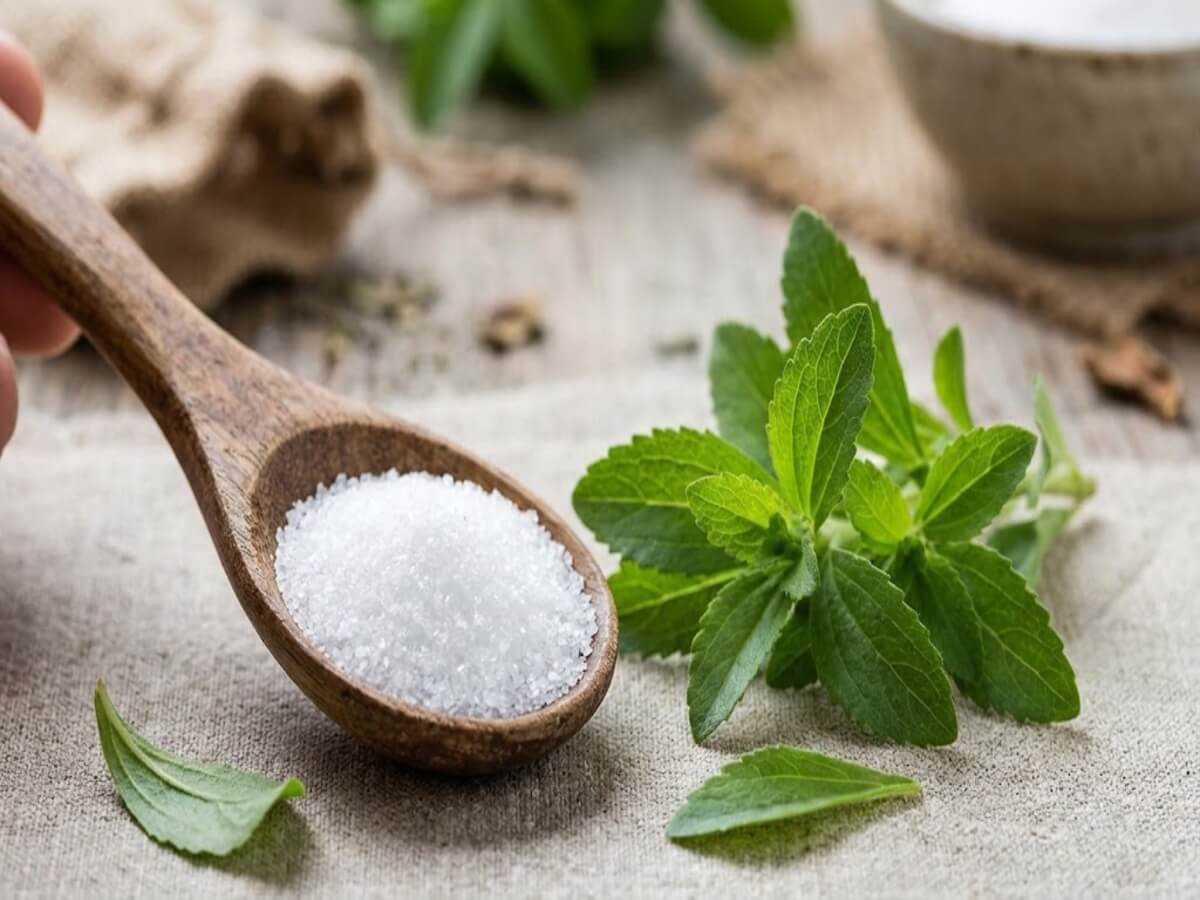
Public awareness regarding the dangers of diabetes and obesity has drastically increased the trend for healthy lifestyles. Stevia sugar, extracted from the leaves of the Stevia rebaudiana plant, is widely known as a zero-calorie natural sweetener.
Its sweetness can reach 200 to 300 times that of regular cane sugar, yet it does not cause a spike in blood sugar (it has a zero glycemic index). It is no wonder that the “contains stevia sugar” label immediately attracts consumers who are on a diet or managing their metabolic health.
Read Also:
Collagen Drinks for Skin: Beauty Trend or Claims That Need to Be Proven?
The Bitter Truth Behind Hidden Sweeteners
Unfortunately, looking at the recent viral lab test findings, consumers must be more vigilant. Pure stevia extract has a relatively expensive raw material cost and often leaves a slightly bitter or licorice-like aftertaste.
To circumvent production costs and improve the flavor profile, quite a few unethical manufacturers or those lacking understanding of food regulations mix gula stevia with other sweeteners. Some of the hidden sweeteners frequently found alongside stevia claims include:
- Maltodextrin and Dextrose: Often used as bulking agents. Although considered complex carbohydrates, they have a very high glycemic index and can trigger severe blood sugar spikes.
- Sucralose and Aspartame: Synthetic artificial sweeteners mixed in to enhance sweetness at a fraction of the cost.
- Added Fructose: Sometimes hidden behind names like “corn syrup” or other sweetening agents that actually contribute high calories.
If diabetic consumers consume products labeled with “stevia sugar” that are actually adulterated with maltodextrin, the health impact can be fatal. This is why ingredient transparency is absolutely crucial.
The Importance of Accurate Laboratory Testing
Viral cases where influencers or nutritionists bring product samples to the lab prove one thing: packaging labels cannot always be trusted one hundred percent. For consumers, this is a wake up call to be more critical when reading Nutrition Facts.
For manufacturers, these viral lab findings are a severe warning. Claiming a product uses stevia sugar without conducting thorough analytical testing can lead to a public relations crisis and legal issues with food authorities (like BPOM). Testing using High Performance Liquid Chromatography (HPLC) in an accredited laboratory can precisely separate, identify, and quantify natural and artificial sweeteners in a food product.
Conclusion
The presence of stevia sugar is indeed a brilliant solution for the healthy food industry. However, without transparency and strict Quality Control processes, these claims can backfire.
The viral cases exposing the true contents of food products should serve as a crucial lesson for manufacturers to always validate their health claims through scientific data.
Contact IML Testing and Research for Your Product Lab Testing!
Don’t let your brand’s reputation be ruined by inaccurate label claims! Ensure your food and beverage products are truly safe, compliant with regulations, and free from hidden sweeteners. Contact IML Testing and Research today for accurate and reliable food composition lab testing, residue analysis, and nutritional profiling. Be a transparent brand and earn your consumers’ full trust!
Author & Editor: Lina
References:
Badan Pengawas Obat dan Makanan (BPOM) RI. (2019). Peraturan Badan Pengawas Obat dan Makanan Nomor 11 Tahun 2019 tentang Bahan Tambahan Pangan Pemanis. Jakarta: BPOM.
Purnomo, H., & Wulandari, R. (2021). Kimia Pangan dan Analisis Pemanis Buatan: Teori dan Aplikasi Laboratorium. Bandung: Penerbit Teknologi Pangan Nusantara.
Setyaningsih, D., dkk. (2022). “Analisis Kuantitatif Campuran Pemanis Sintetis pada Produk Minuman Berlabel Alami Menggunakan Metode HPLC.” Jurnal Teknologi dan Industri Pangan, 33(2), 145-152.
Winarno, F.G. (2018). Kimia Pangan dan Gizi (Edisi Terbaru). Jakarta: Gramedia Pustaka Utama.