Surfactant Content Testing: Strategies to Ensure Your Non SLS Shampoo Formulation is Truly Sulfate-Free

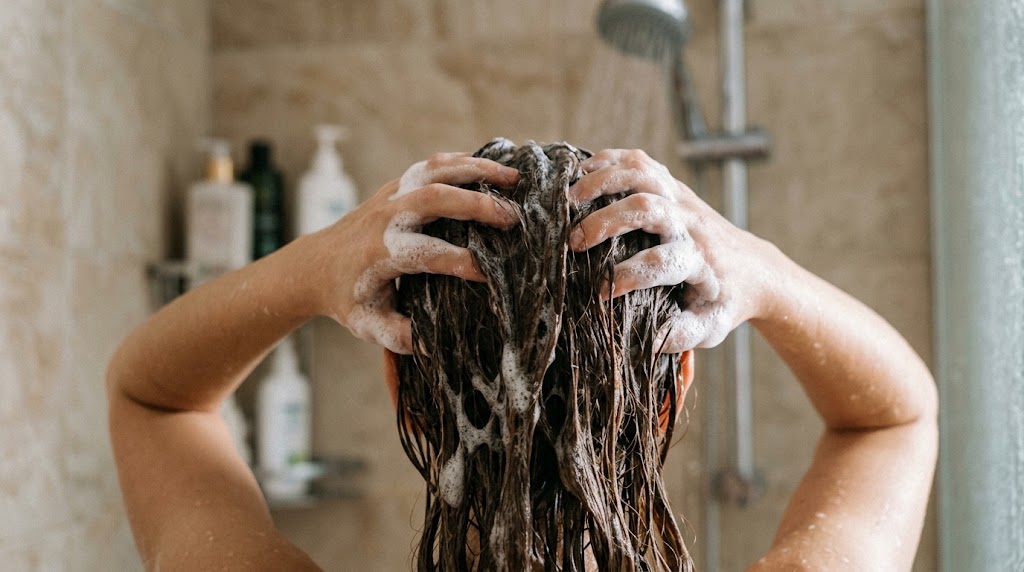
As consumer awareness regarding hair and scalp health continues to rise, the personal care trend is rapidly shifting toward gentle formulations. One of the most highly sought-after products in the market today is a non SLS shampoo.
Consumers with sensitive scalps, color-treated hair, or chemically smoothed hair strictly avoid Sodium Lauryl Sulfate (SLS) and Sodium Laureth Sulfate (SLES) because they are known to aggressively strip the hair of its natural oils (sebum). For cosmetic brand owners, this trend presents a massive business opportunity.
However, claiming a non SLS shampoo is “Sulfate-Free” carries significant regulatory responsibilities.
Table of Content:
- The Risks of Overclaiming and Cross-Contamination in Production
- The Importance of Surfactant Content Testing in the Laboratory
The Risks of Overclaiming and Cross-Contamination in Production
Creating a non SLS shampoo is not merely about replacing SLS with alternative surfactants like Sodium Cocoyl Isethionate (SCI) or Cocamidopropyl Betaine (CAPB). On an industrial scale, the risk of cross-contamination is highly probable, especially if your product is manufactured in a toll manufacturing facility that also produces conventional sulfate-based shampoos on the same production line.
Furthermore, some secondary surfactant raw materials in the market occasionally still contain residues or trace amounts of sulfate compounds from their original suppliers. If your non SLS shampoo claims to be “100% Sulfate-Free” but BPOM (Food and Drug Authority) inspections reveal traces of SLS/SLES, your brand could face mandatory product recalls, fines, and a permanent loss of consumer trust.
The Importance of Surfactant Content Testing in the Laboratory
To prevent legal risks and protect brand reputation, every non SLS shampoo formulation must be validated through Surfactant Content Testing at an independent analytical laboratory. This testing generally utilizes high-precision instruments such as High-Performance Liquid Chromatography (HPLC) or Titrimetric methods to provide:
1. Qualitative Analysis
This testing phase focuses on identifying the presence or absence of prohibited compounds based on your packaging claims. Utilizing high-level analytical instruments, this test will ensure that your non SLS shampoo matrix is completely clean down to the trace element level.
This step is highly crucial to prove that your product is free from any SLS or SLES residues that might have been accidentally introduced from secondary raw materials (such as thickeners or foam stabilizers) or due to cross-contamination in the manufacturing machinery.
2. Quantitative Analysis
Precisely measuring the composition of the alternative surfactants you use, ensuring their concentrations remain safe according to ASEAN cosmetic guidelines and Ministry of Health standards. This testing does not merely focus on what ingredients are avoided, but also strictly validates the dosage of the substitute materials you formulate.
Even when utilizing milder surfactants like Sodium Cocoyl Isethionate (SCI), amino acid-based surfactants, or glucosides, their usage levels within your non SLS shampoo matrix must still be rigorously monitored. An excessive concentration of alternative surfactants can actually trigger new potential irritation issues for consumers with sensitive scalps, and it risks compromising the physical stability (viscosity and pH) of the product during long-term storage.
By possessing a valid Certificate of Analysis (CoA), the “Sulfate-Free” marketing claim on your product packaging is no longer just a marketing gimmick, but a scientifically accountable fact.
Do Not Let Sulfate Residues Destroy Your Cosmetic Brand's Reputation!
A “Sulfate-Free” claim without analytical proof is a ticking time bomb for your cosmetic business. Ensure your non SLS shampoo formulation is 100% safe, complies with BPOM regulatory standards, and is free from cross-contamination.
Consult your cosmetic testing needs today. Conduct Surfactant Content Testing with high accuracy and precision partnered with a trusted independent laboratory, IML Testing and Research. Validate your product claims today and confidently dominate the hair care market!
Author & Editor: Lina
References
Tranggono, R. I., & Latifah, F. (2007). Buku Pegangan Ilmu Pengetahuan Kosmetik. Jakarta: PT Gramedia Pustaka Utama.
Mitsui, T. (1997). New Cosmetic Science. Amsterdam: Elsevier Science B.V. (Edisi Terjemahan/Rujukan Dasar Formulasi).
Wasitaatmadja, S. M. (1997). Penuntun Ilmu Kosmetik Medik. Jakarta: Universitas Indonesia (UI) Press.
Setyowati, H., & Setyani, W. (2018). Evaluasi Mutu Fisik dan Uji Iritasi Sediaan Sampo Berbasis Ekstrak Tumbuhan dengan Variasi Surfaktan Non-Sulfat. Jurnal Farmasi Sains dan Terapan, 5(2), 34-41.
Puspitasari, A. D., & Probowati, M. (2020). Analisis Kualitatif dan Kuantitatif Kandungan Sodium Lauryl Sulfate (SLS) pada Berbagai Merek Sampo Herbal di Pasaran. Jurnal Ilmu Kefarmasian Indonesia, 18(1), 55-62.
Kusuma, I. G. N., & Pratiwi, L. (2021). Optimasi Formulasi Sediaan Sampo Bebas SLS (Sodium Lauryl Sulfate) Menggunakan Surfaktan Alternatif dan Uji Stabilitas Sediaannya. Majalah Farmaseutik, 17(3), 120-128.