SPF Lip Balm: Lip Protection That Should Never Be Based on Unverified Claims

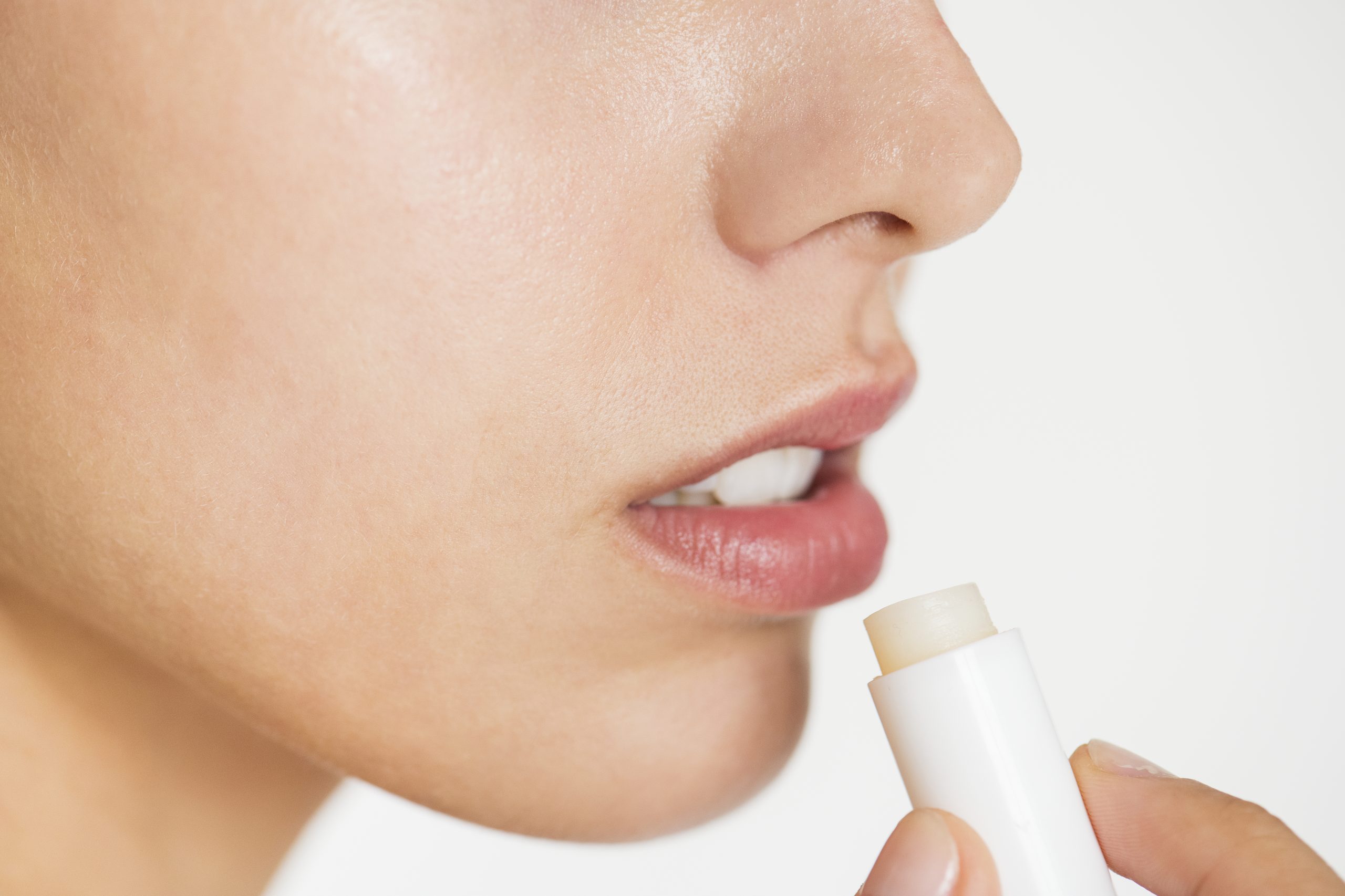
The lips are one of the most sensitive areas of the skin, yet they are often overlooked. Skincare routines generally focus more on the face and body, while lip care such as applying an SPF lip balm is often only considered when the lips become dry or chapped.
In reality, the lips are exposed to various environmental factors every day, including sunlight. Common lip concerns include dryness, chapping, soreness, and changes in color that can make the lips appear darker.
Drinking enough water is certainly important for maintaining adequate hydration, but keeping the lips healthy goes beyond internal hydration. The moisture on the surface of the lips also needs to be maintained through proper care.
Table of Content:
- Sun Exposure and Its Impact on the Lips
- SPF Lip Balm as an Additional Layer of Protection
- SPF Lip Balm Claims Should Never Be Made Without Proper Testing
Sun Exposure and Its Impact on the Lips
Sunlight contains ultraviolet (UV) radiation, which can affect the skin when exposure is excessive. UV exposure can contribute to skin damage, premature aging, and changes in skin pigmentation.
The lips are also exposed to UV radiation because they are located in an uncovered area and do not always receive the same level of protection as other parts of the face. Over time, unprotected sun exposure may contribute to changes in the color and overall condition of the lips.
Sunscreen used on the face can help protect facial skin from UV exposure. However, facial sunscreens are generally not specifically formulated for use on the lips. The lips also have different characteristics and are located close to the mouth, making it important to use products specifically formulated for this sensitive area.
Read Also:
Strategies SPF Laboratory Test Results: What Do SPF 30, SPF 50, and SPF 50+ Mean?
SPF Lip Balm as an Additional Layer of Protection
One skincare option for protecting the lips is SPF lip balm. This type of product not only helps maintain lip moisture but also provides protection against UV exposure.
Regular use of SPF lip balm can help keep the lips moisturized while reducing direct UV exposure on the surface of the lips. With appropriate protection, the risk of dryness, discoloration, or darkening caused by various external factors may be minimized.
Since lip balm is applied to an area that comes into direct contact with food and beverages, the safety of its formulation is also an important consideration. The ingredients used should comply with applicable cosmetic safety requirements and be appropriate for products intended for use on the lips.
SPF Lip Balm Claims Should Never Be Made Without Proper Testing
The SPF number stated on a product is more than just a marketing claim. An SPF claim represents the level of protection a product provides against UV radiation and therefore needs to be supported by appropriate testing.
Claims that are not based on test results may lead to inaccurate information regarding the product's actual level of protection. This is particularly important because consumers often use SPF values as a reference when choosing the level of protection they need.
If the claimed SPF is significantly higher than the product's actual performance, it may create a misleading perception of the protection provided.
SPF Testing for Consumer Protection and Product Reliability
IML Testing Research provides SPF testing services to help verify whether the protection claims of a product are supported by test results. SPF testing can be an important part of the development and evaluation process for SPF lip balm products before they are introduced to the market.
SPF testing not only helps prevent overclaiming, but also supports the delivery of more accurate and responsible product information. With reliable test results, manufacturers can align their product claims with the measured level of protection.
Contact IML Testing & Research to discuss your SPF lip balm testing requirements and support your product claims with measurable laboratory data.
Author: Delfia
Editor: Lina
References
De Oliveira, M. C., et al. (2021). Risk factors for actinic cheilitis: A meta-analysis. Journal of Oral Pathology & Medicine, 50(10), 1049–1057.
Read the full article on PMC
Sperber, B. R., et al. (2019). A series of in vitro and human studies of a novel lip cream formulation for protecting against environmental triggers of recurrent herpes labialis. Clinical, Cosmetic and Investigational Dermatology, 12, 187–197.
Read the full article on PMC