Don’t Choose Wrong! How to Select the Right Fertilizer for Your Plant Type to Maximize Harvest Yields


Ever kept feeding your plants regularly, yet they still look pale and the harvest stays average? The problem might not be how much fertilizer you're using, but whether the nutrient source matches the specific plant’s needs. Every plant requires different nutrients, so choosing the wrong product can waste both time and money.
Here's how to choose the right fertilizer based on your plant type.
Table of Content:
- Know What Nutrients Your Plant Actually Needs
- Pick Single or Compound Fertilizer Based on the Growth Stage
- Apply the “5 Rights” Principle of Fertilizing
- Match the Application Method to the Plant's Characteristics
- Don't Forget to Check the Soil Condition
Know What Nutrients Your Plant Actually Needs
Every plant has its own nutrient “preference.” Leafy plants, like green vegetables, need more Nitrogen (N) because it's what makes leaves greener and lusher. Fruiting and seed-bearing plants, on the other hand, rely more on Phosphorus (P) to trigger flowering and ripen fruit, plus Potassium (K) to boost disease resistance and keep fruit from dropping too early.
So before choosing a nutrient source, figure out which part of the plant you're trying to boost.
Read Also:
NPK Fertilizer Quality Testing: Ensuring Products Meet Standards Before Marketing
Pick Single or Compound Fertilizer Based on the Growth Stage
On the market, you'll find single-nutrient products, such as Urea for N or SP-36 for P, as well as compound formulations like NPK that combine several nutrients at once. During the early growth stage, plants generally need more N to support stem and leaf development.
Once they move into the generative stage, flowering and fruiting, the demand for P and K goes up instead. That's why single fertilizers work well if you want precise control over each nutrient, while compound fertilizers are more practical for routine maintenance.
Apply the “5 Rights” Principle of Fertilizing
This is the part a lot of people skip. The 5 Rights principle consists of:
- Right type – match the fertilizer's nutrient content to what the plant currently needs.
- Right dose – not too little, and definitely not too much, since overdoing it can poison the plant.
- Right timing – fast-dissolving fertilizers are best applied gradually over several rounds, while slow-release ones can be given all at once before planting.
- Right placement – pay attention to where the fertilizer goes, whether broadcast, placed in a hole, or in a furrow.
- Right method – through the roots (broadcast or buried) or through the leaves (sprayed), depending on the plant and field conditions.
Get these five right, and nutrient uptake becomes far more efficient instead of going to waste.
Match the Application Method to the Plant's Characteristics
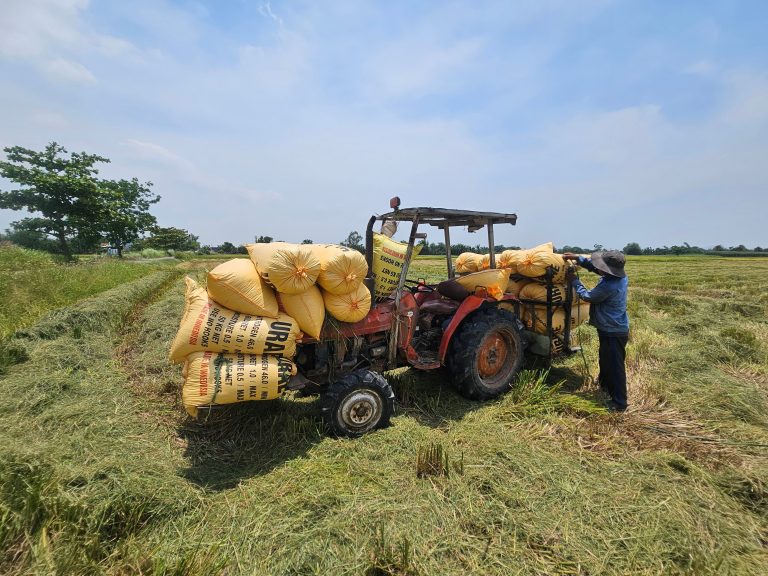
Shallow-rooted, densely planted crops like rice do well with broadcast fertilizing, spread evenly across the field. Perennial plants such as coffee, durian, or oil palm, on the other hand, respond better to fertilizer placed in a hole or a circular furrow around the trunk, keeping it closer to the roots and less likely to evaporate or wash away in the rain.
For plants that need a quick response, say, during a sudden nutrient deficiency, foliar application can be the answer, since leaves absorb nutrients faster through their stomata.
Don't Forget to Check the Soil Condition
Even the best fertilizer won't work well if the soil itself isn't cooperating. Soil that's too acidic or too alkaline can lock up nutrients, keeping them from being absorbed.
Ideally, nutrients are most available at a soil pH of around 6.5–7.5. That's why it's worth testing your soil's nutrient status and pH before deciding on the type and dose of fertilizer to use.
Conclusion
At the end of the day, choosing the right fertilizer for each plant type isn't just about “throwing on some fertilizer.” It's about understanding nutrient needs, growth stages, and soil conditions. Apply the 5 Rights principle and match your application method to the plant, and you'll get a much better harvest without wasting money on fertilizer.
Ensure the Right Fertilizer for Each Crop Through Quality Testing
Choosing the right fertilizer involves more than considering the type of crop. Nutrient content, including nitrogen (N), phosphorus (P), and potassium (K), should also be evaluated according to plant requirements and fertilization objectives.
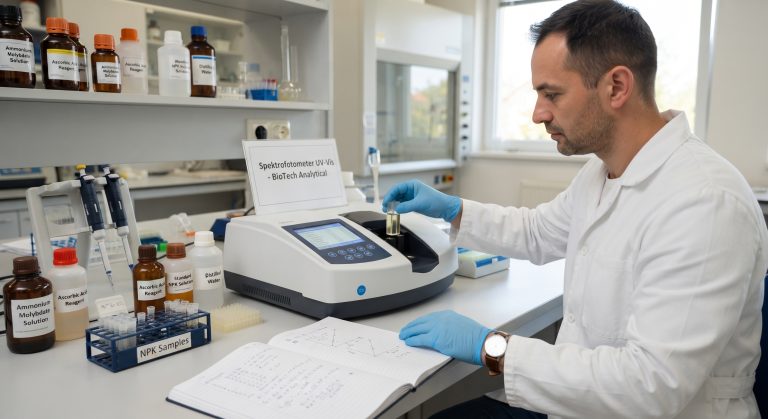
Through Chemical Analysis at IML Testing & Research, manufacturers can evaluate nutrient content and verify whether the product composition meets the specified requirements.
Contact IML Testing & Research to discuss fertilizer quality testing and support your product quality with reliable laboratory data!
Author: Fachry
Editor: Lina
References
Mansyur, N. I., Pudjiwati, E. H., & Murtilaksono, A. (2021). Pupuk dan pemupukan. Syiah Kuala University Press.
Purba, T., Situmeang, R., Rohman, H. F., Mahyati, Arsi, Firgiyanto, R., Junaedi, A. S., Sa’adah, T. T., Junairiah, Herawati, J., & Suhastyo, A. A. (2021). Pupuk dan teknologi pemupukan. Yayasan Kita Menulis.
Rajiman. (2020). Pengantar pemupukan. Deepublish.
Suriadikarta, D. A., Setyorini, D., & Hartatik, W. (2004). Uji mutu dan efektivitas pupuk alternatif anorganik. Balai Besar Litbang Sumberdaya Lahan Pertanian.