How Systemic Fungicides Work: Mechanism, Formula, and Applications

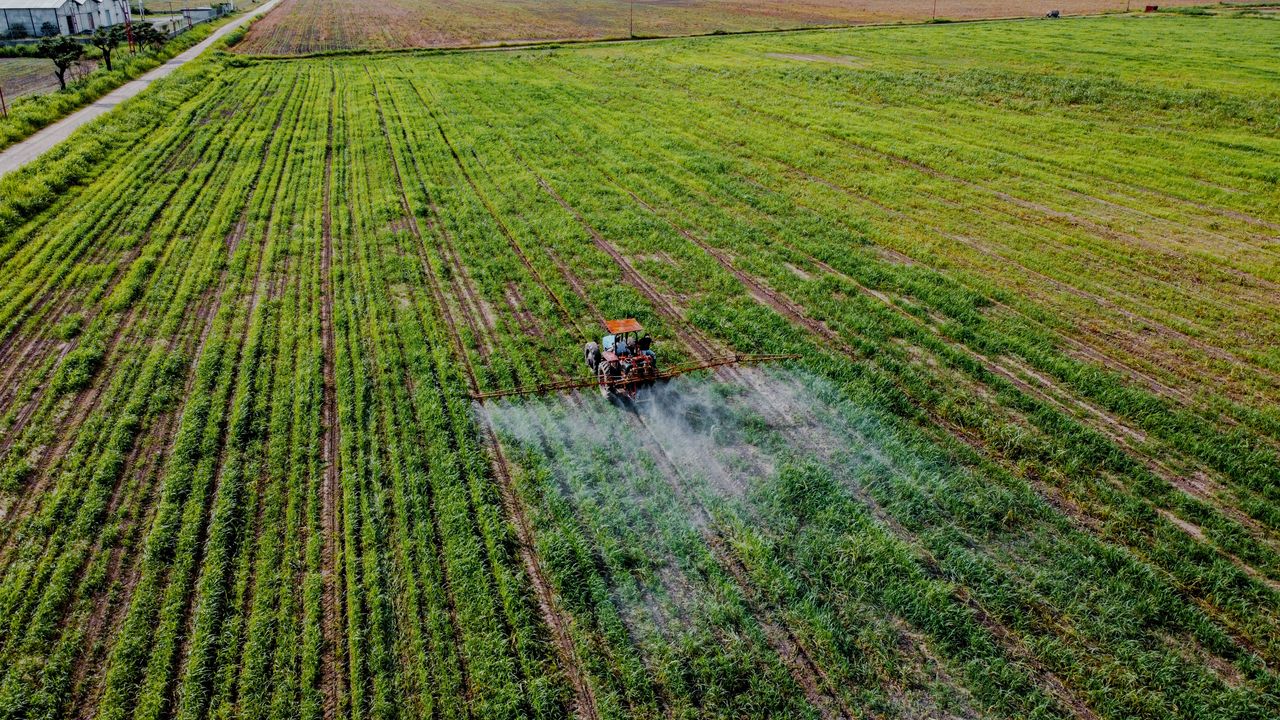
Fungicides are pesticides used to control plant diseases caused by fungi and fungus-like organisms. Based on their mode of action and movement within plants, fungicides can generally be classified into contact and systemic fungicides.
Understanding how systemic fungicides work is important because, unlike contact fungicides, systemic fungicides can be absorbed by plant tissues and transported within the plant. Understanding the mechanism of systemic fungicides can help farmers, agricultural professionals, researchers, and pesticide users select and apply fungicides more effectively and responsibly.
Table of Content:
- What Are Systemic Fungicides?
- How Do Systemic Fungicides Work?
- Systemic Fungicides for Disease Prevention and Control
- Benefits of Systemic Fungicides
- Fungicide Resistance Risk
What Are Systemic Fungicides?
Systemic fungicides are fungicides that can be absorbed by plants through the leaves, stems, or roots. After entering the plant, certain active ingredients can be transported through the plant's vascular system to specific tissues.
This characteristic distinguishes systemic fungicides from contact fungicides, which primarily remain on the surface of the plant. Because systemic fungicides can move within plant tissues, they may provide protection to parts of the plant that are not directly covered during application.
However, the absorption and movement of a systemic fungicide depend on several factors, including the active ingredient, formulation, plant species, application method, and environmental conditions.
Read Also:
Laboratory Study on the Effects of Pesticides on the Food Chain
How Do Systemic Fungicides Work?
The basic process of how systemic fungicides work begins when the active ingredient reaches the plant surface and is absorbed into the plant tissue. Once inside the plant, the active ingredient may be transported to its target site.
At the cellular level, systemic fungicides interfere with biological processes that are essential for the growth, development, or reproduction of fungal pathogens. The specific target depends on the active ingredient and its mode of action.
For example, some fungicides interfere with the formation of important cellular components, while others affect energy production, membrane formation, cell division, or other metabolic processes. These disruptions can inhibit fungal growth, reduce spore production, or slow the development of plant diseases.
Systemic Fungicides for Disease Prevention and Control
Systemic fungicides may be used to protect plants before infection occurs or to help control disease during the early stages of infection. The timing of application is therefore an important factor in achieving effective disease control.
Applications made when disease development is still at an early stage are generally more effective than waiting until symptoms become severe. However, the effectiveness of a systemic fungicide varies depending on the active ingredient, pathogen, crop, disease stage, and application conditions.
For this reason, fungicides should ideally be incorporated into an integrated plant disease management strategy rather than being used as the only control method. Other approaches, such as field sanitation, appropriate cultivar selection, humidity management, removal of infected plant material, and regular disease monitoring, can also help reduce pathogen development.
Benefits of Systemic Fungicides
One of the main advantages of systemic fungicides is their ability to enter plant tissues. This characteristic can provide protection beyond the areas directly reached by the spray. Some systemic fungicides may also have activity against pathogens after infection has started, depending on their specific mode of action and application timing.
However, these properties differ among active ingredients. Therefore, users should always consider the product label, recommended application rate, target pathogen, crop, and approved application method when selecting and applying a systemic fungicide.
Fungicide Resistance Risk
Repeated use of fungicides with the same active ingredient or mode of action can increase the risk of fungicide resistance in pathogen populations. To minimize this risk, fungicide use should follow resistance management principles.
One important strategy is rotating or combining fungicides with different modes of action, where appropriate and in accordance with product recommendations. Using the recommended application rate is also essential.
Applying a higher dose does not necessarily provide better disease control and may increase environmental risks or other unintended effects.
Conclusion
Understanding how systemic fungicides work involves recognizing how active ingredients are absorbed by plants, transported within plant tissues, and used to interfere with essential biological processes in fungal pathogens. This mechanism differentiates systemic fungicides from contact fungicides, which primarily act on the plant surface.
Selecting the appropriate fungicide, application timing, dose, and mode of action is essential for achieving effective disease management. Responsible fungicide use and resistance management are also important for maintaining fungicide effectiveness over the long term.
Test Fungicide Effectiveness with IML Research
Understanding the mechanism of a systemic fungicide is an important first step, but determining how effectively a product controls a target pathogen requires objective and measurable testing data. Fungicide efficacy testing can support product development, active ingredient evaluation, performance assessment, and substantiation of product claims.
IML Research provides testing services to help evaluate fungicide effectiveness using appropriate testing approaches based on research and product development requirements. Don't rely solely on assumptions or product claims when evaluating fungicide performance.
Support your product development and evaluation with reliable testing data. Discuss your fungicide testing requirements with IML Research and obtain scientific data that can support the evaluation and development of your product.
Contact IML Research today to discuss your fungicide testing needs and take the next step toward reliable, objective, and measurable product evaluation.
Author: Indah
Editor: Lina
References
Brent, K. J., & Hollomon, D. W. (2007). Fungicide Resistance: The Assessment of Risk. FRAC Monograph No. 2. Fungicide Resistance Action Committee.
McGrath, M. T. (2004). What are fungicides? The Plant Health Instructor. American Phytopathological Society.
Fungicide Resistance Action Committee (FRAC). (2025). FRAC Code List: Fungicides Sorted by Mode of Action. Fungicide Resistance Action Committee.
Lucas, J. A. (2017). Fungicide resistance: Managing risks and making the most of tools available today. Advances in Applied Microbiology.