Stop Soil Degradation from Excessive Synthetic Fertilizer Use With 7 Ways

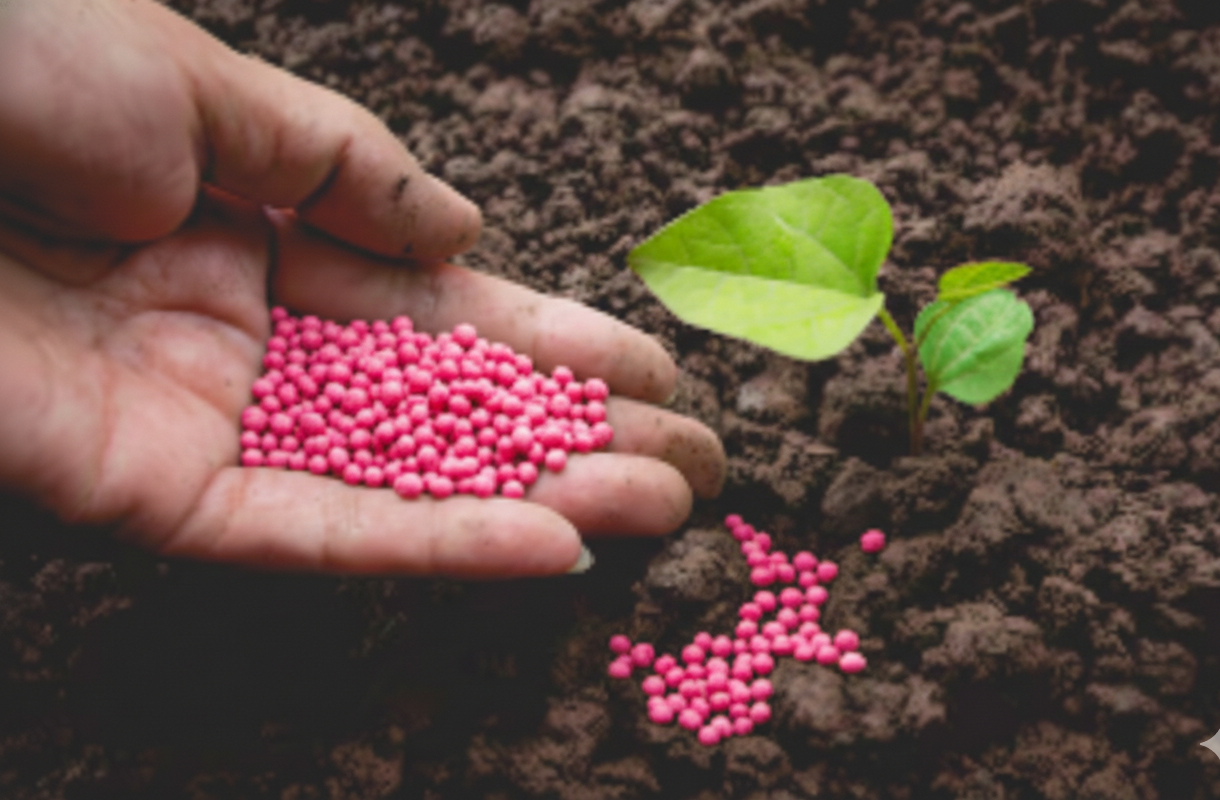
Synthetic fertilizers have played a central role in increasing global agricultural productivity since the mid 20th century. By supplying essential nutrients such as nitrogen (N), phosphorus (P), and potassium (K) in readily available forms, they have enabled farmers to achieve higher yields within limited land areas.
However, excessive and unbalanced application of synthetic fertilizers has contributed to significant soil degradation in many agricultural regions. Soil degradation caused by overuse of synthetic fertilizers is not only an agronomic issue but also an environmental and socio economic concern.
Read also :
Fast Absorbing Chemical Fertilizers : Efficiency or Hidden Risk?
Declining soil fertility, nutrient imbalances, acidification, reduced biological activity, and contamination of water bodies are among the consequences. Addressing this challenge requires a shift from input intensive practices toward more sustainable and balanced nutrient management strategies.
Table of content :
- Understanding Soil Degradation from Excessive Fertilizer Use
- Strategies to Overcome Soil Degradation
- Toward Sustainable Soil Management
- Conclusion
Understanding Soil Degradation from Excessive Fertilizer Use
1. Nutrient Imbalance
Plants require a balanced supply of macro and micronutrients. When farmers apply large amounts of nitrogen based fertilizers without adjusting phosphorus, potassium, and secondary nutrients, soil nutrient balance is disrupted.
According to the Law of the Minimum proposed by Justus von Liebig, plant growth is limited by the nutrient in the shortest supply. Overapplication of one nutrient cannot compensate for the deficiency of others.
Long term imbalance may lead to hidden deficiencies, reduced crop quality, and lower nutrient use efficiency. For example, excessive nitrogen can stimulate rapid vegetative growth but weaken plant structure and reduce resistance to pests and diseases.
2. Soil Acidification
Many nitrogen fertilizers, especially ammonium based forms, contribute to soil acidification over time. During the nitrification process, hydrogen ions are released, lowering soil pH. Acidic soils can:
- Reduce availability of essential nutrients such as phosphorus and molybdenum.
- Increase solubility of toxic elements like aluminum (Al) and manganese (Mn).
- Inhibit root development and microbial activity.
As soil pH declines, farmers often respond by applying even more fertilizers to compensate for reduced nutrient availability, further accelerating degradation.
3. Decline in Soil Organic Matter
Synthetic fertilizers primarily supply nutrients but do not replenish soil organic matter. Continuous reliance on chemical inputs without adding organic materials reduces soil carbon content. As organic matter declines:
- Soil structure becomes compacted.
- Water infiltration decreases.
- Erosion risk increases.
- Beneficial microorganisms decline.
Healthy soil requires organic matter to maintain aggregation, nutrient retention, and biological activity.
4. Reduced Soil Biological Activity
Soil is a living ecosystem. Excessive fertilizer use, particularly when combined with pesticides, can reduce populations of beneficial microorganisms such as nitrogen fixing bacteria and mycorrhizal fungi.
These organisms play crucial roles in nutrient cycling and improving nutrient uptake efficiency. When soil biological activity declines, nutrient transformations slow down, and soil resilience decreases, making crops more dependent on external inputs.
5. Environmental Pollution
Overapplication of synthetic fertilizers often leads to nutrient losses through leaching, runoff, and volatilization. Nitrate leaching contaminates groundwater, while phosphorus runoff contributes to eutrophication in lakes and rivers.
Nitrous oxide (N₂O), a potent greenhouse gas, is also released from soils receiving excessive nitrogen. Soil degradation and environmental degradation are closely interconnected.
Read also :
The Effects of Organic Fertilizers on Soil Structure and Fertility
Strategies to Overcome Soil Degradation
Addressing soil degradation requires integrated nutrient management and long term soil stewardship.
1. Soil Testing and Balanced Fertilization
Regular soil testing is fundamental. Soil analysis provides information about nutrient availability and pH status, allowing farmers to apply fertilizers according to actual crop needs rather than estimation. Balanced fertilization involves:
- Matching nutrient application to crop demand.
- Avoiding excessive nitrogen inputs.
- Including secondary nutrients (Ca, Mg, S) and micronutrients when necessary.
- Adjusting fertilizer types based on soil characteristics.
Precision agriculture technologies can further enhance nutrient use efficiency by applying fertilizers at variable rates across fields.
2. Integrated Use of Organic and Synthetic Fertilizers
Combining organic materials with synthetic fertilizers is one of the most effective approaches to restore soil health. Organic amendments such as compost, manure, and green manure:
- Increase soil organic matter.
- Improve soil structure and porosity.
- Enhance water holding capacity.
- Support microbial populations.
Synthetic fertilizers can still be used but at optimized rates. The integration of both sources ensures immediate nutrient availability while building long-term soil fertility.
3. Liming Acidic Soils
In soils affected by acidification, liming materials such as agricultural lime (calcium carbonate) can be applied to raise soil pH. Proper liming:
- Neutralizes excess acidity.
- Improves nutrient availability.
- Reduces aluminum toxicity.
- Enhances microbial activity.
Liming should be based on soil pH measurements to avoid overcorrection.
4. Crop Rotation and Cover Crops
Diversified cropping systems help restore soil structure and fertility. Leguminous crops can fix atmospheric nitrogen biologically, reducing dependence on synthetic nitrogen fertilizers. Cover crops:
- Protect soil from erosion.
- Add organic matter when incorporated.
- Improve soil aggregation.
- Suppress weeds naturally.
Rotations also break pest and disease cycles, reducing the need for chemical inputs.
5. Conservation Tillage
Reduced or minimum tillage helps preserve soil structure and organic matter. Excessive tillage accelerates organic matter decomposition and increases erosion risk. Conservation practices maintain soil cover and enhance longterm productivity.
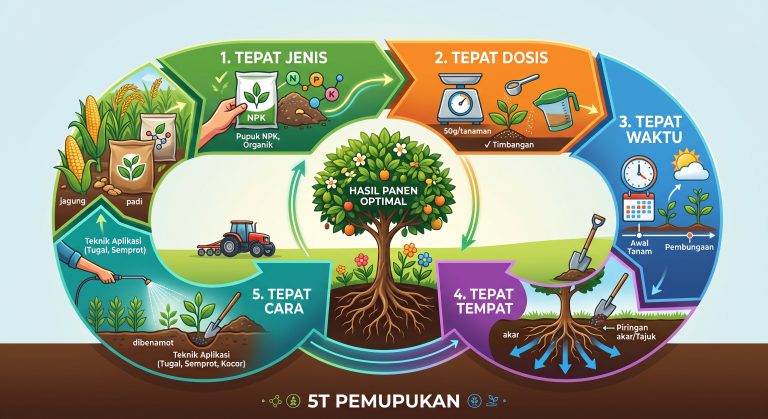
6. Adoption of the 4R Nutrient Stewardship Principle
The concept of applying the right nutrient source, at the right rate, at the right time, and in the right place often referred to as 4R nutrient stewardship promotes efficient fertilizer use. This approach reduces nutrient losses and minimizes environmental impact while maintaining productivity.
7. Policy and Education Support
Government policies and extension services play an essential role in mitigating soil degradation. Support may include:
- Subsidies for soil testing services.
- Incentives for organic matter incorporation.
- Training programs on sustainable fertilization.
- Regulations limiting excessive fertilizer application.
Farmer education is critical. Understanding soil as a living system rather than merely a growth medium encourages responsible management practices.
Toward Sustainable Soil Management
Sustainable soil management requires a long term perspective. Soil degradation caused by excessive synthetic fertilizer use often develops gradually but can take years to reverse.
Transitioning to integrated nutrient management systems improves resilience and reduces input dependency. The goal is not to eliminate synthetic fertilizers entirely but to use them wisely within a holistic soil fertility framework.
Healthy soils provide multiple ecosystem services: nutrient cycling, water regulation, carbon sequestration, and biodiversity support. Protecting soil health ensures food security for future generations.
Conclusion
Excessive use of synthetic fertilizers can lead to nutrient imbalance, soil acidification, decline in organic matter, reduced biological activity, and environmental pollution. These processes contribute to soil degradation and threaten long-term agricultural sustainability.
Mitigating these effects requires balanced fertilization based on soil testing, integration of organic amendments, liming of acidic soils, crop diversification, and adherence to nutrient stewardship principles. By shifting from short term yield maximization to long term soil health management.
The Importance of Fertilizer Efficacy Testing
Beyond ensuring the effectiveness, quality, and performance of fertilizers in promoting plant growth, efficacy testing also helps determine the appropriate fertilizer dosage for long term soil use. Through proper testing, producers can assess the level of product effectiveness while ensuring compliance with applicable standards.
With IML Research, fertilizer efficacy testing is conducted using scientific and reliable methods to support product optimization while helping anticipate and prevent potential soil degradation.
Author: Fachry
Editor : Alphi
References
Fertilizers Europe. (2018). Fertilizer basics: Why we need fertilizers, where they come from, how they work, and how they are used. Brussels: Fertilizers Europe.
Maguire, R., Alley, M., & Flowers, W. (2019). Fertilizer types and calculating application rates. Virginia Cooperative Extension, Virginia Tech.
Purba, T., Situmeang, R., Rohman, H. F., Mahyati, A., Firgiyanto, R., Junaedi, A. S., … Suhastyo, A. A. (2021). Pupuk dan teknologi pemupukan. Medan: Yayasan Kita Menulis.