Why Irritation Testing and Effectiveness Testing of Skincare Products Cannot Be Overlooked?

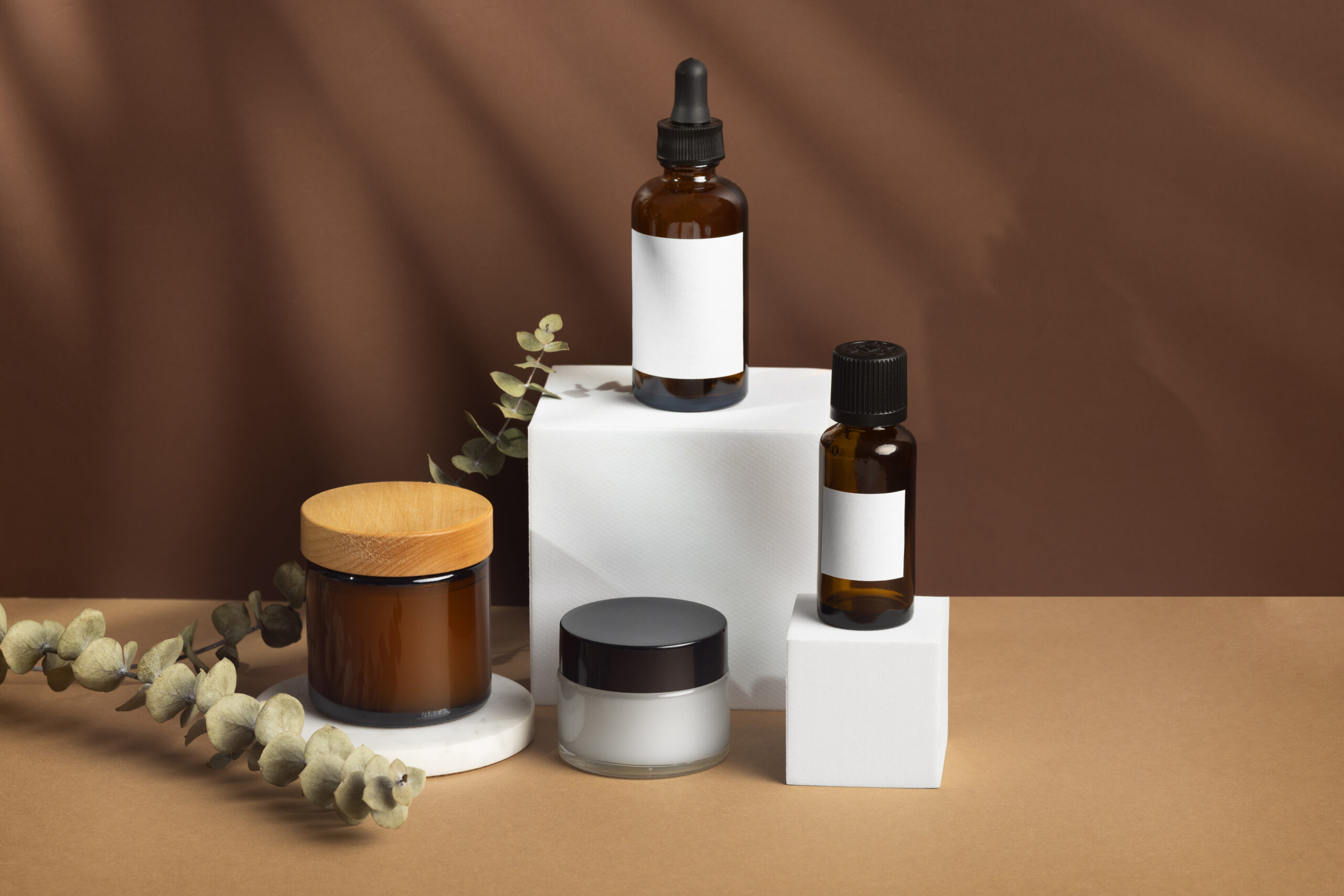
According to the Indonesian Food and Drug Authority (BPOM), cosmetics are substances or mixtures of substances intended to be applied to the external parts of the human body (such as the skin, hair, nails, lips, and other external parts) for the purpose of cleansing, perfuming, changing appearance, protecting, or maintaining body conditions, without being intended to treat diseases.
Cosmetic products include various forms such as creams, lotions, powders, shampoos, perfumes, sunscreens, and others. Skincare products are an important part of cosmetics used to maintain skin health, protect the skin from external factors, and improve skin condition.
The skin is the outermost organ of the body and serves as the primary protective barrier against the external environment, including maintaining water balance and protecting against exposure to irritants and microorganisms. The increasing public interest in skincare has driven the rapid development of products with various benefit claims, such as moisturizing, brightening, anti-aging, and antioxidant effects.
However, despite these benefits, the use of skincare products also carries the potential risk of adverse effects, particularly skin irritation, as many products on the market contain synthetic ingredients.
These substances may cause skin sensitization, leading to irritation or inflammation. Therefore, irritation testing and effectiveness testing are essential steps in evaluating the quality and safety of skincare products.
Irritation Testing of Products Using the Patch Test
Source: freepik.com
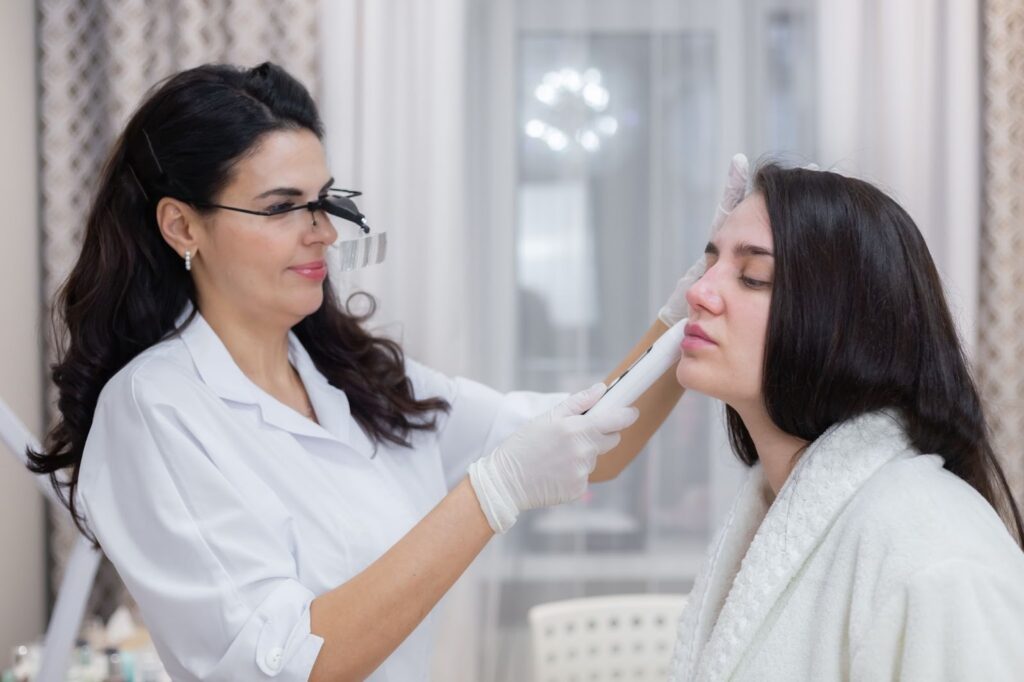
One of the most common methods used to detect potential skin irritation or sensitization reactions caused by exposure to cosmetic ingredients is the patch test. Irritation testing aims to assess the potential of a product to induce adverse skin reactions, such as redness (erythema), stinging, itching, or swelling.
This method is performed by placing the cosmetic product into a patch test chamber, which is then applied to the skin, typically on the upper back or upper arm. The test is conducted for 24–48 hours, after which the patch is removed and the skin is observed for local reactions.
Product Effectiveness Testing
In addition to safety aspects, effectiveness testing is conducted to evaluate the ability of a product to deliver benefits in accordance with its claims. In general, efficacy parameters for skincare products include skin hydration, skin brightness or pigmentation reduction, UV protection (SPF and PA), antioxidant activity, and others.
Testing methods can be carried out through in vitro studies (using cell cultures or artificial media in the laboratory) or in vivo studies (conducted in whole organisms such as animals or humans). In most cases, the effectiveness testing of skincare products is performed in vivo on human volunteers using non-invasive instruments, which involve procedures or devices that do not damage body tissues.
The combination of irritation and effectiveness testing provides a comprehensive evaluation of the overall quality of a skincare product. A product that is effective but causes irritation cannot be considered ideal, and vice versa.
In the cosmetic industry, the results of irritation and effectiveness tests play an important role in supporting product claims, ensuring regulatory compliance, and safeguarding consumer safety. Therefore, cosmetic manufacturers are expected not only to focus on formulation innovation and marketing strategies but also to prioritize scientific evidence through standardized and accountable efficacy testing.
Amid the increasingly competitive skincare industry, claims such as moisturizing, brightening, or anti-aging are no longer sufficient if they appear only on packaging. Consumers are becoming more critical, regulations are becoming stricter, and the market demands clear scientific evidence.
This is where laboratory testing plays a crucial role, not merely as a formality, but as the foundation of product credibility. For cosmetic business owners, irritation and effectiveness testing are not just technical steps, but a strategic safeguard for the brand.
Read more:
3 Recommended Cosmetic Testing Laboratories for Marketing Authorizations!
Accurate data help minimize the risk of complaints, product recalls, and potential legal issues. More importantly, standardized testing results strengthen product claims and enhance consumer trust in the quality of your products.
IML Testing and Research provides irritation testing through patch tests as well as skincare product effectiveness testing using standardized, measurable, and scientifically accountable methods. Supported by an expert team and competent laboratory facilities, each parameter is evaluated comprehensively to ensure product safety and performance before market launch.
Ensure that every claim you make is supported by valid data. Consult your skincare product testing needs with IML Testing and Research to build products that are safe, effective, and trusted in the market.
Author: Jihan
Editor: Sabilla Reza
References:
Badan Pengawas Obat dan Makanan (BPOM) RI. (2024). Peraturan Badan Pengawas Obat dan Makanan Nomor 18 Tahun 2024 Tentang Penandaan, Promosi, dan Iklan Kosmetik. Jakarta: BPOM RI
British Dermatological Nursing Group. (2017). Patch testing: Best practice guidelines. Retrieved at December 19 from https://bdng.org.uk/wp-content/uploads/2017/02/FINAL130117.pdf
Kumar, P., & Paulose, R. (2014). Patch testing in suspected allergic contact dermatitis to cosmetics. Dermatology Research and Practice, 2014. https://doi.org/10.1155/2014/695387