Here Are the Cosmetics That Cause Dark Spots and How to Detect Them Through Efficacy Testing!

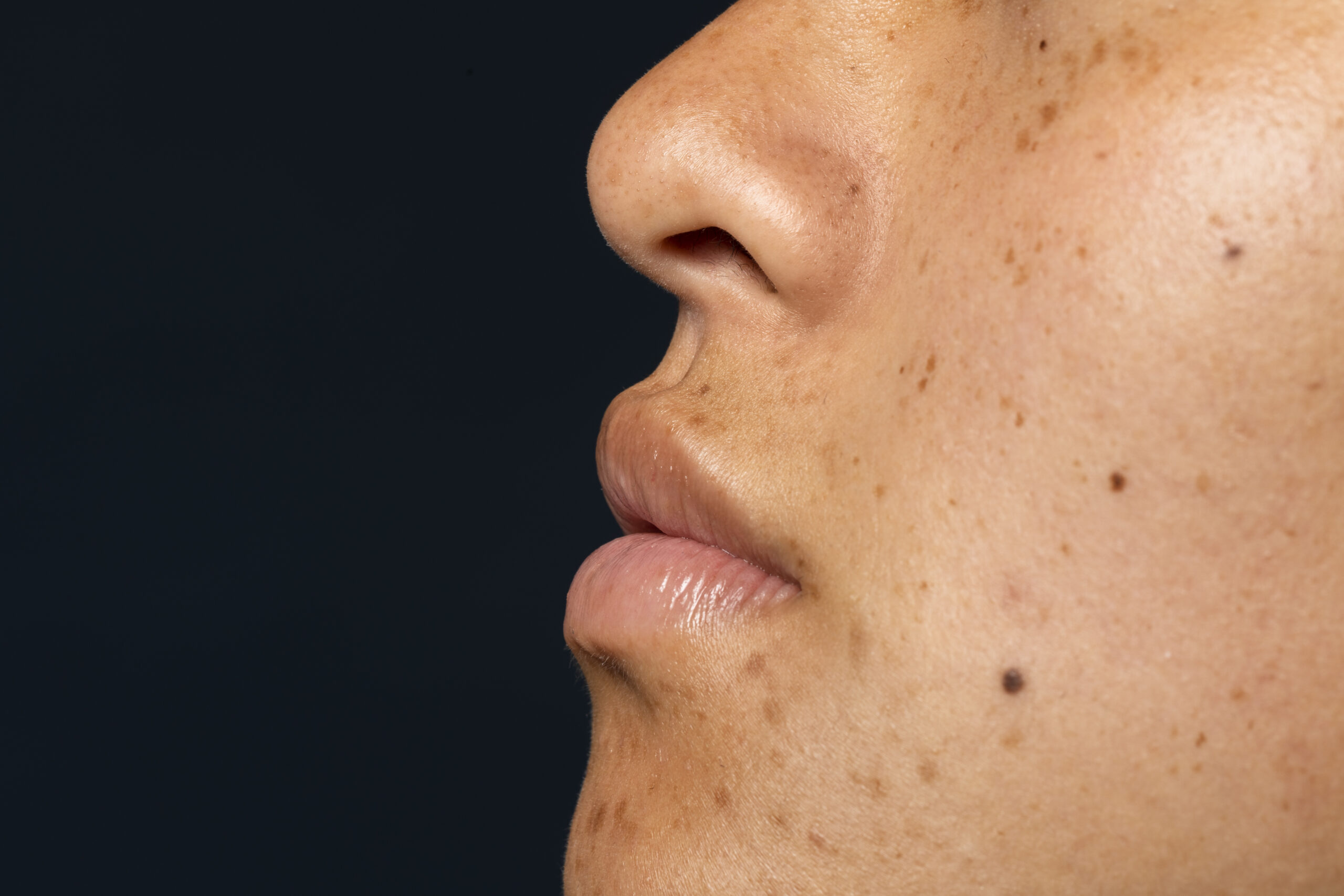
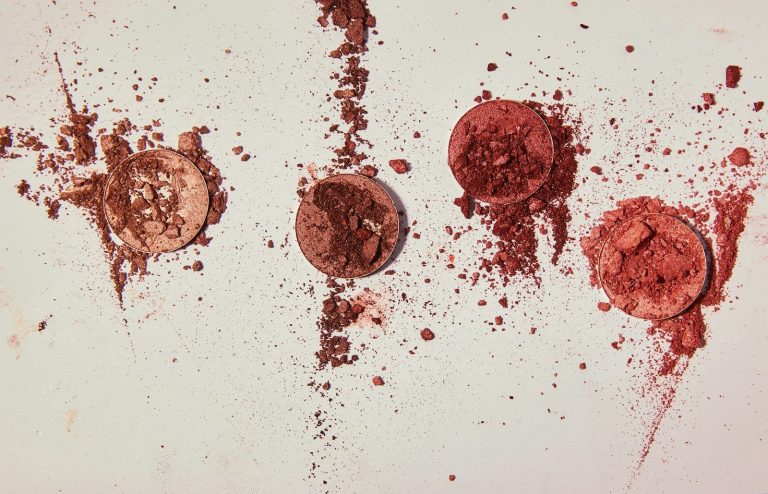
Cosmetics are products used to care for, protect, and enhance the appearance of the skin, especially facial skin. In everyday life, cosmetics function to conceal imperfections such as redness, acne scars, dark spots, or uneven skin tone.
Meanwhile, skin care products are used to improve skin conditions, such as treating acne, dry skin, oily skin, dullness, and signs of premature aging. However, despite these benefits, mistakes in choosing cosmetics and improper methods of use can actually cause new problems, one of which is the appearance of dark spots.
- Cosmetics and the Risk of Dark Spots
- The Dangers of Mercury and Hydroquinone
- The Often-Ignored Role of Sunscreen
- Retinol: Beneficial When Used Correctly
- Common Mistakes in Using Cosmetics
Cosmetics and the Risk of Dark Spots
Dark spots, or hyperpigmentation, occur when melanin production in the skin increases. This condition can be triggered by many factors, ranging from sun exposure and inflammation to improper use of cosmetic products.
Many people are tempted by products that promise instant results, such as whiter and brighter skin in a short time. Unfortunately, these rapid effects often come from harmful ingredients that can damage the skin in the long term.
The Dangers of Mercury and Hydroquinone
One example of harmful cosmetics is products containing mercury. Mercury is often found in illegal whitening creams because it can provide a fast brightening effect.
At first, the skin may appear white and smooth, but mercury actually works by suppressing melanin formation and thinning the skin layers. As a result, the skin becomes very sensitive to sunlight and prone to irritation.
In addition to mercury, hydroquinone is also frequently misused. In the medical field, hydroquinone may be used under a doctor’s supervision in specific concentrations and for a limited period.
However, long-term use or high doses without proper control can cause skin irritation, redness, and even a condition known as ochronosis, which is darkening of the skin that is difficult to treat.
Skin thinning caused by these substances makes the skin photosensitive, so even minimal sun exposure can trigger worsening dark spots.
The Often-Ignored Role of Sunscreen
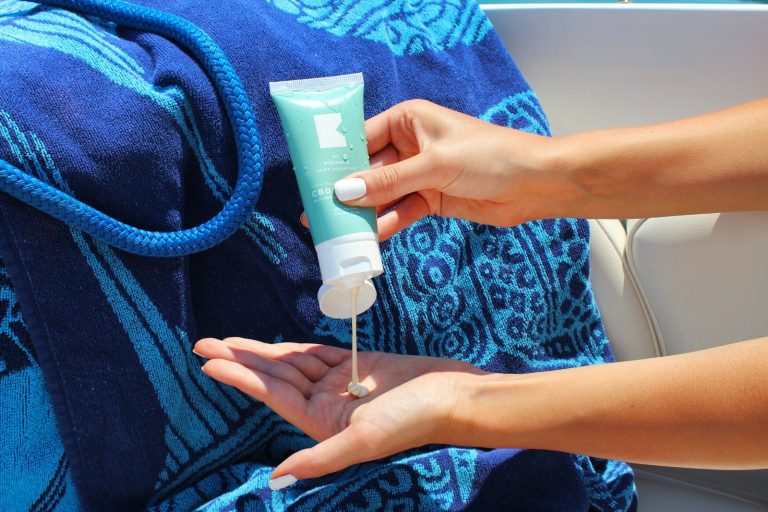
The problem becomes even worse when cosmetic users do not apply sunscreen. Sunscreen functions to protect the skin from UVA and UVB rays, which are the main causes of hyperpigmentation. Without this protection, skin that has already been thinned by harsh or harmful ingredients will suffer damage more quickly. Dark spots can then appear, spread, and become difficult to fade, even when brightening products continue to be used.
Retinol: Beneficial When Used Correctly
Besides harmful ingredients, dark spots can also appear due to improper use of active ingredients that are actually safe, such as retinol. Retinol is known to be effective in treating acne, improving skin texture, and stimulating cell regeneration. When used correctly—starting with low frequency, appropriate dosage, and always followed by sunscreen—the results can be very good.
However, improper use of retinol, such as applying it too frequently, combining it with other harsh active ingredients, or using it without sun protection, can cause irritation. The use of moisturizers is also very important to prevent dryness. Irritated skin can develop inflammation, and when exposed to sunlight, this condition can lead to post-inflammatory hyperpigmentation, which is dark spots caused by inflammation.
Common Mistakes in Using Cosmetics
In addition to product ingredients, the method of use also plays a major role. Using too many active products at once, not allowing the skin time to adapt, and ignoring early reactions such as stinging and burning are common mistakes.
Many people consider these reactions as “signs that the product is working,” when in fact they may be early warning signs of skin damage. It is important to note that everyone’s skin condition is different; therefore, the type of active ingredients, their concentration, and the duration of use should be adjusted accordingly or consulted with a professional beforehand.
The appearance of dark spots caused by cosmetic use is often related to active ingredients, their concentrations, and how the skin responds to specific formulations. Fast results seen at the beginning do not always reflect long-term safety.
Read more:
3 Recommendations for Mandatory Testing Before Cosmetic Products Are Distributed
Therefore, cosmetic laboratory testing is an essential step to ensure that products do not contain high-risk substances and are formulated in accordance with safety standards. Beyond safety, cosmetic benefit claims must also be scientifically proven.
Through cosmetic and skincare efficacy testing at IML Testing and Research, product performance on the skin can be evaluated objectively, ensuring that cosmetics on the market are truly safe, effective, and responsible for consumers.
Author: Delfia
Editor: Sabila Reza
References :
Ferrarini, S., Costa, N. M., & Oliveira, L. T. (2024b). Cosmetics for the treatment of cutaneous hyperpigmentation. Scientific Electronic Archives, 17(4). https://doi.org/10.36560/17420241933
Thawabteh, A. M., Jibreen, A., Karaman, D., Thawabteh, A., & Karaman, R. (2023). Skin Pigmentation Types, Causes and Treatment—A Review. Molecules, 28(12), 4839. https://doi.org/10.3390/molecules28124839