Do Traditional Medicines Contain Pharmaceutical Chemicals? The Importance of Laboratory Testing for Medicinal Products


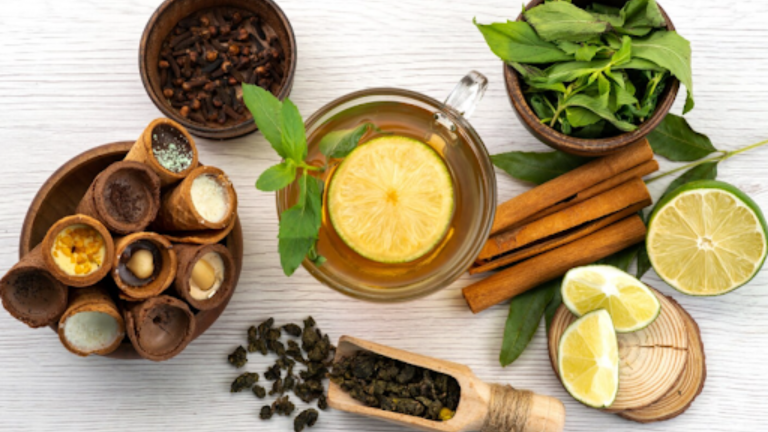
Traditional medicines are materials or formulations derived from plants, animals, minerals, galenic preparations (extracts), or their combinations that have been used for generations to treat illnesses, maintain health, or improve well-being based on empirical experience or scientific evidence. Traditional medicines are divided into three categories: jamu, standardized herbal medicines, and phytopharmaceuticals.
Traditional medicines, especially jamu, have long been an essential part of Indonesia’s public health culture. Many people rely on traditional medicines as an alternative to modern medications because they are perceived as more natural and safer. However, in recent years, a growing number of manufacturers have added pharmaceutical chemicals (BKO) to traditional medicine products to enhance their claimed benefits and create a more immediate “instant effect.”
- What Are Pharmaceutical Chemicals (BKO)?
- Why Is the Addition of BKO to Traditional Medicines Dangerous?
What Are Pharmaceutical Chemicals (BKO)?
Pharmaceutical chemicals, or BKO, are synthetic or chemical active substances typically used in modern medicines for specific therapeutic purposes. These compounds should only be found in medications that have undergone clinical trials, have clear dosage instructions, and are used under medical supervision.
According to Indonesian regulations, traditional medicines must not contain any BKO, as their use may pose significant health risks. At the national level, BPOM has identified dozens of traditional medicine products containing BKO, such as pain relievers (paracetamol, phenylbutazone, dexamethasone), weight-loss agents (sibutramine hydrochloride), and stamina enhancers (sildenafil citrate, tadalafil).
Many of these findings were products circulating without official distribution permits throughout 2025. This indicates that the illegal addition of BKO in traditional medicines remains a persistent issue.
Read more:
3 Categories of Natural Medicines (Traditional Medicines) in Indonesia
Why Is the Addition of BKO to Traditional Medicines Dangerous?
The inclusion of BKO in traditional medicines is extremely dangerous because these substances do not undergo proper formulation, dosage control, or medical supervision. Several reasons explain why this practice poses serious health risks:
- Significantly increased toxicity risks
BKO such as sibutramine and phenylbutazone can cause severe side effects, ranging from cardiovascular disorders and hypertension to liver damage and kidney failure. A systematic review involving 28 countries reported that the use of adulterated herbal products with synthetic drugs was associated with serious toxicity incidents. - Hidden and unexpected side effects
Consumers often believe traditional medicines are purely natural. A study conducted in Malaysia showed that more than 50% of serious adverse events related to traditional medicines were linked to products adulterated with steroid medications, NSAIDs, or sildenafil, none of which were declared on the label. - Long-term systemic effects
The addition of steroid drugs to traditional medicines may increase the risk of metabolic disorders and organ damage, even when taken unknowingly by the user. - High risk of drug interactions
Using multiple medications increases the likelihood of harmful interactions. Interactions between sildenafil or tadalafil and antihypertensive drugs, or between sibutramine and antidepressants, can trigger life-threatening conditions such as serotonin syndrome, hypertensive crisis, or severe hypotension.
The addition of BKO to traditional medicines is dangerous because it can lead to acute toxicity, chronic side effects, serious drug interactions, and even death, all occurring without the user being aware of the product’s true contents. Efforts to prevent the circulation of BKO-contaminated traditional medicines require not only strong regulatory oversight but also continuous public education.
Additionally, the use of reliable analytical methods, such as high-performance liquid chromatography, thin-layer chromatography, and other techniques is essential to accurately detect the presence of BKO in traditional medicine products.
To prevent the circulation of traditional medicines containing pharmaceutical chemicals and to protect consumers from serious health risks, laboratory testing is an essential step that cannot be overlooked. Detecting pharmaceutical adulterants requires precise and reliable analytical methods to accurately identify hazardous substances before products enter the market.
IML Testing and Research provides laboratory testing services for traditional medicines to detect the presence of pharmaceutical chemicals using standardized analytical methods, such as chromatography, in line with regulatory requirements. Through comprehensive, accurate, and defensible testing, these services help manufacturers, distributors, and other stakeholders ensure product safety and compliance with BPOM regulations.
Author: Jihan
Editor: Sabilla Reza
References:
Alyas A. A., Aldewachi H., Aladul M. I. (2024). Adulteration of herbal medicine and its detection methods. Pharmacogn. J. 16 (1), 248–254. 10.5530/pj.2024.16.36
Ariffin, S. H., A Wahab, I., Hassan, Y., & Abd Wahab, M. S. (2021). Adulterated Traditional-Herbal Medicinal Products and Its Safety Signals in Malaysia. Drug, healthcare and patient safety, 13, 133–140. https://doi.org/10.2147/DHPS.S305953
BPOM. (2025). BPOM Cegah Peredaran 61 Jenis Obat Bahan Alam Mengandung Bahan Kimia Obat Sebagai Upaya Perlindungan Terhadap Kesehatan Masyarakat. Retrieved on December 12, 2025 from https://www.pom.go.id/siaran-pers/bpom-cegah-peredaran-61-jenis-obat-bahan-alam-mengandung-bahan-kimia-obat-sebagai-upaya-perlindungan-terhadap-kesehatan-masyarakat
BPOM. (2025). BPOM Ungkap 18 Produk Bahan Alam dan Suplemen Kesehatan Ilegal dan Mengandung BKO Periode Juli 2025. Retrieved on December 12, 2025 from https://www.pom.go.id/siaran-pers/bpom-ungkap-18-produk-bahan-alam-dan-suplemen-kesehatan-ilegal-dan-mengandung-bko-periode-juli-2025
BPOM. (2023). Peraturan Badan Pengawas Obat dan Makanan Nomor 25 Tahun 2023 Tentang Kriteria dan Tata Laksana Registrasi Obat Bahan Alam. Jakarta : BPOM RI