Understanding the Difference Between Seeds and Grain through Seed Laboratory Testing

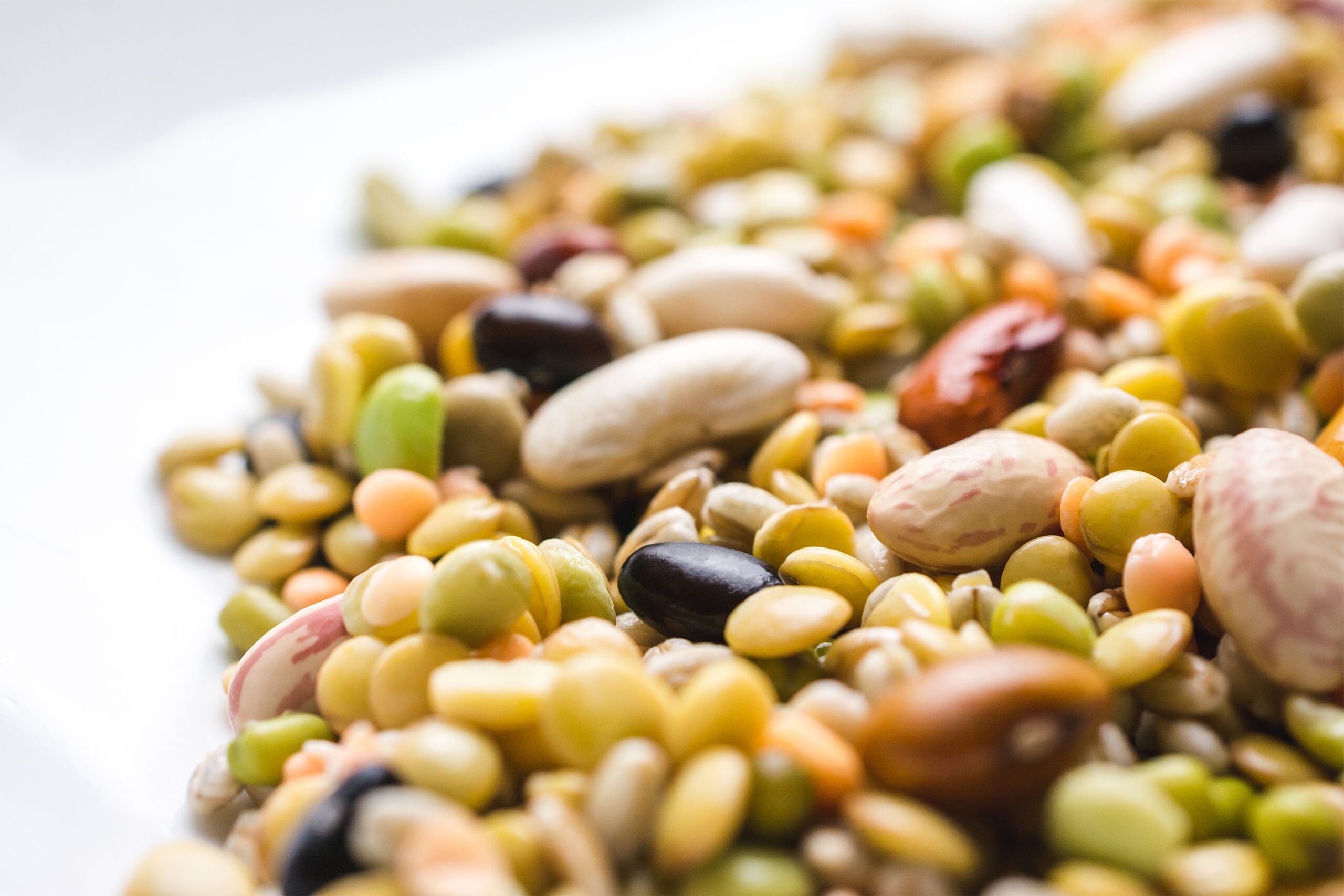
In everyday agricultural practice, the terms seed and grain are often used interchangeably. Although both come from plants and share similar physical structures, their functions and roles in agriculture are different. Understanding the distinction between seed and grain is important for farmers, students, and anyone involved in crop production, as it directly influences planting success and the quality of agricultural outputs.
- Definition of Grain
- Definition of Seed
- Key Differences Between Grain and Seed
- Why the Distinction Matters?
Definition of Grain
Grain refers to any mature, dry fruit or seed harvested for consumption, processing, or trade. It is mainly used as food for humans, feed for livestock, or raw material for industry. Grain emphasizes its value as a commodity rather than its role in producing new plants.
Grains must be clean, dry, and have good storage quality, but they do not need to meet strict standards for germination or purity. For example, rice, corn, wheat, and soybeans stored for food are all categorized as grain. They may still germinate, but this capability is not the primary requirement.
Definition of Seed
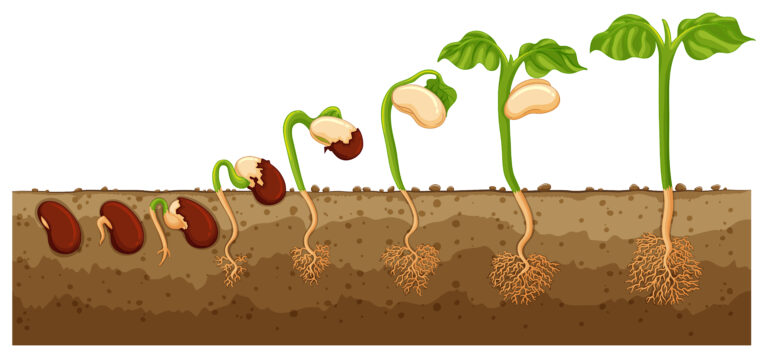
Seed is grain that has been specifically processed, selected, and treated to grow into a new plant. Seed must meet strict standards, including high germination percentage, genetic purity, and freedom from pests and diseases. The purpose of seed is to ensure healthy and uniform plant growth in the field.
Seed production goes through a controlled system, including field inspection, cleaning, drying, grading, germination testing, and certification. This ensures that the seed is reliable and capable of producing optimal yields.
Key Differences Between Grain and Seed
1. Purpose of Use
- Seed: Used for planting and crop production. The priority is growth ability.
- Grain: Used for consumption, feed, or industry. Growth ability is not required.
2. Quality Standards
- Seed: Must meet official quality standards, such as high germination capacity, physical purity, genetic purity, and health standards.
- Grain: Must meet standards for food or feed, including cleanliness and storage quality, but not germination.
3. Processing and Handling
- Seed: Processed carefully to avoid damage, cleaned thoroughly, graded by size, and treated with fungicides or insecticides.
- Grain: Processed mainly for storage and consumption, often involving milling, drying, or packaging.
4. Genetic Purity
- Seed: Must maintain the true characteristics of a variety. Any mixture of varieties is strictly avoided.
- Grain: Mixing varieties is generally acceptable as long as it does not affect its use as food or feed.
5. Price and Economic Value
- Seed: Has higher economic value because of the strict production process and certification.
- Grain: Usually cheaper because it does not undergo quality testing for planting purposes.
6. Viability and Germination
- Seed: Must have high viability, meaning it must be alive and capable of producing healthy seedlings.
- Grain: Does not require viability; even damaged or aged grain is acceptable for consumption.
7. Certification
- Seed: Must be certified by seed authorities to guarantee quality.
- Grain: No certification required unless for specific food safety standards.
Examples in Agriculture
- A sack of corn harvested for food is grain.
- If the same corn is selected, tested, and certified, it becomes seed.
- Rice sold for consumption is grain.
- Rice produced in controlled seed fields and tested for germination is seed.
These examples illustrate that the difference lies not in the type of plant but in the purpose and processing.
Why the Distinction Matters?
Using grain instead of certified seed can lead to:
- Low and uneven germination.
- Higher risk of disease and pests.
- Poor crop uniformity.
- Lower yields.
On the other hand, using certified seed ensures consistent growth and higher productivity, making it an essential factor in modern agriculture.
Conclusion
While seed and grain may look similar, they serve different roles in agriculture. Seed is specially prepared for planting, backed by strict quality standards and certification.
Grain, however, is primarily intended for consumption and does not require high germination or purity. Understanding these differences helps ensure successful crop production and better management decisions in agriculture.
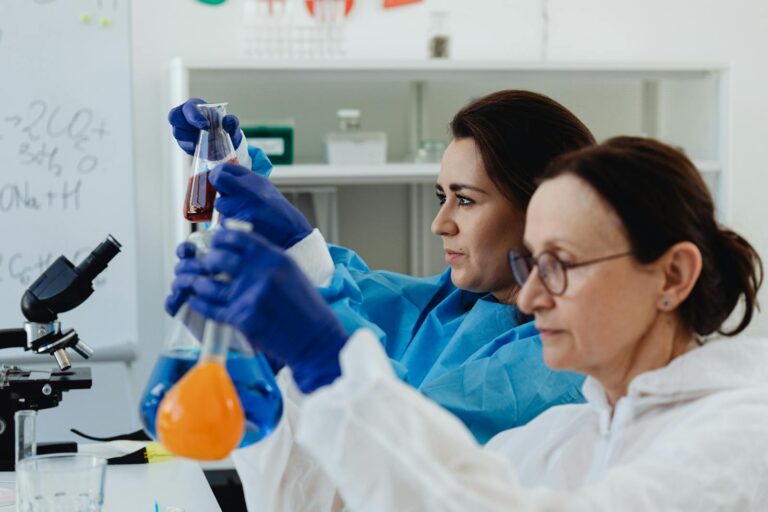
Before seeds are distributed and used on a wide scale, laboratory testing plays a crucial role in ensuring their quality and reliability. Seed laboratory testing is conducted to verify that seeds meet required standards for germination rate, safe moisture content for storage, physical and genetic purity, and freedom from plant pathogens or harmful organisms.
Without proper testing, seeds may have reduced viability, uneven growth performance, or even become a source of plant disease transmission in the field. Therefore, laboratory testing is not merely a technical step, but also a form of protection for farmers, seed producers, and the long-term sustainability of agricultural systems.
To ensure that distributed seeds meet quality standards, are safe, and ready for planting, laboratory testing is an essential step that should not be overlooked. IML Testing and Research provides seed testing services to support quality control, certification, and seed safety prior to commercialization, through accurate, reliable, and standards-based laboratory testing services.
Author: Fachry
Editor: Sabilla Reza
References
Lesilolo, M. K. (2013). Dasar-dasar Ilmu dan Teknologi Benih. Jurnal Agrologia, 2(1), 1–7.
Sadjad, S. (1994). Ilmu Benih. Jakarta: PT Raja Grafindo Persada.
Nazara, R. V., Harefa, K. S. E., Dewi, A. P. N., Ninasari, A., Arini, N., Syafi, S., Murrinie, E. D., et al. (2024). Ilmu dan Teknologi Benih. Padang: CV Hei Publishing Indonesia.
Panggabean, E. L. (2020). Teknologi Benih. Medan: Universitas Sumatera Utara Press.