How the Seed Formation Process in Plants Determines Seed Quality?

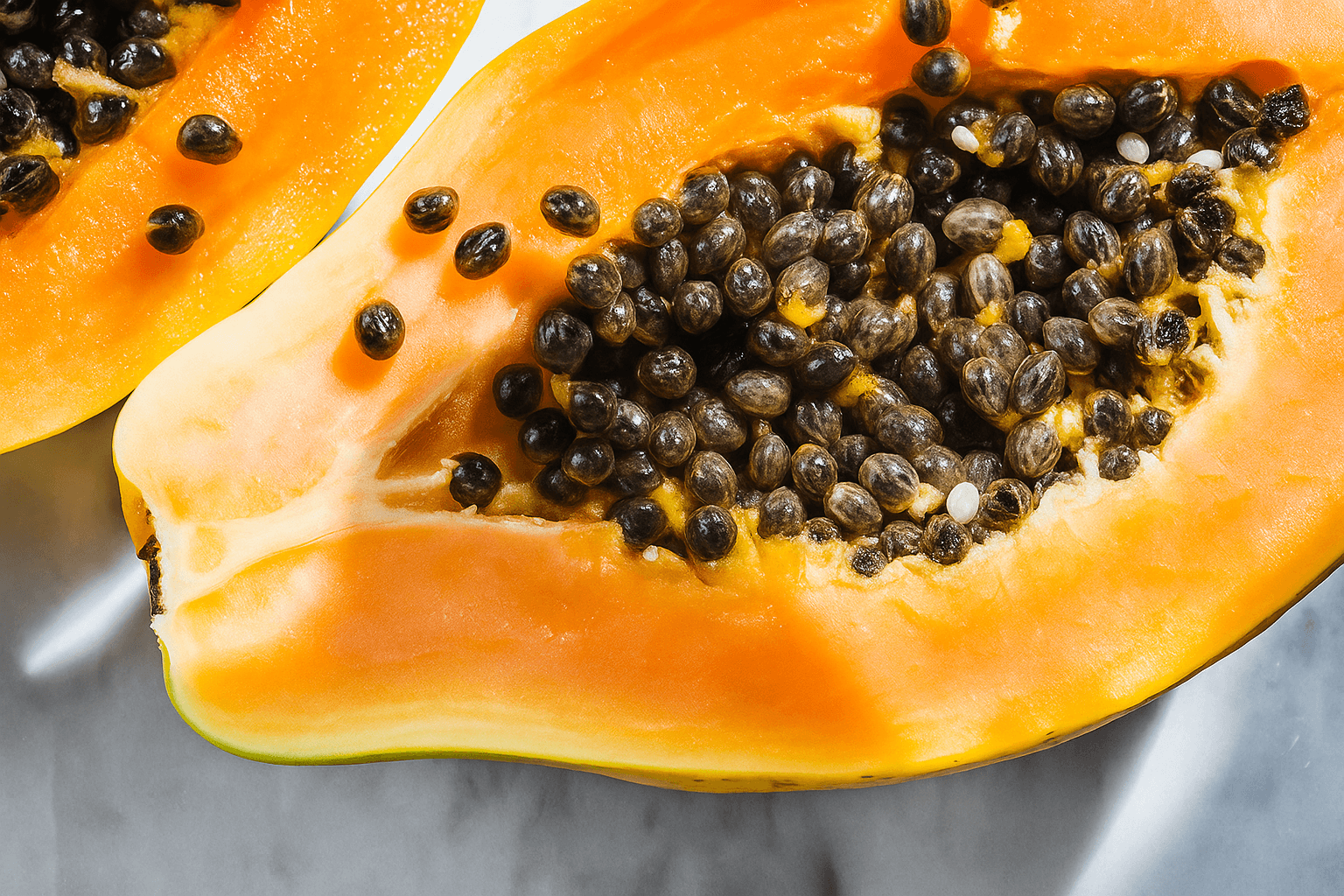
The formation of seeds is a crucial stage in the life cycle of plants, as it ensures the continuation of plant generations. Seeds serve as the main reproductive units that carry the genetic characteristics of the parent plant. The process of seed formation involves several biological stages, including flower formation, pollination, fertilization, embryo development, seed maturation, dormancy, and germination.
1. Flower Formation
The flower is the reproductive organ of a plant, functioning to produce male and female gametes. A perfect flower consists of stamens (male organ) and pistils (female organ). The stamen bears an anther, which produces pollen grains, while the pistil contains the ovule, which holds the egg cell. This stage marks the readiness of the plant for sexual reproduction and the beginning of seed formation.
2. Pollination
Pollination is the process of transferring pollen grains from the anther to the stigma of the pistil. Based on the origin of the pollen, pollination is classified into:
- Self-pollination, which occurs when pollen from a flower fertilizes the stigma of the same flower or another flower on the same plant.
- Cross-pollination, which happens when pollen comes from a different but compatible plant.
Pollination may occur naturally with the help of wind, insects, water, or artificially by human intervention. Once the pollen lands on the stigma, it germinates and produces a pollen tube that grows down through the style toward the ovule, enabling the transfer of male gametes.
3. Fertilization
Fertilization takes place when the sperm nucleus fuses with the egg cell nucleus inside the ovule. In flowering plants, a double fertilization process occurs: one sperm nucleus unites with the egg cell to form a zygote (embryo), while the other fuses with the polar nuclei to form the endosperm, which acts as a nutrient reserve for the developing embryo. This stage marks the beginning of seed development.
4. Embryo Development and Seed Coat Formation
After fertilization, the zygote develops into an embryo, and other parts of the ovule transform into different seed structures:
- Embryo: The young plant-to-be, consisting of the radicle (embryonic root), plumule (embryonic shoot), and cotyledons (seed leaves).
- Endosperm: A tissue that stores food in the form of starch, proteins, and fats. In crops like corn, rice, and wheat, the endosperm provides essential nutrients for the embryo.
- Seed coat (testa): Derived from the integument of the ovule, the seed coat becomes hardened to protect the embryo from mechanical injury, dehydration, and pathogens.
5. Seed Maturation
The final stage of seed formation is maturation. During this phase, the seed undergoes dehydration, the embryo tissues harden, and metabolic activities decrease. The seed reaches a dormant state, characterized by low moisture content (around 10–15%), enabling it to survive for extended periods before germination. The color and texture of the seed coat change, signaling that the seed is fully mature and ready for dispersal.
6. Seed Dispersal and Dormancy
Once mature, seeds are dispersed through various means—wind, water, animals, or human activities. Some seeds undergo dormancy, a resting state that prevents germination even when environmental conditions are favorable. Dormancy ensures that seeds germinate at the right time, increasing the survival chances of the emerging seedlings.
7. Germination
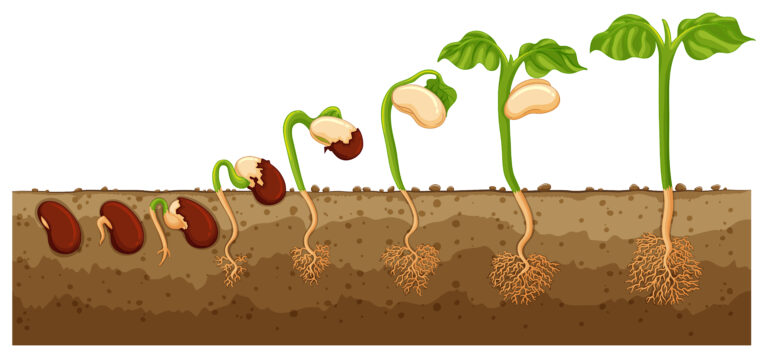
Germination marks the continuation of seed development. When favorable conditions such as adequate water, temperature, and oxygen are available, the seed absorbs water (imbibition), activating enzymes and resuming metabolic activity. The radicle emerges first to form the root, followed by the plumule, which develops into the shoot and the first leaves. This process marks the beginning of a new plant’s life.
Importance of the Seed Formation Process
The process of seed formation plays a vital role in the survival and propagation of plants. Seeds are not only the main means of reproduction but also a key factor in agriculture and food production. They serve as the foundation for developing high-quality seed technology, ensuring physiological, genetic, and physical purity before planting. Understanding this process is therefore essential for both scientists and farmers to improve crop productivity and sustainability.
Conclusion
Seed formation in plants involves a series of interconnected stages, from flower development, pollination, and fertilization to embryo growth and seed maturation. Each stage is fundamental for ensuring the continuity of plant species.
A thorough understanding of this process is crucial in agricultural science and seed technology since the quality of seeds determines the success of crop production and the sustainability of future plant generations. For seed producers, a successful seed formation process does not end with seeds that appear biologically complete.
Before seeds can be marketed, the quality resulting from this process must be proven objectively and consistently. Seeds intended for commercial distribution must demonstrate optimal embryo development, adequate germination capacity, and uniform physical and physiological quality across batches.
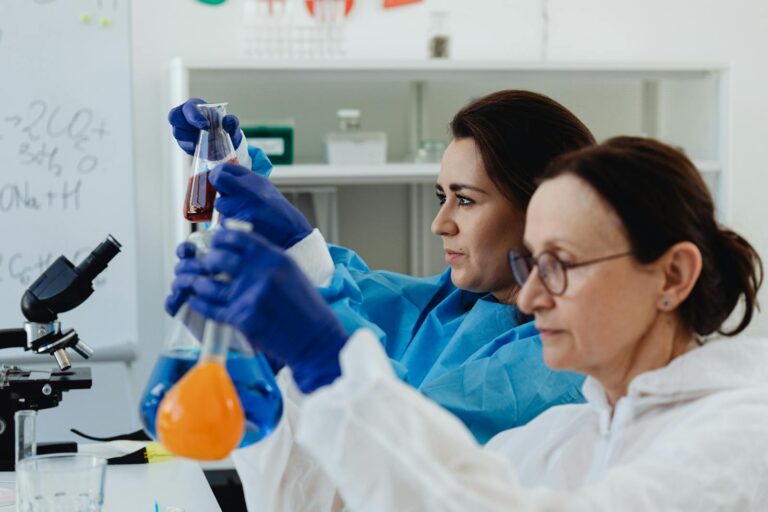
To ensure these requirements are met, laboratory seed testing becomes a critical step prior to market release. Laboratory seed testing enables producers to scientifically validate product quality and strengthen market confidence.
Through tests such as germination rate, vigor, moisture content, and physical purity, producers can ensure that the seeds offered for sale comply with established quality standards. Conduct laboratory seed testing before commercialization to ensure your seeds are not only ready for planting, but also ready for the market.
Author: Fachry
Editor: Sabilla Reza
References:
Lesilolo, M. K. (2013). Dasar-dasar Ilmu dan Teknologi Benih. Jurnal Agrologia, 2(1), 1–7.
Sadjad, S. (1994). Ilmu Benih. Jakarta: PT Raja Grafindo Persada.
Nazara, R. V., Harefa, K. S. E., Dewi, A. P. N., Ninasari, A., Arini, N., Syafi, S., Murrinie, E. D., et al. (2024). Ilmu dan Teknologi Benih. Padang: CV Hei Publishing Indonesia.
Panggabean, E. L. (2020). Teknologi Benih. Medan: Universitas Sumatera Utara Press.