Preservative Effectiveness Test: An Important Step to Keep Products Clean and Safe


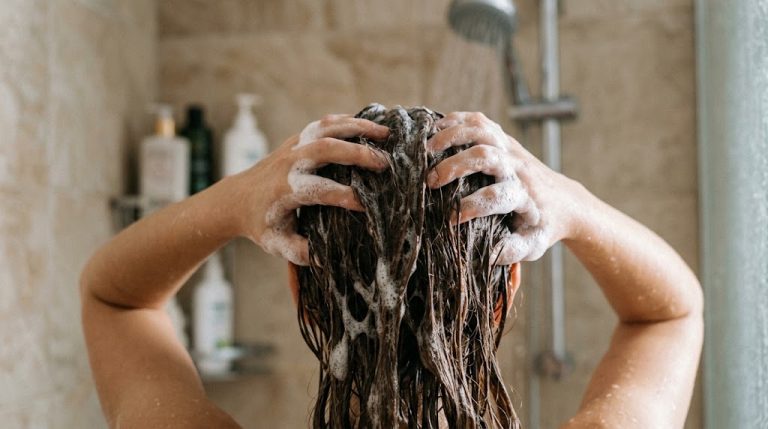
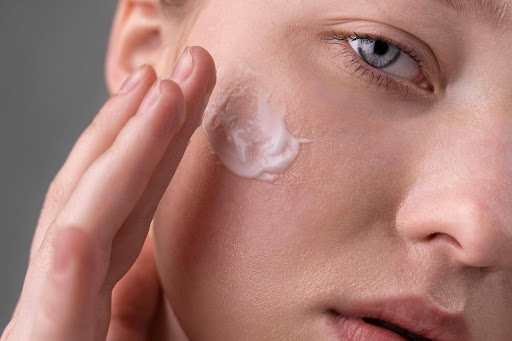
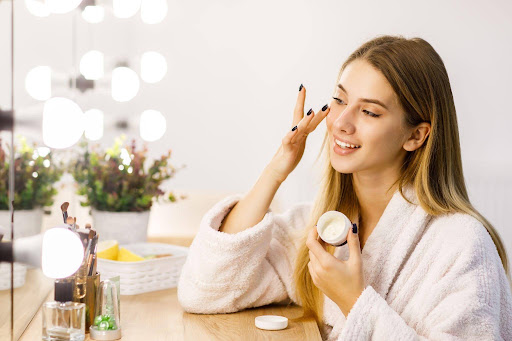
Beauty and personal care products have become increasingly popular among the public today, along with a growing awareness of the importance of maintaining health and appearance. Various types of skincare and beauty products are formulated using active ingredients and water, which are easily contaminated by microorganisms such as bacteria and fungi.
When these microorganisms contaminate a product, they can reduce its quality, shorten its shelf life, and even pose health risks to humans. Therefore, to prevent the growth of microorganisms that may accidentally enter the product during repeated use, antimicrobial preservatives must be added.
- What Are Antimicrobial Preservatives?
- How Do Antimicrobial Preservatives Work?
- Preservative Effectiveness Testing
What Are Antimicrobial Preservatives?
Antimicrobial preservatives are substances added to everyday products, such as cosmetics, medicines, food, or skincare, to prevent the growth of microorganisms. These microorganisms (bacteria and fungi) can cause contamination that leads to product spoilage, discoloration, unpleasant odors, or even health hazards.
Without antimicrobial preservatives, products containing water, natural ingredients, or organic compounds would easily become breeding grounds for microbes during storage or use. Antimicrobial preservatives serve several functions: preventing the growth of contaminating microbes, extending product shelf life, maintaining product safety and quality during use, and protecting users from infections caused by pathogenic microorganisms.
Preservatives are generally divided into two types: synthetic (chemical) and natural preservatives.
- Synthetic preservatives are chemically produced substances such as parabens, phenoxyethanol, benzyl alcohol, and formaldehyde, which are highly effective even at low concentrations.
- Natural preservatives, on the other hand, are derived from plant extracts, organic materials, or essential oils, such as rosemary extract, green tea, cinnamon, benzoic acid, and sorbic acid. Natural preservatives are considered safer and more environmentally friendly, but they tend to be less effective than synthetic ones.
How Do Antimicrobial Preservatives Work?
In general, both synthetic and natural antimicrobial preservatives work through several mechanisms to prevent spoilage and extend product shelf life:
- Damaging microbial cell walls. Preservatives such as phenols and organomercurial compounds destroy the microbial cell membrane, causing leakage of cellular contents and resulting in cell death.
- Cross-linking with cellular proteins. For example, glutaraldehyde forms bonds within microbial proteins, disrupting cell function and leading to cell death.
- Disrupting cell membrane integrity. Some preservatives damage the stability of microbial membranes, making them leaky and nonfunctional.
- Inhibiting folic acid synthesis. Preservatives like parabens and benzoic acid interfere with the microbial synthesis of folic acid, an essential component for DNA formation and cell growth, thereby inhibiting microbial proliferation.
Preservative Effectiveness Testing
Before beauty products receive market authorization from regulatory agencies, they must undergo a series of safety and quality tests. One crucial aspect evaluated is microbiological safety, especially for products containing water and natural ingredients that are prone to microbial growth.
To ensure that products remain safe during storage and use, a preservative effectiveness test is conducted by certified testing institutions. This test, commonly known as the Antimicrobial Effectiveness Test (AET), involves adding a known concentration of test microorganisms into the product, then counting the number of surviving microbes over time(typically on days 2, 7, 14, and 28) using colony-counting methods on agar media.
The goal is to determine whether the product can kill or inhibit the growth of bacteria and fungi throughout the testing period. The microorganisms used are standard pathogenic species recommended by international guidelines, including Pseudomonas aeruginosa, Staphylococcus aureus, Candida albicans, and Aspergillus niger/brasiliensis.
Read more:
Do Cosmetics Contain Preservatives? Facts You Might Not Know!
Antimicrobial preservatives are essential components in cosmetic formulations to maintain product quality and safety during storage and use. Without preservatives, beauty products such as creams, serums, or lotions could easily become breeding grounds for bacteria and fungi that are harmful to the skin. Therefore, the use of preservatives must be safe, standardized, and within appropriate limits.
This is where preservative efficacy testing becomes a critical factor, not only to meet regulatory requirements but also to ensure that the product formulation can truly maintain safety throughout its shelf life and period of use. Claims such as “safe” or “long-lasting” are not sufficient without measurable laboratory testing data.
Through preservative efficacy testing, manufacturers can evaluate whether the preservative system works optimally against test bacteria and fungi, while also minimizing the risk of product quality degradation during repeated consumer use. If you want to ensure that the personal care or cosmetic products you develop remain safe, stable, and compliant with standards, preservative efficacy testing at an accredited laboratory is an essential step.
IML Testing and Research provides preservative efficacy testing services using comprehensive, accurate, and reliable methods to support the safety of your products before they reach the market. Make sure your product quality is backed by scientific data, not assumptions.
Author: Safira
Editor: Sabilla Reza
References:
Moser, C. L., & Meyer, B. K. (2011). Comparison of compendial antimicrobial effectiveness tests: A review. AAPS PharmSciTech, 12(1), 222–226. https://doi.org/10.1208/s12249-010-9575-9
Patil, A., & Khan, N. (2023). A review on microbial control and preservatives of cosmetics. International Journal of Research in Pharmacy and Allied Science (IJRPAS), 2(6), 1–15. Ideal Publication. ISSN: 2583-654413.