Why Sensitive Scalp Care Products Must Be Proven Through Laboratory Testing?


Sensitive skin is characterized by the appearance of uncomfortable sensations such as stinging, burning, pain, itching, and tingling in response to stimuli. Ideally, the skin should not produce such sensations.
A sensitive scalp is defined as the presence of abnormal and unpleasant sensory reactions such as itching, stinging, tightness, pain, and burning in response to environmental stimuli, without clear clinical signs of inflammation.
Although these symptoms are often found in various scalp conditions, it is important to note that individuals may experience these sensations even in the absence of any underlying skin disease.
- Types of Sensitive Scalp Based on Clinical Conditions
- Symptoms and Mechanisms Underlying Scalp Sensitivity
- Environmental Influences and Product Formulation
- Characteristics of Active Ingredients for Sensitive Scalp
- Long-Term Protection Strategies for Sensitive Scalp
Types of Sensitive Scalp Based on Clinical Conditions
Several researchers classify sensitive scalp into two types: primary sensitive scalp and secondary sensitive scalp.
- Primary Sensitive
Primary sensitive scalp refers to sensitivity symptoms that occur without any known scalp disorder. - Secondary Sensitive
Secondary sensitive scalp refers to sensitivity symptoms that appear alongside pre-existing skin conditions, such as seborrheic dermatitis, psoriasis, or hair loss.
Although both types share similar symptoms, they differ in their underlying causes and treatment strategies.
Symptoms and Mechanisms Underlying Scalp Sensitivity
The main symptoms of scalp sensitivity are similar to those found in sensitive skin on other parts of the body and generally include itching, stinging, tightness, pain, and a burning sensation. Scalp itching can be caused by various factors. Currently, these conditions are classified into several categories based on their underlying causes:
- Dermatological, such as seborrheic dermatitis or psoriasis
- Neuropathic, such as diabetic neuropathy, postherpetic neuralgia, or small fiber neuropathy
- Systemic, such as chronic kidney disease, liver disorders, and blood cancers Psychogenic, such as anxiety or delusional parasitosis
Environmental Influences and Product Formulation
Individuals with sensitive scalp generally have a lower threshold for external stimuli, making them more susceptible to environmental triggers such as temperature changes, pollution, and hair care products. Hair care is one of the most critical factors, as the ingredients in hair products greatly affect scalp condition.
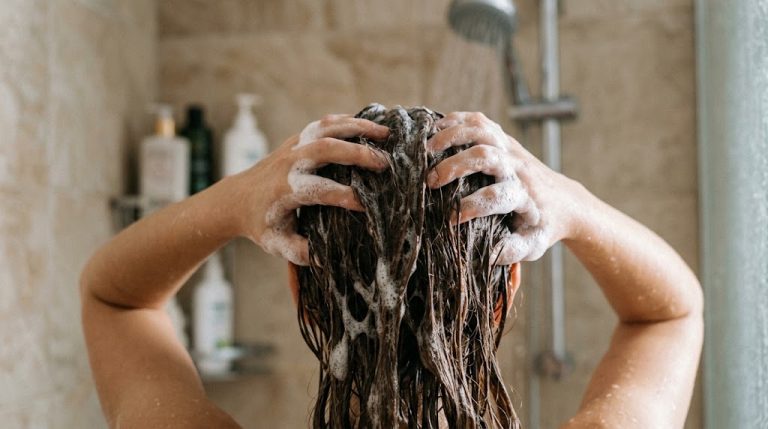
Many modern shampoos, conditioners, serums, and hair oils contain strong surfactants or aggressive cleansing agents that can strip the scalp’s natural protective barrier, triggering irritation, redness, stinging, and inflammation. In general, consumers are still not fully aware of the importance of understanding the composition of the hair care products they use.
In fact, having a basic understanding of one’s own scalp condition is the first step toward maintaining scalp health. By identifying whether the scalp is dry, oily, sensitive, or dandruff-prone, individuals can choose products that suit their scalp’s needs. Being selective in product choice not only helps alleviate sensitive scalp symptoms but also supports the natural balance of the scalp microbiome, allowing hair to grow healthier and stronger from the roots.
Characteristics of Active Ingredients for Sensitive Scalp
Currently, many products are specifically formulated for sensitive scalp using soothing and protective ingredients such as :
- panthenol (pro-vitamin B5),
- aloe vera, allantoin,
- oat extract, and
- niacinamide, which help calm irritation and strengthen the scalp’s protective barrier.
Read more:
5 Benefits of Conducting Active Ingredient Testing for Skincare in a Testing Laboratory
Long-Term Protection Strategies for Sensitive Scalp
In addition, mild surfactants such as sodium cocoyl isethionate or sodium lauroyl sarcosinate can serve as alternative cleansers that remain effective without causing dryness or a tight sensation. The use of sulfate-free, alcohol-free, and low-fragrance formulations is also highly recommended.
By understanding scalp needs and selecting appropriate ingredients, we can not only prevent sensitivity from worsening but also create a healthy foundation for strong, shiny, and naturally protected hair growth. Sensitive scalp demonstrates that the comfort and safety of hair care products are highly dependent on formulation quality and the concentration of active ingredients used.
Ingredients such as panthenol, niacinamide, and aloe vera are widely recognized for their soothing properties, but their effectiveness is strongly determined by appropriate concentration levels and formulation stability within the product. Without laboratory testing, claims such as “safe for sensitive scalp” or “soothing to the scalp” risk lacking adequate scientific evidence.
Ensure that the shampoo or hair care products developed by your business are formulated with the correct levels of active ingredients and proven efficacy. Through laboratory services for active ingredient concentration testing and product effectiveness testing, you can ensure that your product claims are supported by accurate and accountable data.
Conduct accredited laboratory testing, such as at IML Testing and Research, as a strategic step toward delivering hair care products that are safe, effective, and trustworthy for consumers.
Author: Delfia
Editor: Sabilla Reza
References :
Guerra-Tapia, A.; González-Guerra, E. Sensitive Scalp: Diagnosis and Practical Management. Actas Dermo-Sifiliogr. 2023, 114, 141–146.
Misery, L.; Ständer, S.; Szepietowski, J.C.; Reich, A.; Wallengren, J.; Evers, A.W.; Takamori, K.; Brenaut, E.; Le Gall-Ianotto, C.; Fluhr, J.; et al. Definition of Sensitive Skin: An Expert Position Paper from the Special Interest Group on Sensitive Skin of the International Forum for the Study of Itch. Acta Derm. Venereol. 2017, 97, 4–6.
Yan, Xiaoxi et al. 2025. Evaluation, Symptoms, Influencing Factors, and Prospects of Sensitive Scalp: A Literature Review. Cosmetic dermatology. 12(6), 236.