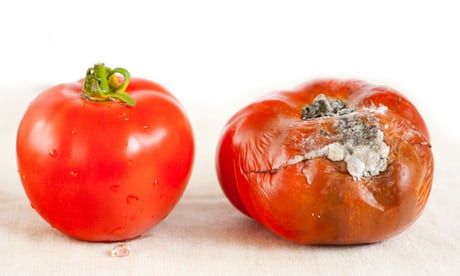
Don’t Be Afraid ! Bacteria can Also Be a Friend To Your Food Products


Most of us, upon hearing the word bacteria, immediately associate it with disease, danger, or something to be avoided. While it’s true that some bacteria can harm human health, it’s important to recognize that bacteria also play beneficial roles in maintaining our health and ecological balance.
- What Are Bacteria?
- Benefits of Bacteria for Human Health
- Benefits of Bacteria for the Environment
- Benefits of Bacteria in the Food Industry
What Are Bacteria?
Bacteria are single-celled organisms, the first to appear on Earth. They are prokaryotic, meaning they lack a nuclear membrane, are metabolically active, and reproduce by binary fission. These organisms exist widely, both in parasitic forms and as free-living entities.
Bacteria thrive in a variety of environments such as soil, water, food, and even within the human body. There are three basic shapes of bacteria:
- Spherical
- Rod-shaped
- Spiral, with many variations within each group
Bacterial cells consist of a
- Capsule
- Cell wall
- Plasma membrane
- Cytoplasm
- DNA
- Ribosomes
- Flagell
- Pili for attachment
Based on staining, bacteria are classified into Gram-positive and Gram-negative.
1. Gram Positive
Gram-positive bacteria have a thick peptidoglycan layer in their cell walls and are monoderm, meaning they have only one cell membrane. Examples include Staphylococcus aureus, Staphylococcus epidermis, Streptococcus pneumoniae, Clostridium, and Bacillus anthracis.
2. Gram Negative
Gram-negative bacteria, on the other hand, have a thinner peptidoglycan layer and an additional outer membrane, making them diderm with two membranes. Although bacteria are often associated with negative effects, many are actually beneficial. Without bacteria, life would not exist as we know it, oxygen in the atmosphere was likely produced by bacterial activity.
Benefits of Bacteria for Human Health
Bacteria are not always pathogens or causes of disease. In fact, they contribute significantly to our daily lives. Certain bacteria such as Bifidobacteria and Lactobacillus sakei are known probiotics that support gut health, boost the immune system, and have anti-inflammatory properties. These probiotics help maintain a balanced microbiota, supporting digestion.
Moreover, some bacterial strains have potential in cancer therapy. For example, an attenuated strain of Salmonella enterica serovar Typhimurium can target and destroy cancer cells in experimental models. This ability, especially involving the Type IV secretion system, also makes bacteria useful in delivering genes or drugs for medical treatment. In diagnostics, bacteria contribute to the development of specific tools, for instance, snail-derived lectins are used to detect Streptococcus pneumoniae.
Benefits of Bacteria for the Environment
Beyond human health, bacteria play crucial roles in environmental cleanup through bioremediation. They can break down harmful contaminants in soil and water, such as heavy metals and toxic compounds, into harmless substances. Genera like Bacillus, Mycobacterium, and Arthrobacter are known for their bioremediation potential. Bacillus, commonly found in soil and water, can withstand high temperatures and adapt well in nutrient-poor environments.
One species, Bacillus amyloliquefaciens, promotes plant growth and can degrade pollutants like benzene, toluene, ethylbenzene, and xylene. Mycobacterium also breaks down PAHs (polycyclic aromatic hydrocarbons) and produces enzymes like monooxygenase and dioxygenase that help convert aromatic compounds into simpler, non-toxic molecules.
Read more:
5 Extreme Bacteria That Survive in Extreme Environments
Benefits of Bacteria in the Food Industry
Many of the fermented foods we enjoy, such as yogurt, cheese, tape, and tempeh are products of microbial fermentation. Fermentation is a biochemical process where bacteria, yeast, or fungi convert sugars into other products (alcohol, lactic acid, or gas) in the absence of oxygen. This process not only preserves food but also enhances its flavor, aroma, texture, and digestibility. During fermentation, microbes can produce bioactive compounds beneficial to health, such as antioxidants.
Fermented foods can increase the presence of good bacteria in the gut, promoting digestive health and boosting immunity. In the colon, good bacteria ferment undigested food residues like fiber and complex carbohydrates. This results in short-chain fatty acids (SCFAs) and gases like carbon dioxide. SCFAs serve as energy sources for colon cells and help maintain intestinal pH balance.
In conclusion, beneficial bacteria demonstrate that not all microbes should be feared. With deeper understanding and wise application, these microbes can significantly enhance the quality of human life. Through a deeper understanding and wise utilization, the presence of beneficial bacteria can support the overall quality of human life.
Bacteria are not only microorganisms to be wary of, but also play a crucial role in product innovation across various sectors. Through microbiological testing, you can ensure the safety, stability, and benefits of beneficial bacteria in your product formulations. IML Research is ready to assist you with accurate and reliable microbiological testing services to support the development of safe and high-quality products.
Additionally, learn more about the world of microorganisms and their benefits through the Microbiology articles on the IML Research website. Gain the latest scientific insights into how microbes work and how testing results can improve the quality of your products. Visit the IML Research website and start your journey towards science-based innovation today.
Author: Safira
Editor: Sabilla Reza
References:
Armanu, E. G., Bertoldi, S., Chrzanowski, Ł., Volf, I., Heipieper, H. J., & Eberlein, C. (2025). Benefits of Immobilized Bacteria in Bioremediation of Sites Contaminated with Toxic Organic Compounds. Microorganisms, 13(1), 155. https://doi.org/10.3390/microorganisms13010155​:contentReference[oaicite:1]{index=1}
Baron, S. editor. 1996. Medical Microbiology, 4th edition: Introduction to Bacteriology. Galveston (TX): University of Texas Medical Branch at Galveston.
Silva, C. C. G., & Ribeiro, S. C. (2024). Microorganisms and Their Importance in the Food Industry: Safety, Quality and Health Properties. Foods, 13(10), 1452. https://doi.org/10.3390/foods13101452​:contentReference[oaicite:2]{index=2}
Venkova, T., Yeo, C. C., & Espinosa, M. (2018). Editorial: The Good, The Bad, and The Ugly: Multiple Roles of Bacteria in Human Life. Frontiers in Microbiology, 9, 1702. https://doi.org/10.3389/fmicb.2018.01702​:contentReference[oaicite:0]{index=0}