Microbial Contamination Test on Cosmetics

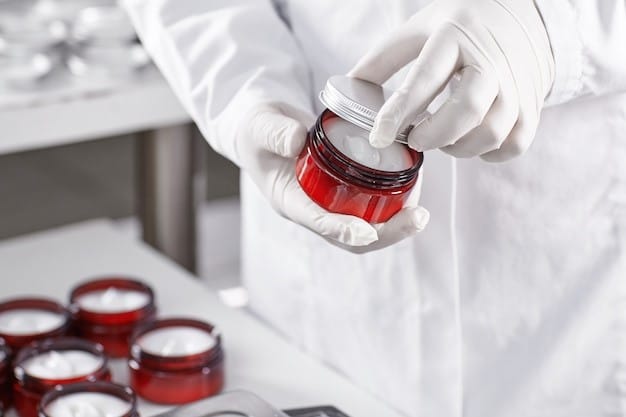
Cosmetic products, such as sunscreen, skin creams, and facial care products, are items that are directly applied to human skin. Every time the product is opened and used, there is a possibility that air and microorganisms may enter the product container. Even though the product is sealed or tightly packaged, interaction with the external environment during the opening and closing process can create opportunities for microbes to enter.
In addition to the product's interaction with the external environment during user application, manufacturing activities also play a significant role in the potential for microbial contamination in cosmetic products. Contamination can occur from the raw materials used, equipment that is not sterile, or the mixing process conducted in unsanitary environments. Packaging that is not sealed properly or done in unclean conditions also increases the risk of microbes entering the product. Furthermore, improper post-production storage, such as high temperatures or humidity, can create conditions that promote microbial growth in the product.
Microbial contamination in cosmetic products can cause various health issues, such as skin irritation, infections, or even allergic reactions, which can harm consumers and damage the company's reputation. Therefore, microbial testing is very important for cosmetic companies to perform before selling their products on the market to ensure that the product is safe for consumer use.
Types of Microbes That Can Contaminate Cosmetic Products
Microbes that commonly contaminate cosmetic products are divided into two main groups: bacteria and fungi (molds and yeasts). Bacteria such as Staphylococcus aureus, Pseudomonas aeruginosa, and Escherichia coli are primary threats. S. aureus can cause skin infections, especially in users with sensitive skin or open wounds. P. aeruginosa, which is often found in moist environments, has the potential to cause more serious infections, particularly for those with compromised immune systems.
Fungi, such as molds and yeasts, can also contaminate cosmetic products. Molds can survive on cosmetics with low water content, making them a threat to products such as powders, eyeshadows, and foundations. Yeasts like Candida albicans can grow in water-based products and can cause skin irritation or even infections on more sensitive skin areas, such as around the eyes and mouth.
Safety Standards and Microbial Testing in Cosmetic Products
To control microbial contamination in cosmetic products, many countries have implemented strict safety standards. International standards such as ISO 17516 and Indonesia's BPOM have established maximum limits for microbial contamination in cosmetic products. Generally, the total microbial count in a product should not exceed 1000 CFU/mL for non-pathogenic categories, and pathogenic microbes such as S. aureus, P. aeruginosa, E. coli, and C. albicans should not be detected.
Microbial testing in cosmetic products is routinely carried out as part of quality control. Techniques such as bacterial culturing on agar media like Tryptic Soy Agar (TSA) and Sabouraud Dextrose Agar (SDA) are commonly used. In general, testing is done using a serial dilution method to count the number of bacterial or fungal colonies in CFU/mL (Colony Forming Units per mL), which is then compared to the safe limits.
By conducting regular microbial tests, cosmetic manufacturers can ensure that the products they produce are free from microbial contamination that may pose health risks. This testing also provides evidence that the company complies with applicable safety standards, which can enhance consumer confidence in their products. Success in microbial testing not only proves that the product is safe to use, but also demonstrates the manufacturer's commitment to producing high-quality goods that can compete in the global market.
If you are a cosmetics manufacturer, you can routinely conduct microbial tests at the best cosmetic product testing laboratory in Indonesia, IML Research!
Author : Rahmidevi Alfiani
REFERENCE
Amézquita, A., & Pitt, T. L. (2016). Microbiological risk assessment for personal care products. International journal of cosmetic science, 38(6), 634-645.
Jairoun, A. A., Al-Hemyari, S. S., Shahwan, M., & Zyoud, S. E. H. (2020). An investigation into incidences of microbial contamination in cosmeceuticals in the UAE: Imbalances between preservation and microbial contamination. Cosmetics, 7(4), 92. Stewart, S. E., Parker, M. D.
Stanley, O. H., Immanuel, M. O., & Ekanem, P. (2017). Microbiological quality assessment of facial cosmetics. Nigerian Journal of Biotechnology, 34, 55-61.