The Potential of Moringa Leaves as Herbal Medicine Ingredients for Stunting Prevention


- Stunting as a National Public Health Challenge
- The Impact of Stunting on Human Capital Development in Indonesia
- The Role of Balanced Nutrition in Stunting Prevention
- Nutritional Value of Moringa Leaves for Child Growth
- Development of Moringa Leaves in Herbal Medicine Products
- The Importance of Laboratory Testing for Moringa-Based Herbal Medicines
Stunting as a National Public Health Challenge
According to the World Health Organization (WHO), stunting is a condition of impaired growth and development in children caused by chronic malnutrition and recurrent infections. It is defined by a height-for-age measurement below minus two standard deviations from the median of the WHO Child Growth Standards for age and sex.
Based on the 2024 Indonesian Nutritional Status Survey (SSGI), the prevalence of stunting in Indonesia reached 19.8%, highlighting the urgency of effective prevention strategies.
The Impact of Stunting on Human Capital Development in Indonesia
Stunting results from inadequate maternal and child nutrition during pregnancy and the first 1,000 days of life. In the short term, stunting increases the risk of disease and mortality, impairs cognitive development, and raises healthcare costs.
Over the long term, it reduces learning capacity, skills development, and labor productivity. These impacts can slow economic growth, exacerbate poverty, and widen social inequality.
Stunting is of particular concern as Indonesia approaches a critical demographic phase. The country is projected to reach its demographic bonus around 2030, when the proportion of the productive-age population significantly exceeds that of the non-productive population.
If not addressed, stunting may undermine the quality of this productive generation. Therefore, stunting prevention is a key indicator of sustainable national development.
The Role of Balanced Nutrition in Stunting Prevention
Effective stunting prevention requires adequate intake of essential nutrients such as protein, zinc, iron, iodine, vitamin A, vitamin B12, and vitamin D. These nutritional needs can be supported through the sustainable use of natural resources.
As a country rich in biodiversity, Indonesia has significant potential to utilize plant-based resources to improve public health while also supporting economic growth, including increased income for local farmers.
Nutritional Value of Moringa Leaves for Child Growth
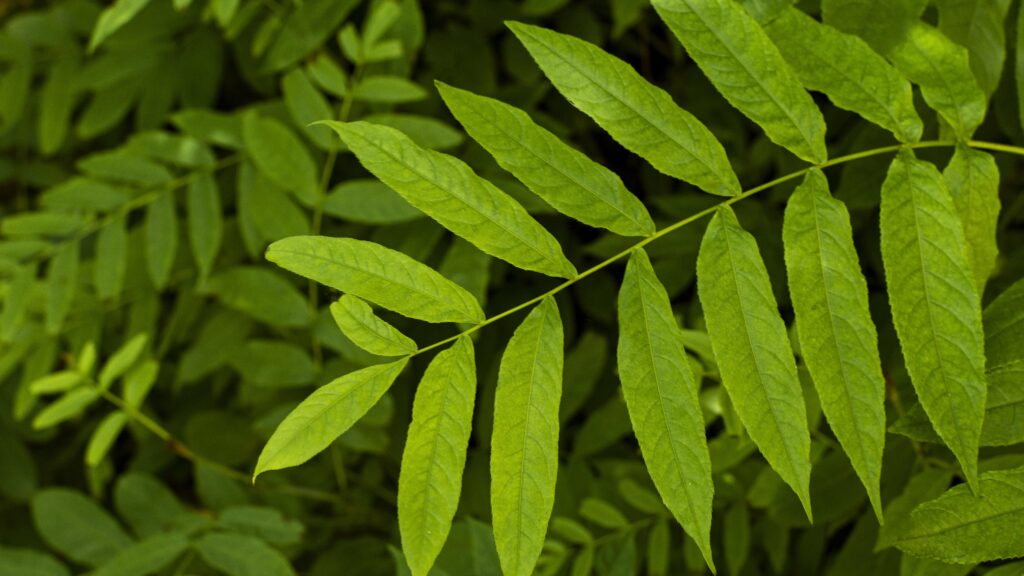
One promising natural resource is Moringa oleifera, commonly known as moringa leaves. Moringa leaves are highly nutritious and play an important role in supporting child growth and development.
They are reported to contain 96 nutrients and 46 antioxidants. Moringa leaves have higher vitamin A content than carrots, more vitamin C than oranges, higher calcium levels than milk, and more potassium than bananas.
In addition, moringa leaves are a rich source of iron and dietary fiber, containing nine times more iron than spinach and four times more fiber than oats. Due to this nutritional profile, moringa leaves are considered a practical and locally available solution for stunting prevention. With proper utilization, moringa can support optimal child growth and contribute to the goal of a stunting-free generation.
Development of Moringa Leaves in Herbal Medicine Products
Beyond their use as food, moringa leaves have strong potential as active ingredients in herbal medicine products designed to support nutritional adequacy and stunting prevention.
However, the development of moringa-based herbal products requires strict attention to quality, safety, and consistency of active compound levels. Nutrient and bioactive compound concentrations may vary depending on growing conditions, processing methods, and formulation techniques.
Read more:
Here’s How to Know Which Traditional Medicines Are Safe to Consume!
The Importance of Laboratory Testing for Moringa-Based Herbal Medicines
Laboratory testing is essential to ensure that moringa-based herbal medicines contain appropriate levels of active nutrients, are free from harmful contaminants, and are safe for consumption, especially for vulnerable populations such as pregnant women and children. Proper laboratory testing supports product credibility, regulatory compliance, and consumer safety.
Ensure that your moringa-based herbal products are safe, high-quality, and scientifically tested. IML Testing and Research provides accurate and reliable laboratory testing services to support the development and quality assurance of herbal medicine products.
Author: Jihan
Editor: Sabilla Reza
References:
de Onis, M., & Branca, F. (2016). Childhood stunting: a global perspective. Maternal & child nutrition, 12 Suppl 1(Suppl 1), 12–26. https://doi.org/10.1111/mcn.12231
Khan, F., Nasir, F., Ikram, H., Bilal, A., Fatima, M., & Shad, M. (2022). Moringa oleifera: A miraculous plant to combat malnutrition. Acta Scientific Nutritional Health, 32–37. https://doi.org/10.31080/asnh.2022.06.1135
World Health Organization (WHO). (2018). Reducing stunting in children: equity considerations for achieving the global targets 2025. https://www.who.int/publications/i/item/9789241513647