The Importance of Cable Bite Resistance Testing Against Rodent Damage

- The Dangers of Rodents Biting Cables
- Why Cable Bite Resistance Testing Matters
- Methods of Testing Cable Resistance to Rodent Bites
The Dangers of Rodents Biting Cables
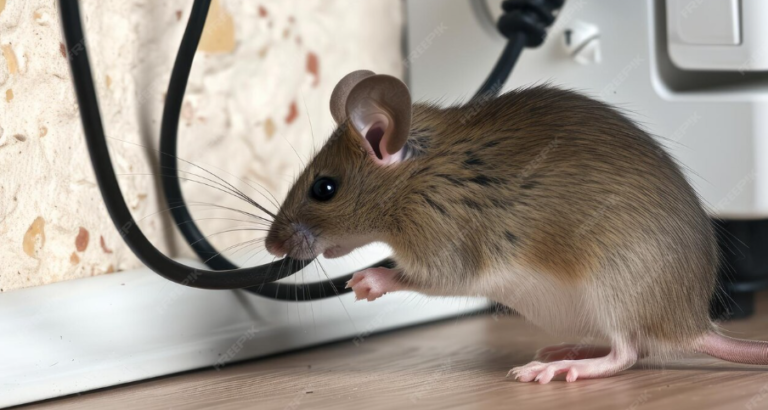
Rodent bites on cables can cause serious damage, it can cause communication failures to the risk of fire.
Rodents have continuously growing teeth, which makes them gnaw on hard objects including electrical and data cables.
Understanding the risks of rodent damage to cables is crucial to prevent costly losses and ensure safety.
Why Cable Bite Resistance Testing Matters
Testing cable resistance against rodent bites is essential to guarantee long term safety and reliability of both electrical and communication installations.
Without proper testing, conventional insulation materials such as PVC or polyethylene are proven to be vulnerable to rodent attacks.
This testing process allows manufacturers and users to select cables with the highest quality and durability.
Read more:
6 Cable Materials That Pass Laboratory Rodent Bite Resistance Testing
Methods of Testing Cable Resistance to Rodent Bites
Testing with Live Rodents
Studies using rats have shown that most conventional cables cannot withstand direct exposure to rodent bites.
In laboratory tests, cables are suspended in cages containing rodents for several days, and the results indicate severe insulation damage.
Biomechanical Simulation and Laboratory Tests
Modern testing methods utilize laboratory instruments to measure the cutting resistance of cable insulation materials. This approach provides quantitative data and ensures consistency.
Conclusion
Rodent bites on cables are a serious threat that can lead to significant damage. Cable bite resistance testing is vital to ensure safety, efficiency, and the longevity of cables.
By applying standardized testing methods, selecting innovative materials, and adopting anti-rodent technologies, the risks of fires and electrical failures can be greatly minimized. Rodent-resistant cables not only protect infrastructure but also safeguard human lives and ensure the continuity of daily activities.
Your electrical and communication infrastructure should never rely solely on assumptions about material quality. Ensure every cable you manufacture or use has undergone standardized and measurable rodent bite resistance testing.
Proper laboratory testing provides quantitative data on insulation material resistance, helping you minimize fire risks, operational disruptions, and long-term financial losses. IML Testing and Research is ready to support your cable resistance testing needs with accurate, comprehensive, and reliable laboratory methods.
Consult with us today and ensure your installation safety is protected from the start.
Author : Indah Nurharuni
Editor: Sabilla Reza
Reference:
Zhu, X., et al. (2008). A Novel Instrumented Technique for Measuring Cutting Resistance of Plastics: Comparison with Rodent Bite Resistance Test and Other Mechanical Properties of the Material.