Termite Resistance Testing on Cables: Effective Strategies to Protect Cable Infrastructure

- Why Is Termite Resistance Testing on Cables Important?
- Methods of Termite Resistance Testing on Cables
- Preventive Measures to Protect Cables from Termite Damage
Why Is Termite Resistance Testing on Cables Important?
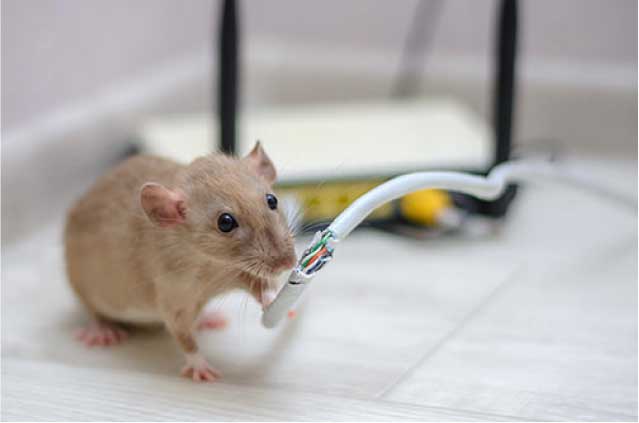
Termites are known as destructive pests that can damage various materials, including the protective layers of cables. While they are most commonly associated with wood due to its cellulose content, studies have shown that cables installed in damp or underground areas are also at risk of termite attacks.
High humidity accelerates the degradation of cable sheaths, making them more vulnerable to termite bites. Such damage can lead to power disruptions, network outages, and costly repairs. For this reason, termite resistance testing on cables is an essential preventive measure to protect vital electrical and telecommunication infrastructure.
Methods of Termite Resistance Testing on Cables

Sumber: Freepik
Termite resistance testing aims to evaluate the durability of cables against termite attacks, both from subterranean and drywood species. According to research conducted by Thakur (2009), there are two main testing approaches: laboratory testing and field testing. In laboratory testing, cables are placed with a specific termite colony such as Microcerotermes beesoni Snyder under controlled conditions to observe the rate and severity of damage.
Field testing, on the other hand, involves burying cables in soil inhabited by Odontotermes obesus (Rambur) to replicate real-world environmental conditions. The results indicate that cables with degraded outer layers, often due to moisture or microbial activity, are more susceptible to termite damage than those with intact protection.
Preventive Measures to Protect Cables from Termite Damage
In addition to testing, preventive measures are critical to ensure long-term cable reliability. One effective strategy is to use cables with termite-resistant coatings made from specialized materials such as PVC or polyethylene. Installing cables in areas with high moisture levels should be avoided unless additional protective layers are applied.
Regular inspections are highly recommended, particularly for underground cables, to detect early signs of infestation before significant damage occurs. In regions with high termite activity, the application of chemical termite barriers or treatments can provide an additional layer of protection.
As a cable manufacturer, quality is not just about conductivity and materials, but also resistance to environmental threats like termites. Termite damage not only impairs functionality but can also impact customer confidence in your product. Therefore, ensuring cable durability before marketing is a crucial step in maintaining quality standards.
Want to ensure your cables are truly termite-resistant?
IML Research provides comprehensive, accurate, and reliable laboratory and field testing services to assess your cable performance. Improve product quality from the development stage. Consult with IML Research to start testing your cables today.
Author: Indah Nurharuni
Editor: Sabilla Reza
Refereces:
Thakur, M. L. (2009). Laboratory and field testing of armoured optical fibre cable against termite attack. Indian Journal of Fibre & Textile Research, 34(4), 303–307.