


Sustainable Mining Tailings Management Begins with Mining Waste Toxicity Testing

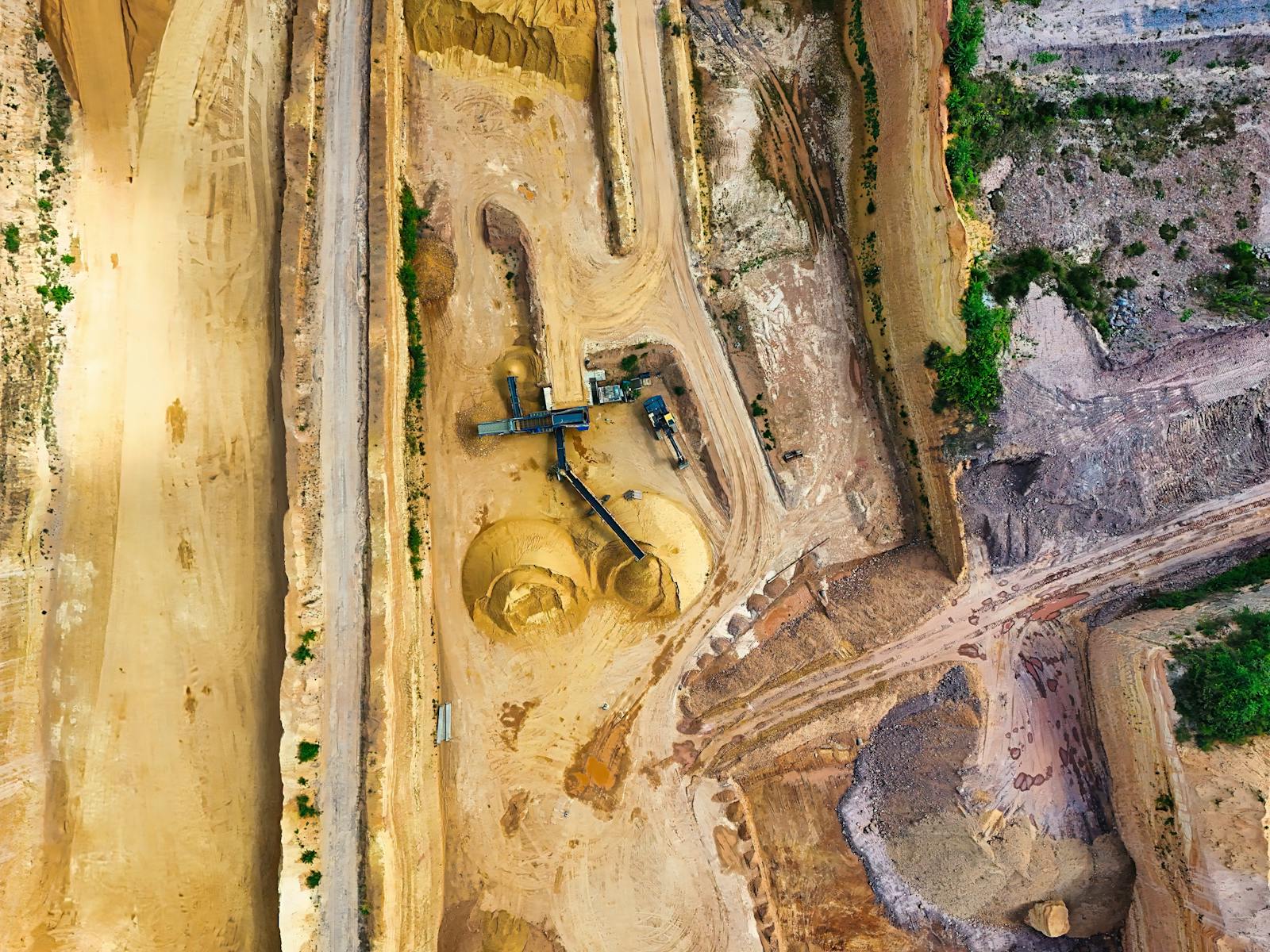
Tailings are the products generated from the extraction and processing of mineral ores. After valuable minerals are separated through physical or chemical processes, the leftover material with no economic value is referred to as tailings. Typically, tailings are in the form of fine slurry composed of mineral particles, water, and sometimes chemical residues used during extraction. Because of their massive volume and potential environmental risks, tailings management is a critical aspect of sustainable mining practices.
Characteristics of Tailings
Tailings often contain residual minerals such as quartz, feldspar, and other waste minerals. In some cases, they may also include toxic substances like arsenic, mercury, or cyanide. These components make tailings hazardous if not properly managed, as they can pollute soil, water, and air. Mining companies are therefore required to implement tailings management systems that comply with environmental and safety standards.
Environmental Impacts of Tailings
If mismanaged, tailings can cause severe environmental damage. One of the most serious risks is acid mine drainage, which occurs when sulfide minerals in the tailings oxidize and release acidic water. Additionally, leakage or failure of tailings storage facilities can contaminate rivers, lakes, and groundwater, harming aquatic ecosystems and posing health risks to surrounding communities.
Tailings Management Methods
To minimize the environmental footprint of tailings, several management techniques are commonly applied:
- Tailings Storage Facility (TSF)
Tailings are stored in large engineered impoundments with dams or embankments and protective liners. While this is the most widely used method, it requires strict monitoring to prevent leakage or catastrophic dam failures. - Dry Stacking
This method involves dewatering tailings using filter presses or other technologies until they become solid, then stacking them in a designated area. Although more costly, dry stacking reduces the risk of water contamination and improves stability. - Backfilling
Tailings are used to fill underground mine voids or stopes. This approach reduces the volume of tailings that need to be stored on the surface and helps stabilize underground excavations. - Reuse and Recycling
In some cases, tailings can be repurposed, such as being used as raw materials for construction (cement, bricks) or as secondary sources of valuable minerals through advanced reprocessing technologies.
Tailings pose a significant challenge to the mining industry due to their massive volume and environmental risks. Proper management using modern technologies, continuous monitoring, and strict compliance with regulations is essential for creating safer and more sustainable mining operations. With innovative approaches, tailings should not only be considered waste but also a potential resource that can be repurposed for future use.
Must read:
3 Absolutely Proven and Expert-Approved Mining Waste Laboratory Testing Services!
Behind the various tailings management methods that have been implemented, one crucial aspect often determines their sustainability: the level of toxicity of the waste itself. The presence of heavy metals and hazardous compounds in tailings cannot always be identified through visual observation or production process data alone. Therefore, toxicity testing of mining waste is an essential step to ensure that tailings are environmentally safe and do not pose long-term risks to ecosystems or human health.
Ensure your tailings management is supported by accurate and accountable test data. IML Testing and Research, as a trusted testing laboratory, provides mining waste toxicity testing services to help mining companies comply with environmental regulations, mitigate pollution risks, and strengthen sustainable mining practices. Contact IML Testing and Research to ensure your mining waste is managed based on reliable laboratory test results.
Author: Indah Nurharuni
Editor: Sabilla Reza
Reference :
- Lottermoser, B. G. (2017). Mine Wastes: Characterization, Treatment and Environmental Impacts. Springer.
- Hudson-Edwards, K. A. (2016). “Mine Waste Management in the 21st Century.” Environmental Geochemistry and Health, 38, 613–617.
- Kossoff, D., Dubbin, W. E., Alfredsson, M., Edwards, S. J., Macklin, M. G., & Hudson-Edwards, K. A. (2014). “Mine tailings dams: Characteristics, failure, environmental impacts, and remediation.” Applied Geochemistry, 51, 229–245.
- Azam, S., & Li, Q. (2010). “Tailings Dam Failures: A Review of the Last 100 Years.” Geotechnical News, 28(4), 50–54.
- Johnson, D. B., & Hallberg, K. B. (2005). “Acid Mine Drainage Remediation Options: A Review.” Science of the Total Environment, 338(1–2), 3–14.


