


Let’s Understand the Role of Laboratory Testing of Novaluron Insecticide on Aedes aegypti Mosquitoes

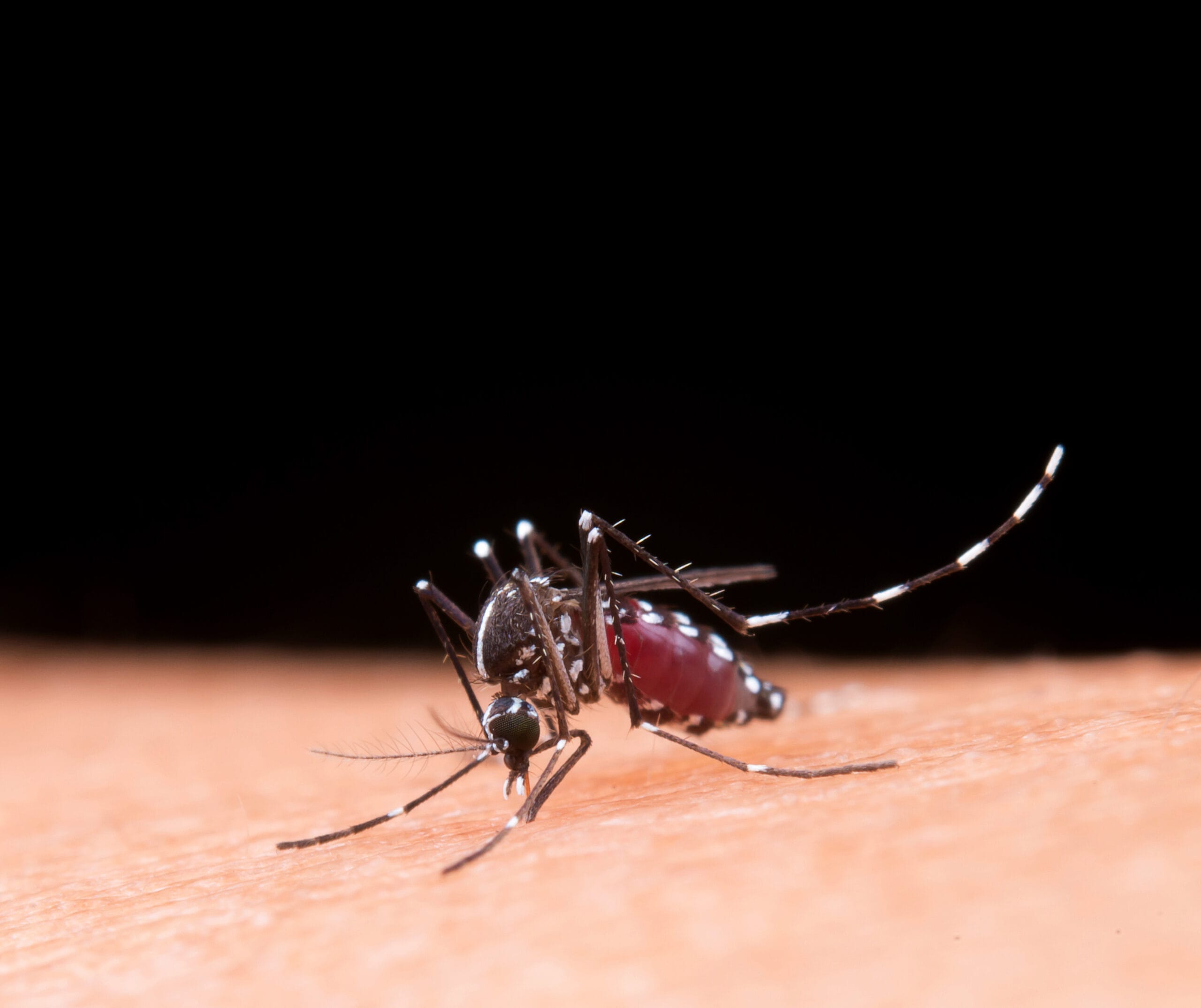
The Aedes aegypti mosquito is known as the primary vector responsible for transmitting Dengue Fever (DF), which remains a significant public health concern in many regions. Control efforts are often hindered by the mosquitoes’ increasing resistance to chemical insecticides that have been used repeatedly. This situation has driven researchers to seek safer, more effective, and environmentally friendly alternatives for mosquito control.
One promising solution currently under extensive study is the use of novaluron, an insect growth regulator (IGR). This compound works differently from conventional insecticides because it targets the mosquito’s growth process rather than its nervous system. Therefore, novaluron is considered safer for humans and the surrounding environment.
- What is Novaluron?
- Effectiveness of Novaluron in Controlling Mosquitoes
- Advantages of Novaluron Compared to Other Insectisides
What is Novaluron?
Novaluron is a chemical compound belonging to the benzoylphenyl urea (BPU) group and functions as a chitin synthesis inhibitor in insects. Chitin is the main component that forms the insect’s outer skin (cuticle), so when its formation is disrupted, mosquito larvae are unable to grow properly and eventually die.
Unlike conventional insecticides that attack the nervous system, novaluron works gradually by interfering with the mosquito’s developmental stages from larvae to adulthood. Due to its specific mode of action on insects, this substance is safe for humans, pets, and other organisms in the environment.
Effectiveness of Novaluron in Controlling Mosquitoes
Studies have shown that novaluron is highly effective in killing Aedes aegypti larvae, the primary vector of dengue fever. At a concentration of 10 µg/L, novaluron can cause 100% larval mortality within just five days. In addition, this compound prevents immature mosquitoes from developing into adults, thereby breaking their life cycle.
Interestingly, recent research has found that the effectiveness of novaluron can be enhanced when combined with natural materials such as wet spent coffee grounds. This combination has been proven to produce a synergistic effect, where both components work together to increase larval mortality without the need to raise the chemical dosage. These findings open up great potential for implementing more sustainable mosquito control methods.
Advantages of Novaluron Compared to Other Insectisides
One of the main advantages of novaluron is its safety for the environment and non-target organisms. This compound is not harmful to fish, birds, honeybees, or aquatic plants, making it safe to use around households. Furthermore, novaluron does not easily induce resistance, as its mechanism of action does not affect the mosquito’s nervous system.
Novaluron is also a long-lasting insecticide that does not leave harmful residues, allowing for long-term use without damaging aquatic ecosystems. When combined with natural materials such as coffee grounds, its effectiveness increases while reducing dependence on synthetic chemicals. With all these benefits, novaluron stands out as one of the most promising innovations in environmentally friendly mosquito control.
Read more:
3 Recommended Pesticide Lab Tests to Pass the Ministry of Agriculture’s Distribution Permit!
For insecticide manufacturers, increasing mosquito resistance to conventional chemicals poses a serious challenge in the development of vector control products. Innovations such as novaluron offer the opportunity for safer and more effective formulations, but their development still requires proof of performance, safety, and product consistency before widespread application.
To ensure that insecticide products perform optimally for their intended use, laboratory testing is a crucial step in the product development and evaluation process. Through standardized testing, manufacturers can obtain data on effectiveness, appropriate concentrations, and safety against non-target organisms. This step helps manufacturers deliver reliable and sustainable mosquito control solutions.
Author: Dherika
Editor: Sabilla Reza
References:
Herath, J.M.M.K., De Silva, W.A.P.P., Weeraratne, T.C. et al. (2024). Efficacy of the insect growth regulator novaluron in the control of dengue vector mosquitoes Aedes aegypti and Ae. albopictus. Sci Rep, 14, 1988. https://doi.org/10.1038/s41598-024-52384-x.
Thanasoponkul,W., Changbunjong, T., Sukkurd, R., & Saiwichai, T. (2023). Spent Coffee Grounds and Novaluron Are Toxic to Aedes aegypti (Diptera: Culicidae) Larvae. Insects, 14, 564. https://doi.org/10.3390/insects14060564.


