3 Categories of Natural Medicines (Traditional Medicines) in Indonesia

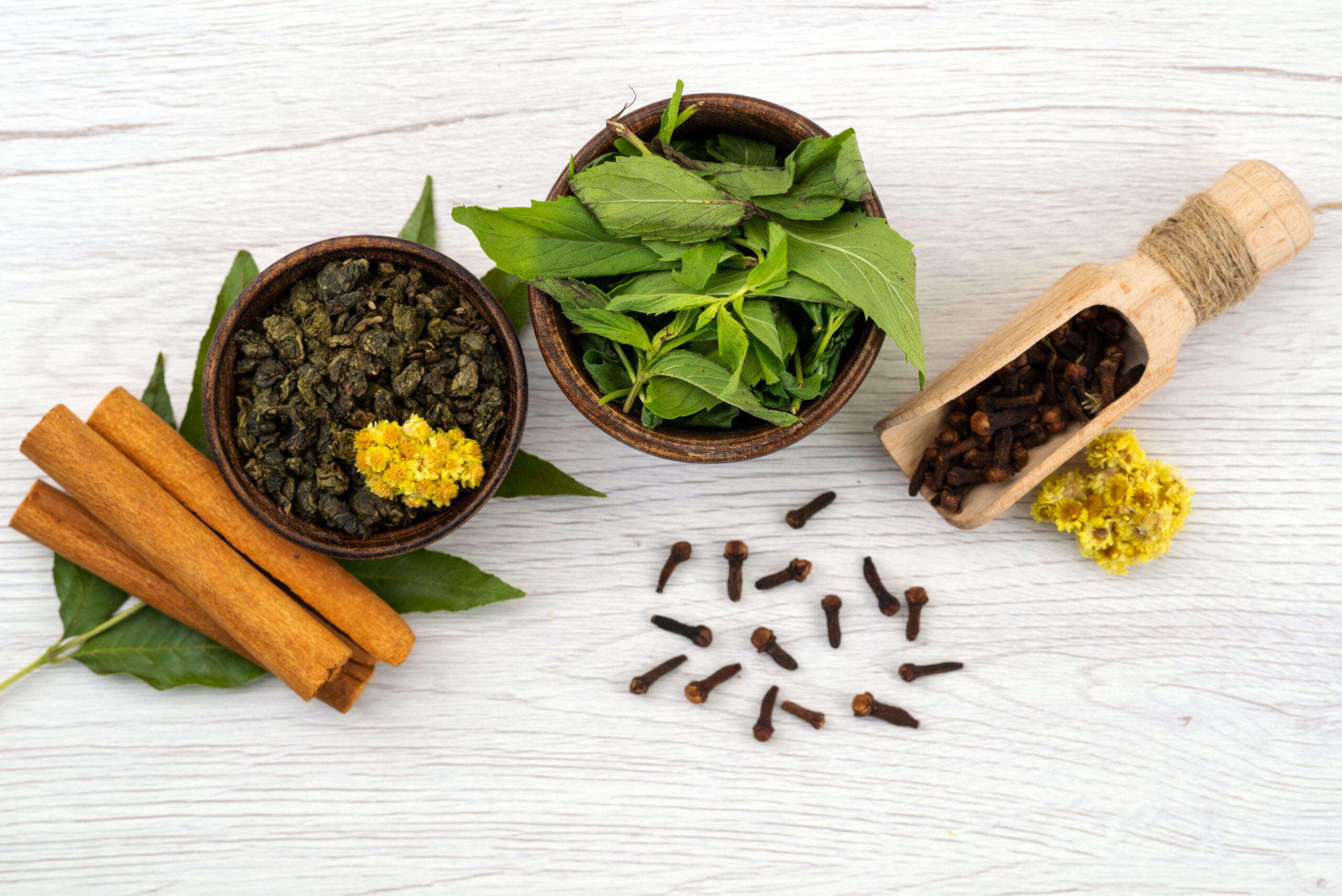
Indonesia is a country with one of the greatest levels of biodiversity in the world, earning its reputation as a megadiverse nation. This position is supported by its geographical location as an archipelagic country along the equator and at the intersection of two continents and two oceans, which creates a wide variety of habitats and species.
According to the updated profile of Indonesia’s biodiversity in the Convention on Biological Diversity (CBD) Report, there are approximately 31,750 plant species, 1,711 bird species (17% of the world’s total species), 750 reptile species (8% of the total), 403 amphibian species (6% of the total), and 1,236 freshwater fish species (9% of the total).
Among this abundance of species, communities have long utilized various natural materials to maintain health and treat a wide range of diseases. The use of natural medicinal products (traditional medicines) has been a hereditary tradition for hundreds of years.
Traditional medicines are not limited to plants such as leaves, roots, and spices, but also include animals, microorganisms, minerals, or other substances derived from natural resources, or a combination of these ingredients.
Currently, traditional medicines in Indonesia are officially classified by the National Agency of Drug and Food Control (BPOM) into three main categories: Jamu, Standardized Herbal Medicines (OHT), and Phytopharmaceuticals. This classification is based on the level of scientific evidence, quality standards, safety, and applicable regulations.
1. Jamu
The first category is Jamu. Jamu is a natural medicine whose efficacy is proven through empirical use over decades to hundreds of years. Jamu may come in the form of dried simplicia or finished dosage forms such as powders, liquids, capsules, and tablets.
Jamu does not require preclinical or clinical testing, but must comply with basic safety standards and be produced according to Good Traditional Medicine Manufacturing Practices (CPOTB). Examples of jamu products include kunyit asam, beras kencur, and other traditional formulations for improving stamina or maintaining digestive health. Although widely used and popular, jamu should still be consumed wisely and according to recommendations.
Read more:
Recognizing the Advantages and Disadvantages of Traditional and Modern Medicine
2. Standardized Herbal Medicines (OHT)
The second category is Standardized Herbal Medicines (OHT). Products in this category are not only based on empirical evidence but have also undergone preclinical testing on animals and standardization of raw materials and finished products.
The extraction and standardization process ensures consistency of quality, dosage, and safety. OHT serves as a transitional stage from experience-based traditional medicine toward research-based medicine.
Examples of OHT products include Antangin, OB Herbal, Mastin, Diapet, Lelap, and many others.
3. Phytopharmaceuticals
The highest category is Phytopharmaceuticals, natural medicines that have undergone clinical trials in humans and possess comprehensive scientific evidence regarding safety, efficacy, and therapeutic dosage. Phytopharmaceuticals are produced under high standards equivalent to modern medicines and may be prescribed by healthcare professionals in formal medical services.
Currently, according to BPOM data, there are 23 registered phytopharmaceutical products in Indonesia. However, this number may continue to change along with new product submissions and approvals.
Examples of phytopharmaceutical products in Indonesia include Stimuno for boosting the immune system, Tensigard for lowering blood pressure, Rheumaneer for reducing joint pain, and others.
As a country with vast biodiversity, the development and utilization of natural medicines can optimize the scientific and economic potential of Indonesia’s natural wealth. By continuing to strengthen research, improve quality standards, and expand public education, Indonesia has the opportunity to become a center for innovation in natural product-based medicines.
The classification of traditional medicines into Jamu, Standardized Herbal Medicines, and Phytopharmaceuticals shows that the higher the level of scientific evidence required, the greater the role of research and laboratory testing. Quality, safety, and efficacy testing form an essential foundation to ensure that herbal medicines are not only used based on tradition, but also supported by strong scientific evidence and compliant with applicable regulations.
IML Testing and Research supports the development of herbal and traditional medicines through comprehensive laboratory testing services, including raw material testing, product standardization, preclinical testing, and support for clinical studies in line with regulatory requirements.
Consult with IML Testing and Research to ensure your herbal medicine products meet quality standards, safety requirements, and reliable scientific validation.
Author: Jihan
Editor: Sabilla Reza
References:
Badan Pengawas Obat dan Makanan Republik Indonesia (BPOM RI). (2023). Peraturan Badan Pengawas Obat dan Makanan Nomor 25 Tahun 2023 Tentang Kriteria dan Tata Laksana Registrasi Obat Bahan Alam. Jakarta : BPOM RI
The Clearing-House Mechanism of the Convention on Biological Diversity. (2019). 6th National Report for the Convention on Biological Diversity : Indonesia