Types of Systemic Fungicides, Their Use, and the Importance of Efficacy Testing in Agriculture

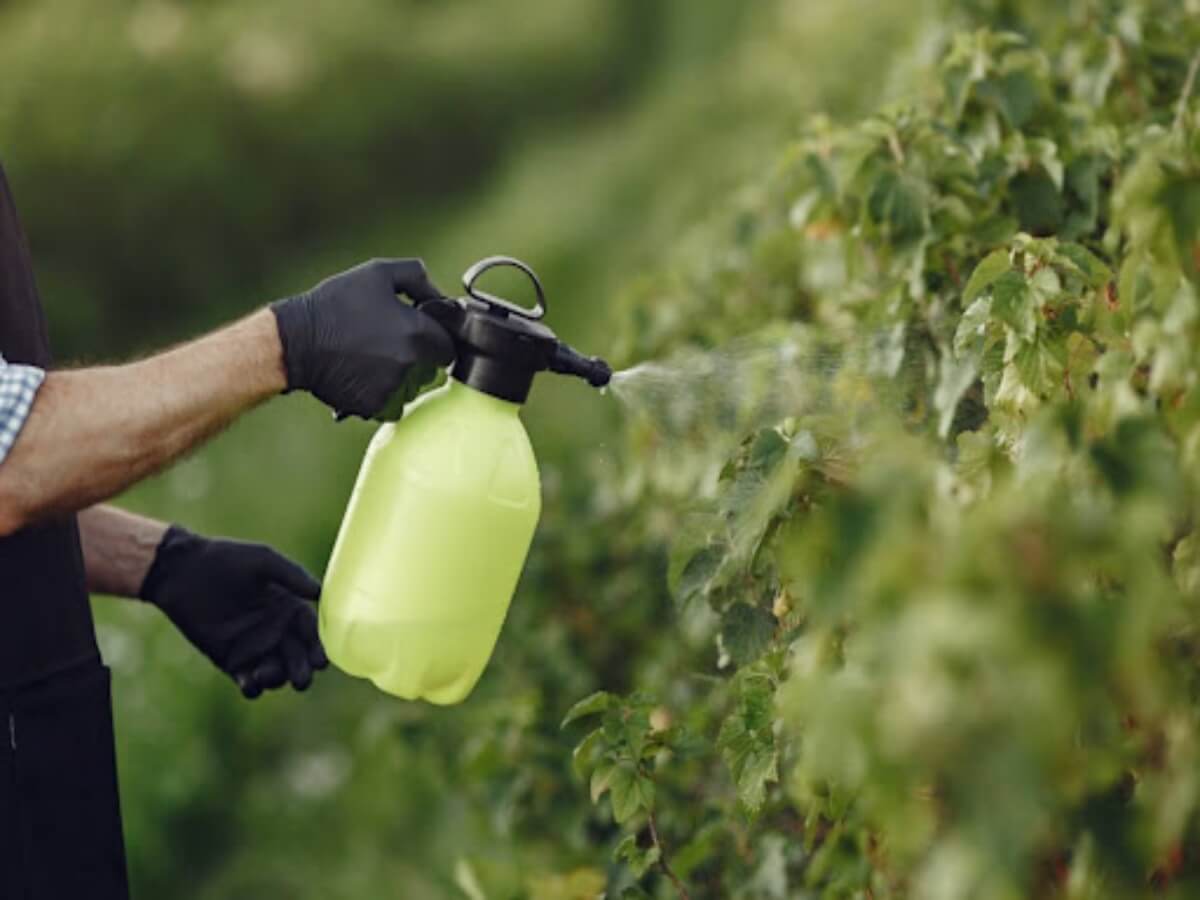
Systemic fungicides are an important type of pesticide widely used in agriculture to control plant diseases caused by fungal infections. Unlike contact fungicides, which act on the plant surface, systemic fungicides can be absorbed by plant tissues and transported to certain parts of the plant through its internal transport system.
This ability makes systemic fungicides an effective option for protecting plants and controlling fungal infections. The use of systemic fungicides plays an important role in maintaining agricultural productivity, particularly in food crops, horticultural plants, plantations, and ornamental plants.
However, each fungicide has a different mode of action and target pathogen. Therefore, understanding the different types of systemic fungicides is essential to ensure proper and effective application.
Table of Content:
- What Are Systemic Fungicides?
- Types of Systemic Fungicides Based on Their Modes of Action
- Applications of Systemic Fungicides in Agriculture
- The Importance of Fungicide Rotation to Prevent Resistance
- The Importance of Testing Systemic Fungicide Effectiveness Before Use
What Are Systemic Fungicides?
Systemic fungicides are chemical compounds that can be absorbed by plants through their leaves, stems, or roots and subsequently transported through plant tissues. This movement allows the active ingredients to reach certain plant parts that may not have been directly exposed to the fungicide application.
Depending on their characteristics, systemic fungicides may provide both protective and curative activities. Protective activity helps prevent fungal infections before they develop, while curative activity works by inhibiting pathogen development after infection has occurred, particularly during its early stages.
However, the effectiveness of systemic fungicides depends on several factors, including the active ingredient, application rate, timing, environmental conditions, and characteristics of the target pathogen.
Read Also:
5 Reasons Systemic Fungicides Need Efficacy Testing to Demonstrate Their Effectiveness
Types of Systemic Fungicides Based on Their Modes of Action
Several groups of systemic fungicides are commonly used in agriculture. Each group has a different mode of action in inhibiting the growth and development of plant pathogens.
1. Triazoles (Demethylation Inhibitors/DMI)
Triazole fungicides work by inhibiting an enzyme involved in ergosterol biosynthesis. Ergosterol is an essential component of fungal cell membranes.
Inhibiting ergosterol production disrupts the structure and function of fungal cell membranes, thereby restricting pathogen growth. Examples of active ingredients in this group include tebuconazole, propiconazole, and difenoconazole.
Triazole fungicides are commonly used to control plant diseases such as leaf rust, powdery mildew, and leaf spot in various agricultural crops.
2. Strobilurins (Quinone Outside Inhibitors/QoI)
Strobilurins are a group of fungicides that work by inhibiting fungal mitochondrial respiration, specifically at the cytochrome bc1 complex. This mechanism disrupts the energy production required for fungal growth and development.
Some active ingredients belonging to this group include azoxystrobin, pyraclostrobin, and trifloxystrobin.
Strobilurin fungicides are generally used to control diseases such as anthracnose, powdery mildew, and various leaf spot diseases. Some active ingredients in this group also have translaminar activity and localized movement within plant tissues.
3. Benzimidazoles (Methyl Benzimidazole Carbamates/MBC)
Benzimidazole fungicides work by disrupting microtubule formation through the inhibition of proteins involved in fungal cell division. This process interferes with cell division and fungal development.
Examples of active ingredients in this group include carbendazim and thiophanate-methyl. These fungicides are used to control various fungal diseases, including anthracnose and leaf spot diseases in plants.
4. Phenylamides
Phenylamide fungicides work by inhibiting RNA synthesis in target organisms. Examples of active ingredients in this group include metalaxyl and mefenoxam.
This group is particularly effective against fungus-like organisms that cause root rot, stem rot, and fruit rot. These organisms can infect various crops, including potatoes, tomatoes, chili peppers, and other horticultural plants.
5. Anilinopyrimidines
Anilinopyrimidine fungicides, such as cyprodinil, work by interfering with several fungal metabolic processes, including those associated with methionine biosynthesis and the secretion of hydrolytic enzymes.
These fungicides are commonly used to control gray mold disease, which can affect fruits, flowers, and other plant parts. This disease is frequently found in strawberries, grapes, tomatoes, and various horticultural crops.
Applications of Systemic Fungicides in Agriculture
The application of systemic fungicides should be adjusted according to the crop type and the disease affecting the plants. In rice cultivation, triazole-based fungicides can be used to help control blast disease and leaf spot diseases, depending on the product’s registered uses and recommendations.
In horticultural crops such as chili peppers and tomatoes, certain systemic fungicides are used to control anthracnose, powdery mildew, and diseases associated with root rot and fruit rot.
Meanwhile, in plantation crops, systemic fungicides can help manage various fungal diseases affecting leaves, stems, and fruits. The selection of active ingredients should consider the specific pathogen responsible for the disease because not all fungicides are effective against every group of fungi or fungus-like organisms.
Farmers should also follow the recommended application rates, intervals, and instructions provided on the product label. Excessive fungicide use does not necessarily improve disease control and may increase the risk of pathogen resistance.
The Importance of Fungicide Rotation to Prevent Resistance
One of the major challenges associated with systemic fungicide use is the development of resistance in plant pathogens. Continuous application of fungicides with the same mode of action can encourage the development and spread of resistant pathogen populations, eventually reducing treatment effectiveness.
To minimize this risk, farmers are encouraged to rotate fungicides based on their mode-of-action groups or FRAC codes (Fungicide Resistance Action Committee). Rotation should not simply involve changing product brands but must consider the active ingredients and their respective modes of action.
Disease management should also be combined with field sanitation, resistant crop varieties, proper plant spacing, and moisture management. An integrated approach to plant disease management can help maintain fungicide effectiveness while supporting sustainable agriculture.
The Importance of Testing Systemic Fungicide Effectiveness Before Use
Before being marketed or widely applied, fungicides should undergo appropriate testing to evaluate their effectiveness against target organisms. Testing can be conducted through laboratory or field trials, considering the target pathogen, active ingredient concentration, and relevant evaluation parameters.
These tests aim to determine the ability of fungicides to inhibit pathogen growth, identify effective concentrations, and evaluate product performance consistency. The results can also provide a scientific basis for developing and improving fungicide formulations.
Conclusion
Systemic fungicides play an important role in controlling plant diseases in agriculture. Common groups include triazoles, strobilurins, benzimidazoles, phenylamides, and anilinopyrimidines. Each group has a different mode of action and target organism, making it essential to select the appropriate active ingredient according to the specific plant disease.
Proper fungicide application, rotation based on modes of action, and effectiveness testing are important strategies for maintaining successful disease control and preventing pathogen resistance.
Looking to Ensure the Quality and Effectiveness of Your Fungicide Products?
IML Research provides testing services to help evaluate the effectiveness of pesticide products, including fungicides, through testing tailored to research and product development requirements.
Conduct your fungicide testing at IML Research to obtain scientific data that can support the development and quality evaluation of your fungicide products. Free Consultation Today!
Author: Indah
Editor: Lina
References
Yin, Y., Miao, J., Shao, W., Liu, X., Zhao, Y., & Ma, Z. (2023). Fungicide Resistance: Progress in Understanding Mechanism, Monitoring, and Management. Phytopathology, 113(4).
Resistance Mechanisms of Plant Pathogenic Fungi to Fungicide, Environmental Impacts of Fungicides, and Sustainable Solutions. (2024). Plants, 13(19), 2737.
Particularities of Fungicides and Factors Affecting Their Fate and Removal Efficacy: A Review. (2022). Sustainability, 14(7), 4056.
FRAC. (2024). FRAC Code List: Fungicides Sorted by Mode of Action. Fungicide Resistance Action Committee.