Natural Repellents vs. Chemical Repellents: Which Are More Effective at Repelling Mosquitoes Based on Efficacy Tests?

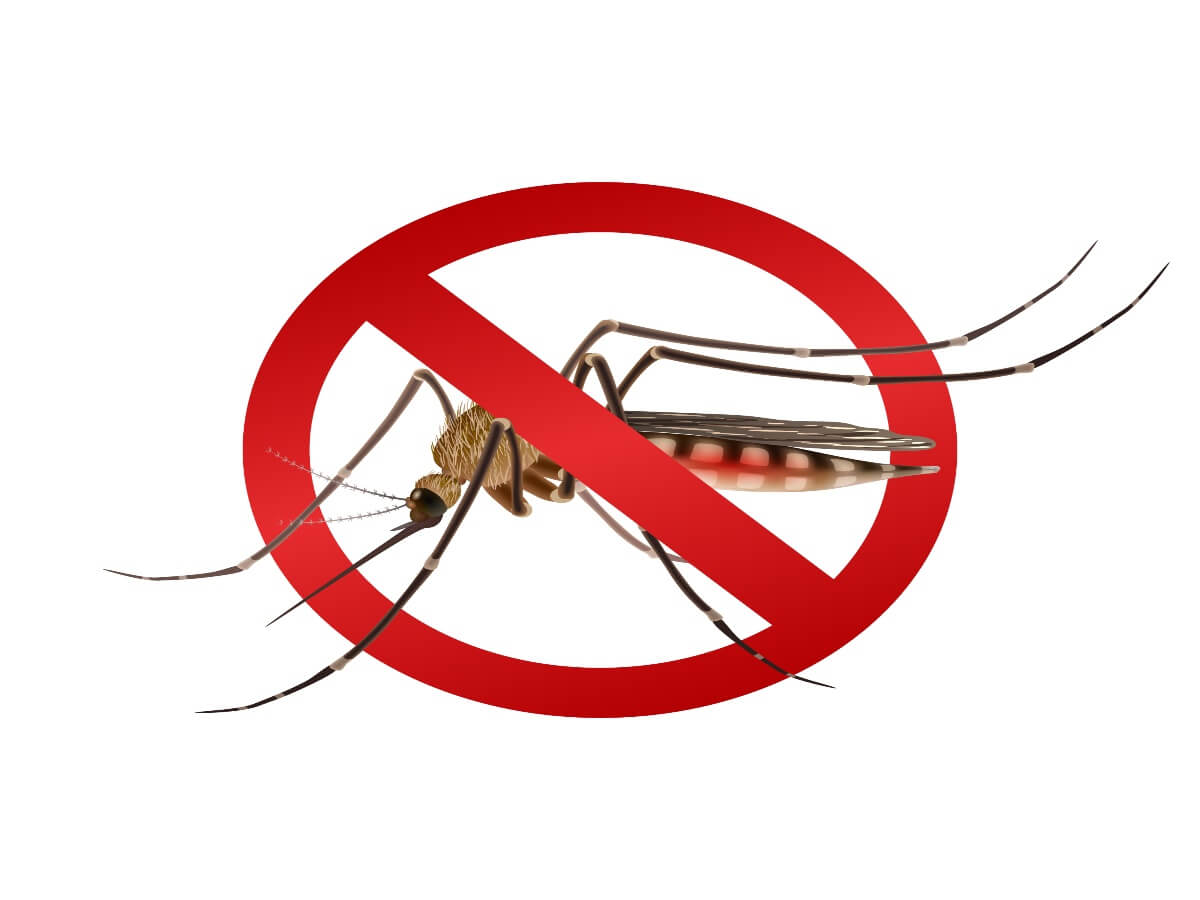
Mosquitoes are more than just a nuisance. They can also transmit diseases such as dengue fever, malaria, and chikungunya.
One way to reduce the risk of mosquito bites is by using repellents, which help prevent mosquitoes from approaching or biting humans. Today, consumers can choose from a wide range of natural and chemical mosquito repellents.
Natural repellents are often considered safer because they are derived from plants, while chemical repellents are known for their scientifically established effectiveness. But are natural repellents really less effective than chemical alternatives?
Understanding how these products work, their benefits, and their limitations can help consumers make informed decisions.
Table of Content:
- What Are Mosquito Repellents and How Do They Work?
- Natural Mosquito Repellents: Plant-Based Alternatives
- Chemical Mosquito Repellents: Scientifically Established Protection
- Natural vs. Chemical Repellents: Which Is More Effective?
- How to Choose the Right Mosquito Repellent
- Why Is Repellent Effectiveness Testing Important?
What Are Mosquito Repellents and How Do They Work?
Mosquito repellents are substances designed to reduce the likelihood of mosquitoes approaching or biting humans. Unlike insecticides, which aim to kill insects, repellents work by interfering with a mosquito’s ability to locate its host.
Mosquitoes use various signals, including carbon dioxide, body heat, and chemical compounds released by human skin, to find a blood meal. Repellents can interfere with these processes, making it more difficult for mosquitoes to locate their targets.
Repellents are available in various forms, including lotions, creams, sprays, and products applied to clothing. Their effectiveness depends on several factors, such as the active ingredient, concentration, formulation, and environmental conditions.
Read Also:
Are Mosquito Repellents Still Effective? Here’s the Scientific Answer
Natural Mosquito Repellents: Plant-Based Alternatives
Natural repellents generally contain active ingredients derived from plants. One example is oil of lemon eucalyptus, which contains para-menthane-3,8-diol (PMD), a compound with mosquito-repellent properties.
Other commonly used botanical ingredients include citronella oil, lemongrass oil, and neem oil. One advantage of natural repellents is that they are derived from plant-based sources and are available in various formulations.
Some botanical ingredients have demonstrated mosquito-repellent activity in scientific studies. However, natural ingredients do not always provide long-lasting protection.
Certain essential oils evaporate quickly, which may reduce their effectiveness over time. As a result, products containing these ingredients may require more frequent reapplication.
It is also important to distinguish formulated oil of lemon eucalyptus or PMD products from ordinary eucalyptus essential oil. These products should not be assumed to have the same effectiveness.
Chemical Mosquito Repellents: Scientifically Established Protection
Chemical mosquito repellents contain active ingredients developed or processed through chemical formulation. Common examples include DEET, picaridin, and IR3535.
DEET is one of the most extensively studied mosquito-repellent ingredients. It is effective against various mosquito species and can provide protection for several hours, depending on the concentration and formulation.
Picaridin is another effective repellent ingredient. IR3535 is also widely used in products designed to protect against insect bites. One advantage of chemical repellents is the extensive scientific evidence supporting their effectiveness and duration of protection.
Nevertheless, their safety depends on factors such as concentration, application instructions, and suitability for different user groups. Using chemical repellents excessively or incorrectly may increase the risk of skin irritation.
Consumers should therefore read product labels and follow the recommended instructions before application.
Natural vs. Chemical Repellents: Which Is More Effective?
When comparing their ability to repel mosquitoes, chemical repellents such as DEET and picaridin generally have more consistent evidence supporting their effectiveness and duration of protection. However, certain natural repellents, particularly those containing PMD, can also provide effective protection.
Repellent effectiveness is not determined solely by whether the active ingredient is natural or synthetic. Concentration, formulation quality, and the target mosquito species also influence performance.
For example, citronella-based products can provide protection against mosquitoes, but their protection time is often shorter than that of appropriately formulated DEET products. This means natural repellents are not necessarily less effective, and chemical repellents do not provide identical protection in every formulation.
Choosing a suitable product should be based on scientific evidence rather than simply whether its ingredients are natural or synthetic.
How to Choose the Right Mosquito Repellent
To obtain optimal protection, consumers should consider several factors:
- Check the active ingredients and concentration. Choose products that clearly identify their active ingredients and provide reliable information about their effectiveness.
- Consider your needs. Outdoor activities lasting several hours require adequate protection. For everyday use, consider comfort and how frequently the product needs to be reapplied.
- Follow the application instructions. Do not exceed the recommended dosage or application frequency. Pay attention to age-related restrictions.
- Check product registration and labeling. Choose products that meet applicable regulatory requirements in Indonesia and provide clear usage instructions.
Repellents are not the only way to prevent mosquito bites. Using mosquito nets, wearing protective clothing, and eliminating mosquito breeding sites are also important preventive measures.
Why Is Repellent Effectiveness Testing Important?
Before being marketed, mosquito repellent products, including natural repellents, should undergo appropriate testing to verify their ability to repel mosquitoes. Testing helps determine whether a product provides the level of protection stated in its claims.
One commonly used method for evaluating natural repellents and synthetic formulas is the arm-in-cage test, in which researchers observe mosquito responses to a treated arm placed inside a test cage. Other laboratory approaches may also be used, depending on the product’s characteristics and intended use.
esting can provide information about protection time, effectiveness, and product performance consistency. These data are also important for developing natural repellents and synthetic formulas that are both effective and comfortable to use.
Conclusion
Both natural repellents and chemical mosquito repellents can help protect people from mosquito bites. Chemical repellents such as DEET and picaridin generally have more consistent evidence supporting their effectiveness, while certain natural ingredients, such as PMD, can also provide effective protection.
The best choice between synthetic and natural repellents depends not simply on their ingredient origins, but also on effectiveness, safety, protection duration, and suitability for the intended user. Choosing a tested product and following its application instructions can help provide more reliable protection against mosquito bites.
Test Your Mosquito Repellent with IML Research
Ensure that your mosquito repellent product has measurable effectiveness before bringing it to market. IML Research can support repellent effectiveness testing to help develop quality products and provide reliable protection against mosquito bites.
Trust IML Research to support your product development with scientific testing data that can help substantiate repellent effectiveness claims. Contact IML Research to learn more about its repellent testing services and discuss your product testing requirements.
Author: Indah
Editor: Lina
References
Carroll, S. P., & Loye, J. (2006). PMD, a registered botanical mosquito repellent with deet-like efficacy. Journal of the American Mosquito Control Association, 22(3), 507–514.
Lupi, E., Hatz, C., & Schlagenhauf, P. (2013). The efficacy of repellents against Aedes, Anopheles, Culex and Ixodes spp. – A literature review. Travel Medicine and Infectious Disease, 11(6), 374–411.
Goodyer, L., & Schofield, S. (2018). Mosquito repellents for the traveller: Does picaridin provide longer protection than DEET? Journal of Travel Medicine, 25(suppl. 1), S10–S15.
Fernandes, M. R. G., et al. (2021). Efficacy and safety of repellents marketed in Brazil against bites from Aedes aegypti and Aedes albopictus: A systematic review. Travel Medicine and Infectious Disease, 44, 102179.