Hexaflumuron as a Termiticide: Effectiveness in Termite Control

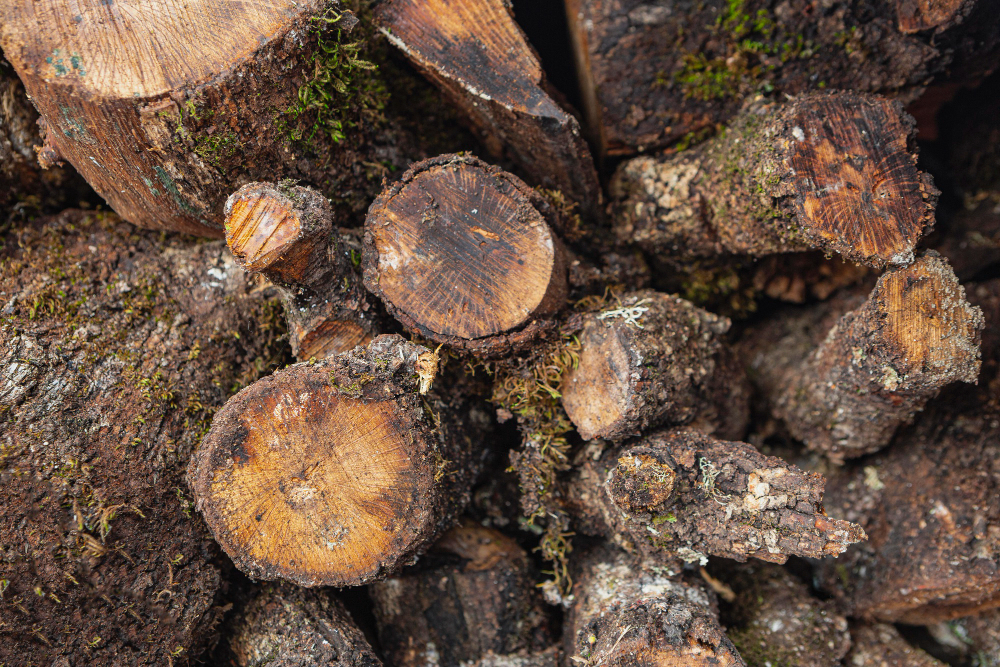
Termites are among the most destructive pests affecting buildings, particularly structures containing cellulose-based materials such as wood. Effective termite management requires an appropriate control strategy because termites live in highly organized colonies.
One active ingredient used for termite management is hexaflumuron, an insecticide with a mode of action that differs from conventional neurotoxic insecticides.
Table of Content:
- What Is Hexaflumuron?
- How Does Hexaflumuron Control Termites?
- Effectiveness of Hexaflumuron as a Termiticide
- Factors Affecting Hexaflumuron Effectiveness
- Why Is Hexaflumuron Efficacy Testing Important?
What Is Hexaflumuron?
Hexaflumuron is an insect growth regulator (IGR) that belongs to the group of chitin synthesis inhibitors. It interferes with the formation of chitin, an essential component of the insect exoskeleton.
For termites, molting is an important process for growth and development. When this termiticide disrupts chitin formation, termites may experience difficulties during molting, resulting in impaired development and eventually mortality.
This mode of action distinguishes hexaflumuron from insecticides that primarily target the insect nervous system and produce relatively rapid effects. This termiticide generally acts more gradually and is therefore commonly associated with termite baiting systems designed to affect termite colonies
Read Also:
Termiticides for Eliminating Termites : 5 Important Facts You Should Know
How Does Hexaflumuron Control Termites?
One important application of hexaflumuron is through a termite bait system. In this approach, the termiticide is incorporated into a bait material that is attractive and consumable by worker termites
Worker termites that consume the bait can carry the termiticide back to the colony. Because termites are social insects, the active ingredient can potentially be transferred through interactions among colony members.
Laboratory research has demonstrated that hexaflumuron can be transferred between termites and subsequently contribute to population suppression. This characteristic makes hexaflumuron particularly relevant for termite management strategies that aim to affect the colony rather than simply eliminate individual termites encountered during treatment.
Effectiveness of Hexaflumuron as a Termiticide
Research has demonstrated the potential of hexaflumuron for termite control under both laboratory and field conditions. A field study involving Coptotermes curvignathus in Malaysia found that cellulose bait containing 0.5% hexaflumuron resulted in the cessation of activity in four treated colonies within approximately 25 to 44 days after bait placement.
Another field study involving Odontotermes formosanus evaluated durable hexaflumuron baits over a larger area. After two years, the number of termite-occupied monitoring points decreased substantially, while wood consumption also declined.
Hexaflumuron was detected in dead termite colonies, supporting the potential of the bait system to deliver the active ingredient to the colony. However, hexaflumuron does not necessarily produce immediate mortality.
Reviews of termite baiting systems indicate that colony elimination using chitin synthesis inhibitors such as hexaflumuron may require several weeks or months, depending on termite species, bait design, colony characteristics, and environmental conditions.
Factors Affecting Hexaflumuron Effectiveness
The effectiveness of hexaflumuron as a termiticide can be influenced by several factors, including active ingredient concentration, bait formulation, termite species, bait consumption, foraging behavior, environmental conditions, and colony size. Termite behavior is particularly important because the success of a baiting system depends on termites finding and consuming the bait.
Differences in feeding preferences and foraging patterns may therefore affect the amount of active ingredient introduced into a colony. For this reason, evaluating a hexaflumuron-based product should involve an observation period appropriate to its mode of action.
Relevant testing parameters may include termite mortality, time to mortality, bait consumption, behavioral changes, and reduction in termite activity.
Why Is Hexaflumuron Efficacy Testing Important?
Efficacy testing is important for determining how termites respond to a hexaflumuron-containing formulation under controlled conditions. Testing can provide objective data on the ability of a product to cause termite mortality and reduce termite activity.
Efficacy studies can also support product development, formulation evaluation, research activities, and performance assessment of termite control products. Controlled testing allows researchers to evaluate product performance using predefined conditions and measurable parameters.
Test Hexaflumuron Efficacy at IML Research
Want to determine the effectiveness of hexaflumuron as a termiticide against termites? IML Research provides testing services to evaluate the efficacy of pest control products against target organisms.
Testing can be tailored according to the research objectives, product formulation, termite species, exposure system, and efficacy parameters to be evaluated. The resulting data can support research, product development, formulation evaluation, and termite control efficacy assessment.
Contact IML Research to learn more about hexaflumuron efficacy testing, available testing methods, sample requirements, and other pest control product testing services.
Author: Indah
Editor: Lina
References
Sajap, A. S., Yacob, M. N., & Wahab, Y. A. (2000). Evaluation of hexaflumuron for controlling the subterranean termite Coptotermes curvignathus (Isoptera: Rhinotermitidae) in Malaysia. Journal of Economic Entomology, 93(2), 429–432. https://doi.org/10.1603/0022-0493-93.2.429
Chiu, C. I., et al. (2022). Area-population control of fungus-growing termite, Odontotermes formosanus, using hexaflumuron durable baits. Pest Management Science.
Su, N. Y. (2014). Termite baiting 20 years after commercial release. Pest Management Science, 70(6), 897–906.
Forschler, B. T., et al. (2005). Effect of hexaflumuron on mortality of the Western subterranean termite (Isoptera: Rhinotermitidae) during and following exposure and movement of hexaflumuron in termite groups. Journal of Economic Entomology.
Osbrink, W. L. A., Cornelius, M. L., & Lax, A. R. (2011). Areawide field study on effect of three chitin synthesis inhibitor baits on populations of Coptotermes formosanus and Reticulitermes flavipes (Isoptera: Rhinotermitidae). Journal of Economic Entomology, 104(3), 1009–1017. https://doi.org/10.1603/EC10217