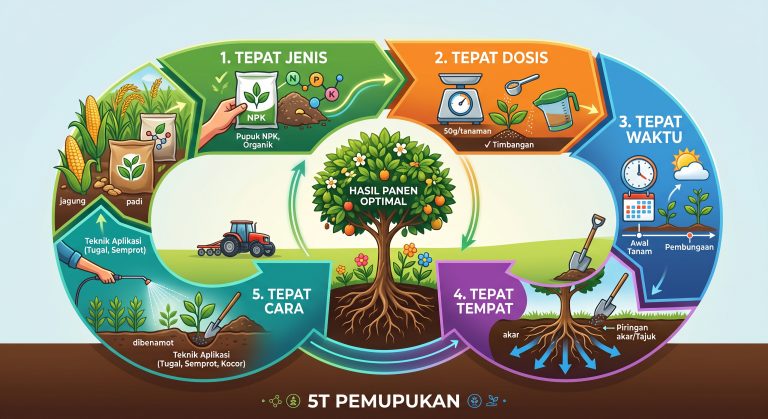
Why Fertilizer Testing Matters: Validation Strategies in the Lab and in the Field

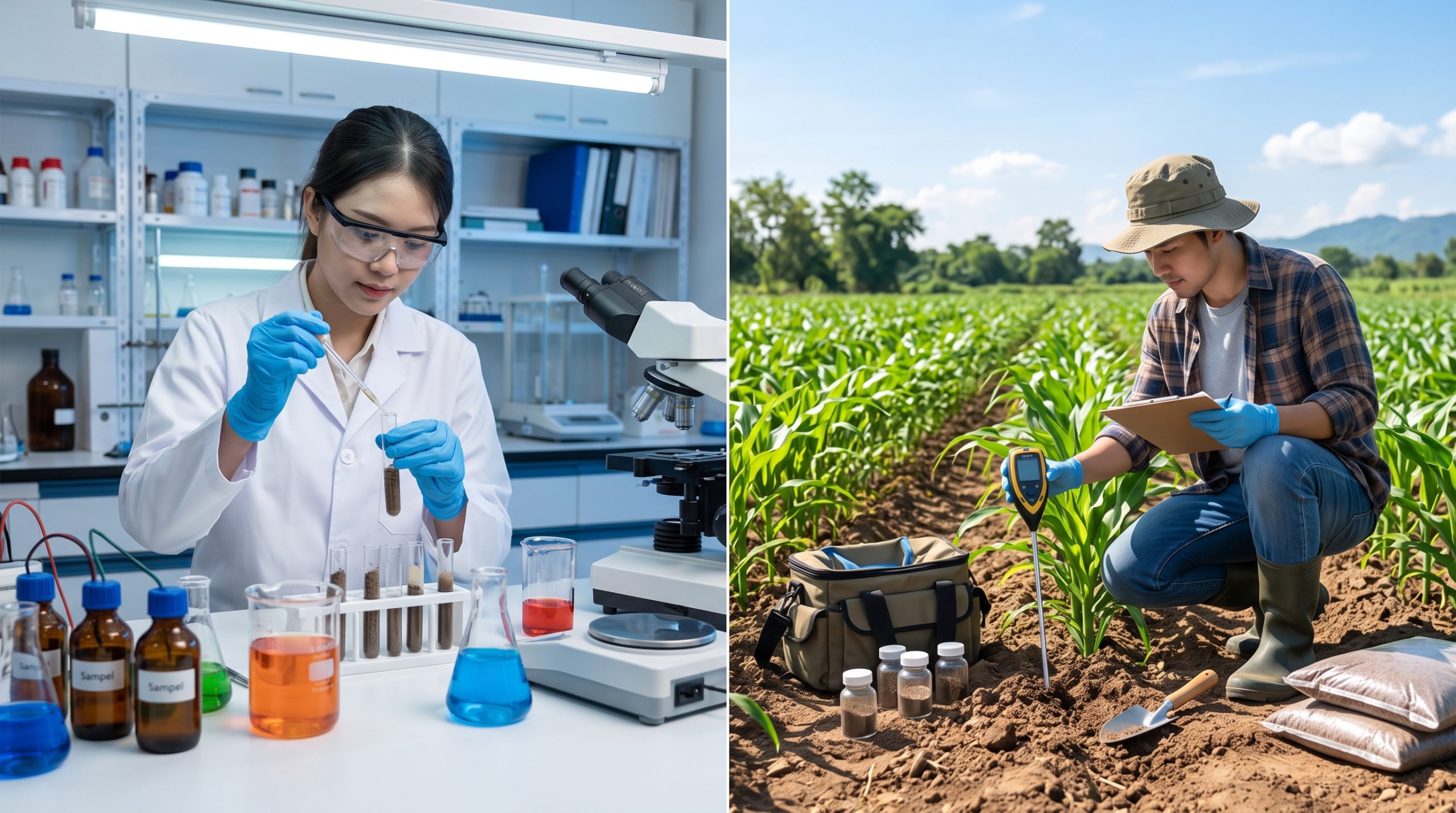
Ever wondered why the same fertilizer sometimes works wonders and other times falls flat? The answer usually comes down to fertilizer quality. Fertilizer testing, both in the laboratory and directly in the field, is the key to making sure a fertilizer truly meets the standard and performs as expected.
This article explains why these two types of testing matter equally and how they complement each other.
Table of Content:
- Fertilizer Testing: Confirming Nutrient Content Matches the Label
- Field Testing: Proving Effectiveness on the Ground
- Why Both Types of Testing Must Go Hand in Hand
- Long-Term Benefits for Farmers and Industry
Fertilizer Testing: Confirming Nutrient Content Matches the Label
fertilizer testing measures the exact nutrient content of a fertilizer to check whether it meets the required standard. For example, Urea fertilizer must contain a minimum of 45% nitrogen, while SP-36 fertilizer must contain at least 36% phosphate (P2O5).
This fertilizer testing also covers moisture content, free acid levels, and heavy metal content, which can be harmful if it exceeds the safe threshold. Organic and biological fertilizers must be tested in the laboratory as well.
For organic fertilizers, the parameters checked include the C/N ratio, moisture content, heavy metals such as arsenic (As) and cadmium (Cd), and the presence of pathogenic microbes such as E. coli and Salmonella. For biological fertilizers, laboratories check the population of active microbes they contain, since this is what determines their effectiveness.
Read Also:
Plant Fertilizer Testing: Why It Strategies Matters Before Products Are Marketed?
Field Testing: Proving Effectiveness on the Ground
Passing laboratory testing does not automatically mean a fertilizer will perform well in the field. This is where field testing, or agronomic testing, comes in.
It involves applying the fertilizer directly to crops to observe the response, such as root growth, leaf health, and final yield. Field trials usually compare a plot treated with the test fertilizer against a control plot.
Field testing also confirms whether a fertilizer suits local soil and climate conditions. Good laboratory results do not always translate into the same performance across different soil types, such as acidic soil or sandy soil.
Why Both Types of Testing Must Go Hand in Hand
Laboratory testing provides certainty about chemical composition, while field testing provides real-world proof of performance. Relying on just one can be misleading.
A fertilizer with perfect nutrient content on paper, for instance, may still underperform if its nutrients release too quickly or too slowly for a particular crop. Fertilizer quality control in the market also relies on a combination of both tests, from formula planning and procurement to distribution to farmers.
The goal is clear: protecting farmers from counterfeit or substandard fertilizers.
Long-Term Benefits for Farmers and Industry
Consistent testing helps maintain farmers' trust in fertilizer products while protecting manufacturers from regulatory risks. For the fertilizer industry, complete laboratory and field test results also provide a solid basis for product registration and quality claims that can be justified both legally and scientifically.
Conclusion
Fertilizer testing in the laboratory and in the field is not an either-or choice, both complement each other to ensure a fertilizer is truly high quality and effective. With this combined approach, the fertilizer that reaches farmers becomes more reliable, and crop yields become more optimal.
Inaccurate Fertilizer Claims Can Trigger Crop Failures and Destroy Your Brand's Reputation!
Want to make sure your fertilizer or agricultural product meets the required quality and effectiveness standards? Get it tested at IML Research and Testing today. Contact our expert team today to claim your priority testing schedule.
Author: Fachry
Editor: Lina
References
Purba, T., Situmeang, R., Rohman, H. F., Mahyati, Arsi, Firgiyanto, R., Junaedi, A. S., Sa'adah, T. T., Junairiah, Herawati, J., & Suhastyo, A. A. (2021). Pupuk dan Teknologi Pemupukan. Yayasan Kita Menulis.
Ministry of Agriculture of the Republic of Indonesia. (2020). Pedoman Pengawasan Pupuk dan Pestisida [Fertilizer and Pesticide Oversight Guidelines]. Directorate General of Agricultural Infrastructure and Facilities.