5 Fertilizer Application Methods Every Farmer Should Know: Strategies for Maximum Yield

Ever bought premium fertilizer only to see disappointing results? The problem might not be the fertilizer itself — it could be your fertilizer application method. Getting the right type and dose is only half the battle; how you actually deliver it to the plant determines how much of that nutrient the plant really absorbs.
Let's walk through the most common fertilizer application methods, from the simplest hand-broadcasting to drone spraying.
Table of Content:
- Broadcasting and Soil Placement
- Foliar Application
- Fertigation
- Aerial and Drone Application
- Root Infusion for Special Cases
Broadcasting and Soil Placement
The most classic fertilizer application method is broadcasting — scattering fertilizer evenly across the soil surface. It's fast and works well for densely planted crops like rice, though it can also encourage weed growth.
For perennial crops such as coffee or oil palm, pocket placement (burying fertilizer in a hole near the root zone) keeps nutrients closer to the roots and reduces volatilization. Other soil-based fertilizer application methods include sideband placement (fertilizer set beside the plant), in-the-row placement (spread along the planting line), top/side dressing (applied during active growth stages), and pop-up application (mixed with the seed at planting to jumpstart germination).
Read Also:
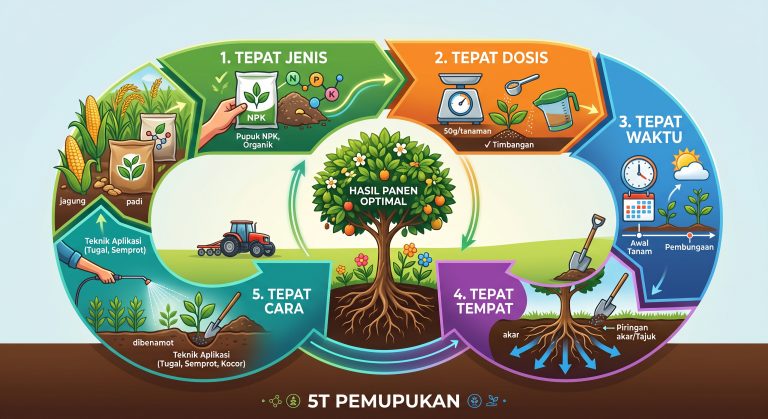
The 5 Rights of Fertilization: Strategies for Less Wasted Fertilizer and Better Harvests
Foliar Application
When a plant needs a quick nutrient boost, foliar application — spraying liquid fertilizer directly onto the leaves — does the trick fast. Farmers typically use hand sprayers for small plots or compressor-powered sprayers for larger fields.
Just be careful with the concentration during your fertilizer application: too strong a mix can burn the leaves, so it's best to spray the underside of the leaves in the early morning and avoid spraying right before rain.
Fertigation
Fertigation delivers fertilizer through the irrigation water itself, and it's especially popular in hydroponic systems and drip irrigation setups. Because nutrient levels can be adjusted precisely for each growth stage, fertigation is highly efficient and keeps the growing medium relatively free of leftover fertilizer residue.
Aerial and Drone Application
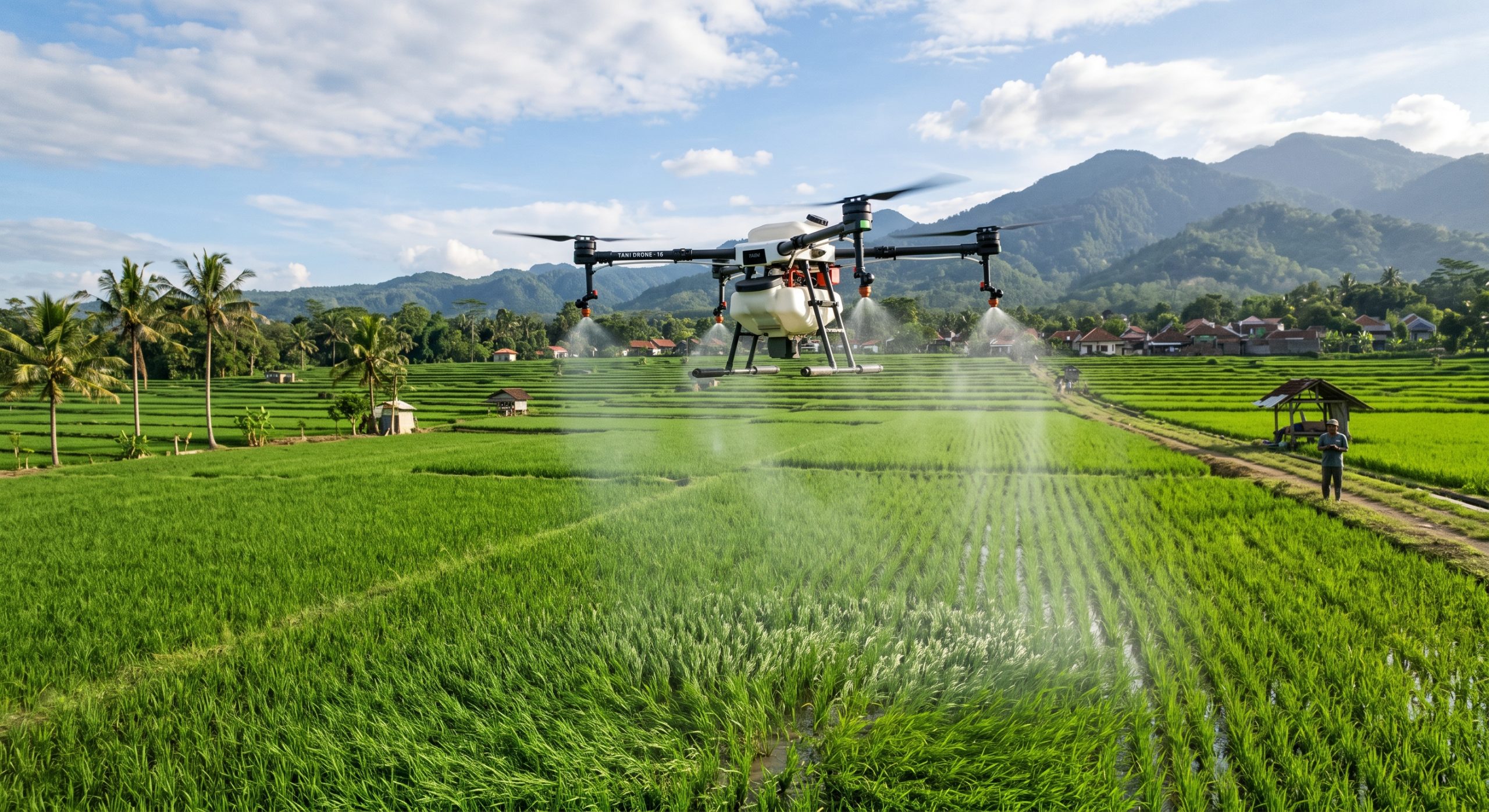
For large fields or hard-to-reach terrain — think mountainous plantations or sprawling rice paddies — aerial fertilizer application by drone or small aircraft has become an increasingly popular option. This method saves significant time and labor, especially across many hectares of farmland at once.
Root Infusion for Special Cases
This is a more unusual method: fertilizer is fed directly into the plant's vascular system through a deliberately cut root connected to an infusion container buried in the soil. It's typically reserved for emergency situations, such as weak plants suffering from acute nutrient deficiency that need immediate intervention.
Conclusion
At the end of the day, there's no single ‘best' fertilizer application method — it all depends on the crop type, soil conditions, and the fertilizer you're using. What matters most is sticking to the 5 Rights principle: the right type, the right dose, the right time, the right place, and the right method, so nutrients are absorbed as efficiently as possible instead of going to waste.
Before deciding which application method suits your field best, it helps to know exactly what's in your fertilizer and how effective it really is. Get your fertilizer's nutrient content and quality tested at IML Research and Testing, and make every application count.
Even the Best Application Methods Are Useless if Your Fertilizer Quality is Substandard!
Do not let your fertilizer product face market rejection or fail farmers due to inaccurate nutrient claims. Guarantee your NPK percentages, micro-nutrients, and overall product safety strictly meet national standards with precision laboratory testing at IML Testing and Research.
Consumer trust in the agricultural sector is hard to build but incredibly easy to lose. Validate your fertilizer's quality right now before competitors dominate your market! Contact our expert team today for priority testing schedules.
Author: Fachry
Editor: Lina
Daftar Pustaka
Purba, T., Situmeang, R., Rohman, H. F., Mahyati, Arsi, Firgiyanto, R., Junaedi, A. S., Sa'adah, T. T., Junairiah, Herawati, J., & Suhastyo, A. A. (2021). Pupuk dan Teknologi Pemupukan. Yayasan Kita Menulis.