Counterfeit Medicines in Indonesia: Dangers, Detection, and the Role of Laboratories

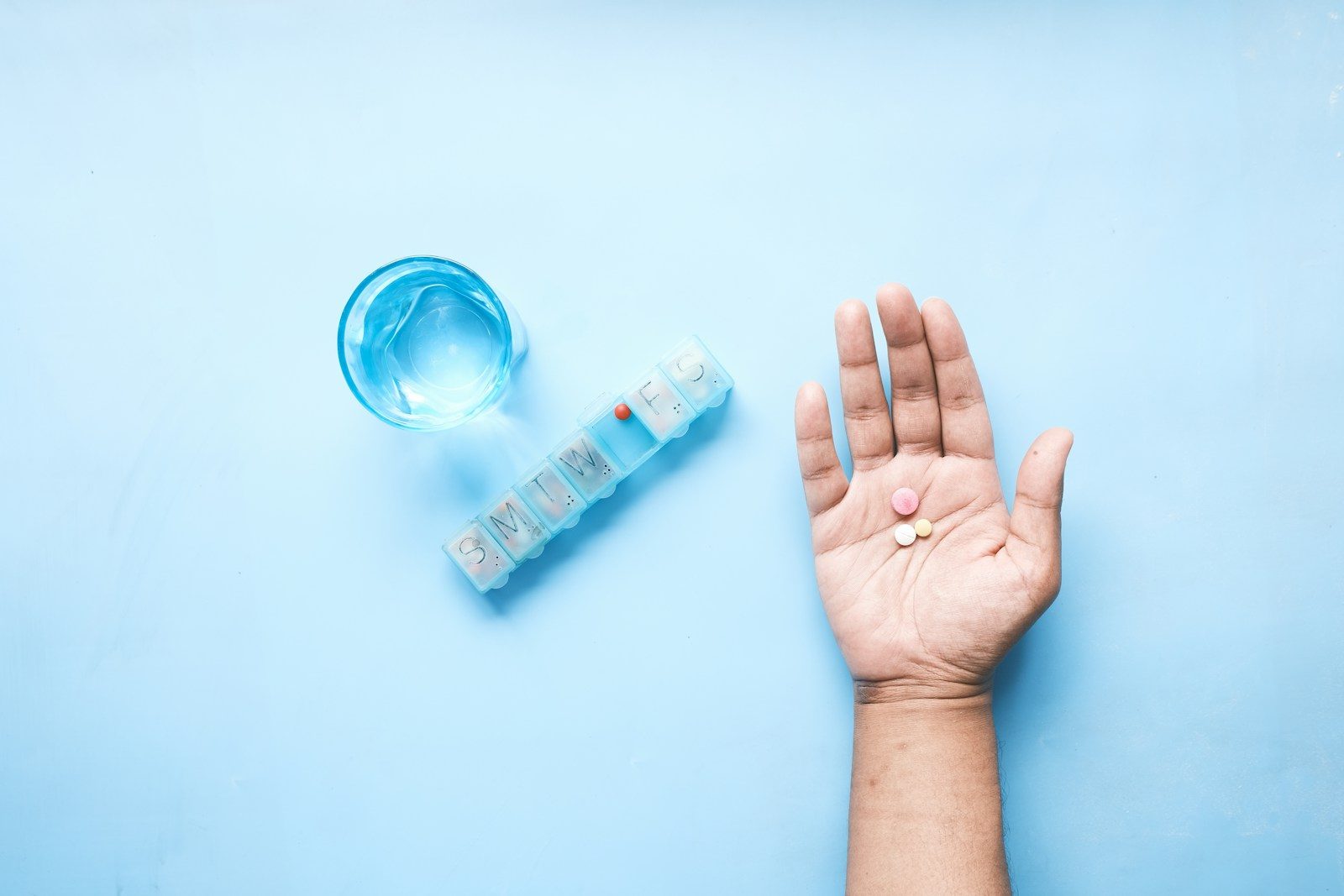
Imagine a product that looks identical to a genuine medicine similar packaging, same brand name, even a seemingly valid registration number printed on the label yet contains none of the active ingredients needed for treatment, or worse, harbors dangerous chemical compounds.
This is the reality of counterfeit medicines, which continue to circulate freely in the market, even on digital platforms, to this day. The scale of the problem is far greater than most people realize. WHO estimates that approximately 1 in 10 medical products in low and middle income countries is substandard or falsified.
In Indonesia alone, BPOM submitted takedown recommendations for 14,787 links promoting counterfeit or unlicensed medicines between 2022 and September 2025. These numbers are not mere statistics they reflect the severity of a threat faced daily by the pharmaceutical industry, distributors, and consumers alike.
Table of content :
- What Are Counterfeit Medicines?
- The Real Dangers Behind a Convincing Package
- Warning Signs of Counterfeit Medicines
- Scientific Detection: The Role of Laboratories
- BPOM Regulations and Legal Sanctions
What Are Counterfeit Medicines?
Counterfeit medicines are not simply about ineffective products. Poor quality drugs are classified into three main types: falsified through intentional fraudulent manufacturing, substandard due to unintentional manufacturing errors, and degraded medicines that become poor quality after manufacturing because of poor storage or handling.
All three are dangerous, but intentional falsification poses the greatest threat, as perpetrators knowingly sacrifice consumer safety for financial gain.
The Real Dangers Behind a Convincing Package
The health consequences of counterfeit medicines are severe and far reaching. Dangers include cardiovascular disorders, vision impairment, mental disturbances, reduced immunity, liver and kidney damage, long term organ damage, and even the risk of death when used without medical supervision. For pharmaceutical manufacturers and distributors, counterfeit products also directly impact brand reputation, cause financial losses, and expose businesses to legal liabilities that can threaten long term viability.
Read also:
Understanding Types of Medicines: Which Ones Require a Doctor’s Prescription?
Warning Signs of Counterfeit Medicines
Visual inspection is the first step recommended by WHO before proceeding to more advanced testing. BPOM highlights several early warning signs: packaging that looks different or thinner than usual, unusual or health disturbing effects after use, and prices significantly lower than market rates without justification.
Additionally, poor packaging quality, unclear printing of numbers or information, unrecognized manufacturer names, and the absence of a distribution permit number on the packaging are strong visual indicators that warrant immediate laboratory follow up.
Scientific Detection: The Role of Laboratories
Visual inspection alone is no longer sufficient particularly for manufacturers and distributors who need robust scientific evidence that holds up in court. Laboratories use advanced analytical technologies such as mass spectrometry (MS), FTIR spectroscopy, Raman spectroscopy, nuclear magnetic resonance (NMR), GC-MS, and LC-MS to accurately identify the contents of suspected counterfeit medicines.
These technologies can differentiate genuine from counterfeit drugs quantitatively not just detecting the presence of active pharmaceutical ingredients, but verifying that they are present in the correct dosages. Qualitative tests detect whether the active pharmaceutical ingredient (API) is present, while quantitative tests ensure the API is present in the correct dosage.
BPOM Regulations and Legal Sanctions
Indonesia enforces strict regulations against counterfeit medicine distribution. Business operators proven to produce or distribute counterfeit medicines face criminal sanctions of up to 5 years imprisonment and fines of up to IDR 2 billion under Article 62 paragraph (1) in conjunction with Article 8 paragraph (1) letter a of Law No. 18 of 1999 on Consumer Protection. Law No. 17 of 2023 on Health also contains firm sanctions for violations in the pharmaceutical sector.
For legally operating manufacturers and distributors, routine laboratory testing is not merely a regulatory obligation it is the most effective form of business protection available.
Has Your Pharmaceutical Product Been Tested? Verify Its Authenticity with IML!
Counterfeit medicine distribution is not just a threat to consumers it is a direct threat to your brand reputation, legal standing, and business continuity. Whether you are a pharmaceutical manufacturer looking to verify product quality, a distributor wanting to ensure a counterfeit free supply chain, or a consumer seeking to confirm the authenticity of the medicine you use
IML Testing & Research offers internationally recognized testing methods accepted by BPOM RI. Consult your pharmaceutical testing needs today and make the laboratory your first line of defense against counterfeit medicines.
Author: Alphi
Editor: Alphi
References
Indonesian Food and Drug Authority (BPOM RI). (2025). BPOM Launches Counterfeit Medicine Risk Communication Channel. pom.go.id
Law No. 17 of 2023 on Health (Indonesia).
Law No. 18 of 1999 on Consumer Protection, Article 62 (Indonesia).
Nayyar, G.M.L., et al. (2015). The Global Pandemic of Falsified Medicines: Laboratory and Field Innovations and Policy Perspectives. The American Journal of Tropical Medicine and Hygiene.
Bate, R., et al. (2014). Technologies for Detecting Falsified and Substandard Drugs in Low and Middle-Income Countries. PLOS ONE.
World Health Organization. WHO Guidance on Testing of Suspect Falsified Medicines. who.int