Stop Crushing Film Coated Tablets: The Facts You Need to Know

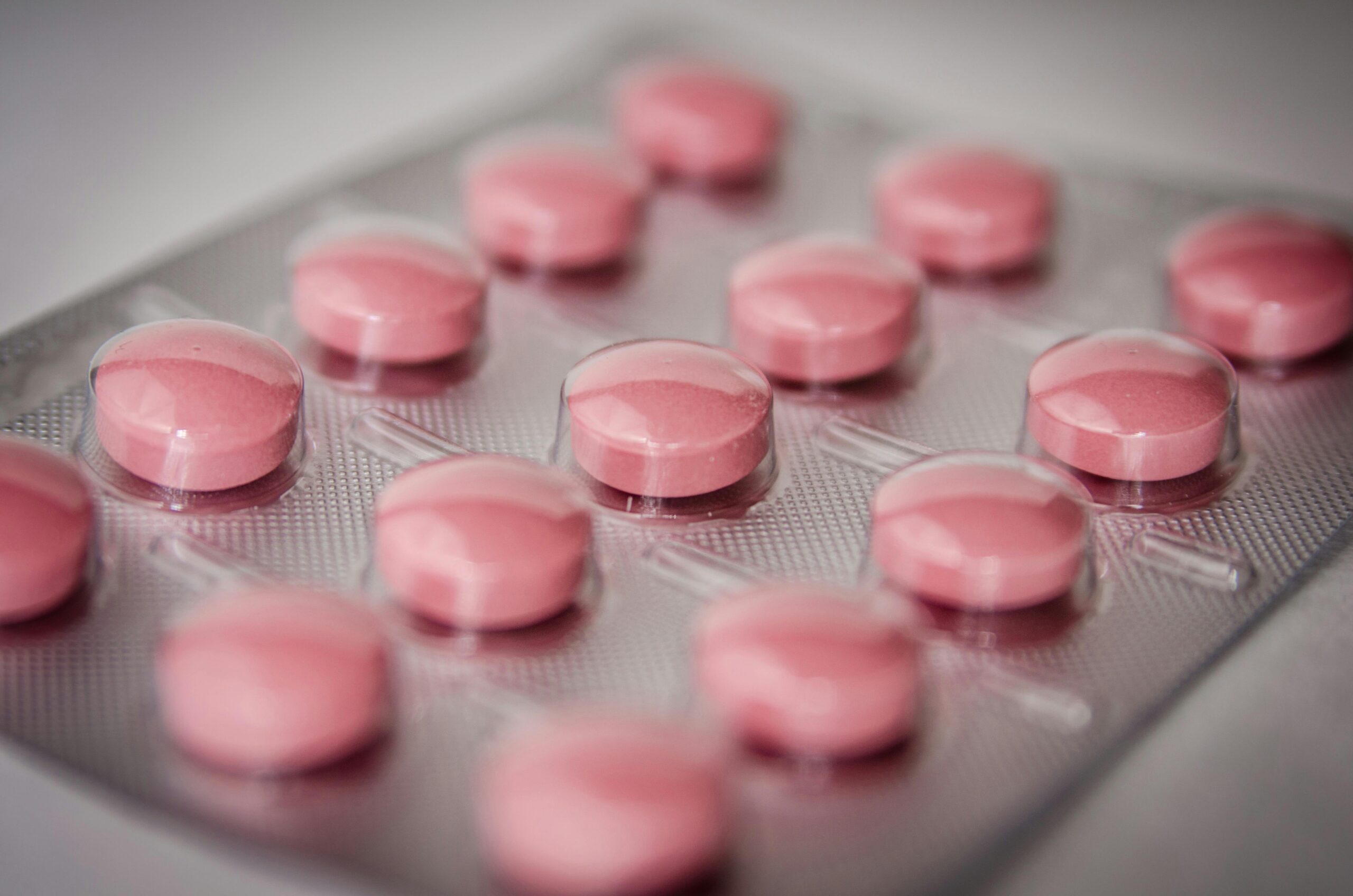
Tablets are one of the most widely used dosage forms because they are practical, stable, and easy to use. One commonly encountered type is the film coated tablet.
Which is a tablet covered with a specific coating for particular purposes, such as protecting the drug from stomach conditions, masking an unpleasant taste, or controlling how the drug is released in the body.
Table on Content :
What Are Film Coated Tablets and Drug Release Systems?
Film bcoated tablets have an outer layer designed either to protect the drug or to influence how the drug is released after swallowing. Based on the mechanism of drug release, tablets can be classified into two groups: immediate-release tablets and modified release tablets.
Immediate release tablets rapidly release the active ingredient into the gastrointestinal tract. As a result, drug absorption into the bloodstream occurs quickly, and the therapeutic effect can be felt in a short time.
In contrast, are specially formulated to control the rate at which the active ingredient is released. Modified release drugs are generally divided into two main types: extended release (ER) and delayed release (DR) formulations.
According to the United States Pharmacopeia (USP), ER drugs are designed to release the active substance slowly and gradually over a longer period after administration. Meanwhile, DR drugs are formulated to delay the release of the active ingredient for a certain time after the drug is taken.
Read also :
Generic Drugs vs Patented Drugs: What’s the Difference and Are They Equally Effective?
Risks of Crushing Modified Release Tablets
Tablet crushing is often performed to help patients who have difficulty swallowing. In some situations, crushing tablets can cause the drug to be absorbed more quickly because it no longer needs to disintegrate in the stomach.
As a result, effective drug concentrations in the bloodstream may be reached faster. This can be beneficial in pain management, where a rapid onset of action is required.
For regular film coated tablets that only serve to mask a bitter taste, crushing mainly results in an unpleasant taste. However, crushing specially coated tablets, such as those with modified release systems, can lead to undesirable effects.
Crushing destroys the intended function of the formulation. Consequently, a drug that should be released gradually may be released all at once, increasing the risk of side effects or dangerous overdosing, which may even be fatal.
In addition, laxatives such as bisacodyl are designed to work in the large intestine and have an acid resistant coating. If these tablets are crushed, the protective layer is damaged, causing the drug to break down in stomach acid and fail to reach its intended site of action, the large intestine.
Crushing tablets may also increase the risk of gastric irritation, as seen with acetylsalicylic acid, or esophageal irritation, as with alendronate. Beyond patient risks, tablet crushing can also pose hazards to healthcare workers.
Drug powders released during crushing may be inhaled, creating occupational safety concerns, particularly in long term care facilities. Therefore, the public should be more cautious when using medications and avoid crushing tablets indiscriminately.
If swallowing difficulties occur, consulting a pharmacist or other healthcare professional is the best approach to obtain safer and more appropriate alternative dosage forms.
Tablet Quality Testing
However, to ensure that tablets are truly stable, safe, and function as intended, various laboratory tests are required, such as efficacy testing, toxicity testing, stability testing, as well as product quality and content analysis. Through proper testing, manufacturers can ensure that product quality remains consistent and meets applicable standards.
If you are a developer or business owner of pharmaceutical and healthcare products, make sure your tablet formulations have undergone accurate testing with IML Testing and Research. Consult your efficacy testing and other laboratory testing needs with the IML expert team to ensure your product quality is more reliable and well assured.
Author : Jihan
Editor : Alphi
REFERENCES
Ahmed, N., Ly, H., Pan, A., Chiang, B., Raines, K., Janwatin, T., Hamed, S., & Dave, K. (2023). Retrospective analysis of the biopharmaceutics characteristics of solid oral modified-release drug products in approved US FDA NDAs designated as extended-release or delayed-release formulations. European Journal of Pharmaceutics and Biopharmaceutics, 193, 294–305.
Sus, J., Bosak, J., & Hauser, T. (2024). Crushing tablets or sprinkling capsules: Implications for clinical strategy and study performance based on BE studies of rivaroxaban and deferasirox. Clinical and Translational Science, 17(3), e13752.