


How Environmental Toxicity Testing Reveals the Impact of Gold Mine Waste?

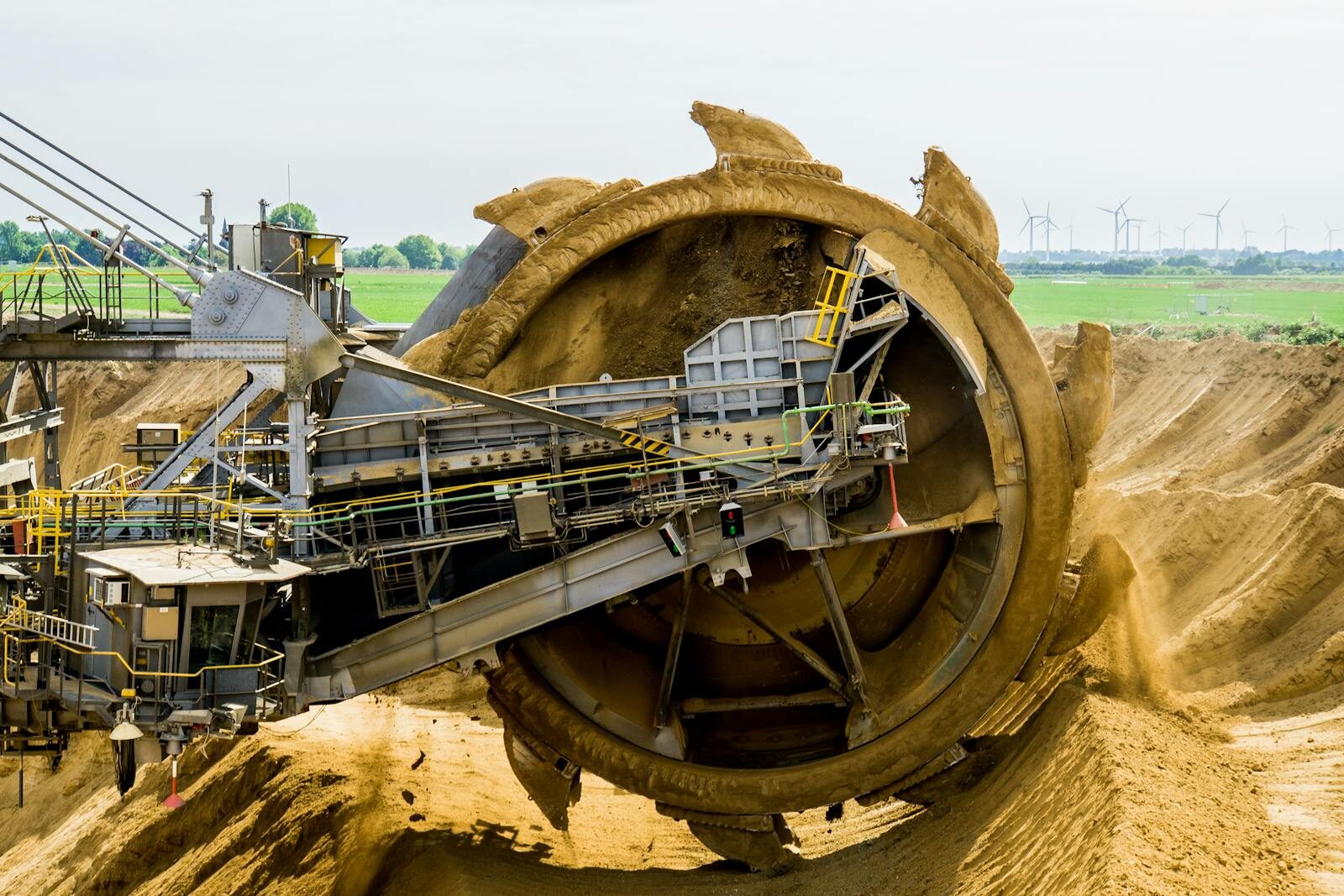
Gold mining is often associated with prosperity and high economic value. However, behind the shine of this precious metal lies a trail of mining activities that leave significant environmental impacts.
The footprint of gold mining is not only visible through physical landscape changes, but can also be traced through various environmental assessments and scientific toxicity tests.
From these testing results, important facts are revealed about the condition of ecosystems surrounding gold mining areas.
- Gold Mining Footprints and Environmental Changes
- The Role of Gold Mine Waste Testing
- Scientific Findings Revealed by Testing Results
- The Importance of Gold Mine Waste Testing for Environmental Protection
- Towards More Responsible Gold Mining
Gold Mining Footprints and Environmental Changes
Gold mining activities, both large-scale industrial operations and small-scale community mining, generally generate waste in the form of tailings, acid mine drainage, and contaminated sediments.
This waste may contain hazardous heavy metals such as mercury, arsenic, lead, and cadmium. If not properly managed, these substances can contaminate soil and surrounding water bodies, disrupting living organisms.
Pollution traces are often invisible to the naked eye. Therefore, gold mine waste testing becomes a crucial step in detecting hidden impacts that cannot be observed visually.
The Role of Gold Mine Waste Testing
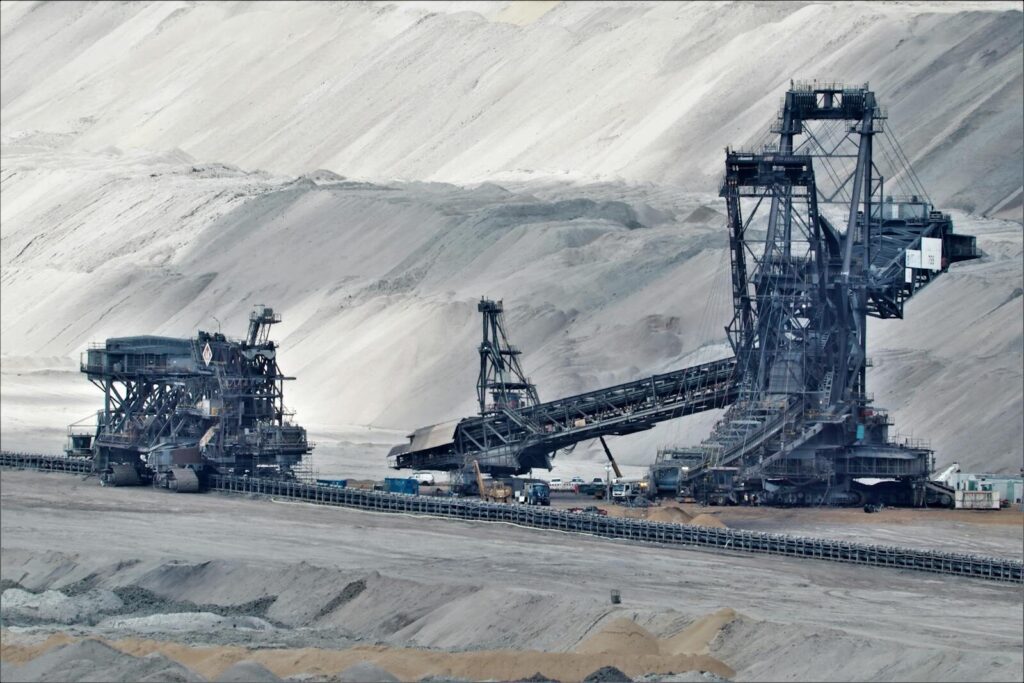
Source: Pexel
Gold mine waste testing is conducted to assess the level of contamination and toxicity of waste on the environment. This testing includes analysis of water, soil, and sediment quality, as well as environmental toxicity tests using living organisms as bioindicators.
Read more:
How Safe Are Mining Activities for the Environment? The Answer Lies in Mining Waste Toxicity Testing
This approach enables a more objective and measurable evaluation of ecological impacts. Environmental toxicity tests are commonly used to determine both acute and chronic effects of mining waste on aquatic organisms such as fish, zooplankton, and microorganisms.
Parameters such as survival rate, growth, and physiological responses serve as key indicators in assessing the hazard level of gold mine waste.
Scientific Findings Revealed by Testing Results
Various studies show that gold mining footprints can significantly reduce environmental quality. Heavy metal concentrations exceeding safe threshold limits may cause aquatic organism mortality, reduce biodiversity, and disrupt aquatic food chains.
In addition, testing results reveal that the impacts of gold mining are often long-term. Even after mining activities have ceased, residual tailings and contaminated sediments can continue releasing hazardous substances for years. This makes post-mining environmental testing just as important as testing during operational phases.
The Importance of Gold Mine Waste Testing for Environmental Protection
Gold mine waste testing serves as an environmental risk evaluation tool and an early warning system against potential ecosystem damage. Testing data can be utilized by governments, mining industries, and communities to develop more sustainable environmental management strategies.
Furthermore, toxicity test results form the basis for reclamation policies, post-mining land rehabilitation, and enforcement of environmental regulations. Through continuous testing, the negative impacts of gold mining can be minimized and controlled from an early stage.
Towards More Responsible Gold Mining
The footprint of gold mining revealed through environmental toxicity testing provides an important lesson that natural resource exploitation must be balanced with ecological responsibility. The implementation of environmentally friendly technologies, proper waste management, and routine environmental monitoring are key to reducing the negative impacts of gold mining.
Public awareness of the importance of gold mining testing also plays a major role in encouraging more sustainable and environmentally responsible mining practices.
Conclusion
What is revealed from the footprint of gold mining is not merely about pollution, but also about the importance of scientific knowledge in maintaining environmental balance.
Through proper gold mine waste testing and environmental toxicity assessments, potential environmental impacts can be identified and managed more effectively. In this way, gold can retain its economic value without sacrificing environmental sustainability in the future.
Author: Indah Nurharuni
Editor: Sabillaa Reza
References:
Akcil, A., & Koldas, S. (2006). Acid mine drainage (AMD): Causes, treatment and case studies. Journal of Cleaner Production, 14(12–13), 1139–1145.
Lottermoser, B. G. (2010). Mine wastes: Characterization, treatment and environmental impacts. Minerals Engineering, 23(6), 476–488.
Tarras-Wahlberg, N. H., Cordy, P., García, M. E., & Perez, J. A. (2001). Environmental impact of small-scale and artisanal gold mining in southern Ecuador. Ambio, 30(8), 484–491.
Liu, J., Zhang, G., & Li, X. (2018). Ecological risk assessment of heavy metals in sediments from mining areas. Environmental Science and Pollution Research, 25, 155–164.
Van Gestel, C. A. M. (2012). Soil ecotoxicology: State of the art and future directions.