Treating Burn Injuries with Toothpaste? What Do Laboratory Tests Say

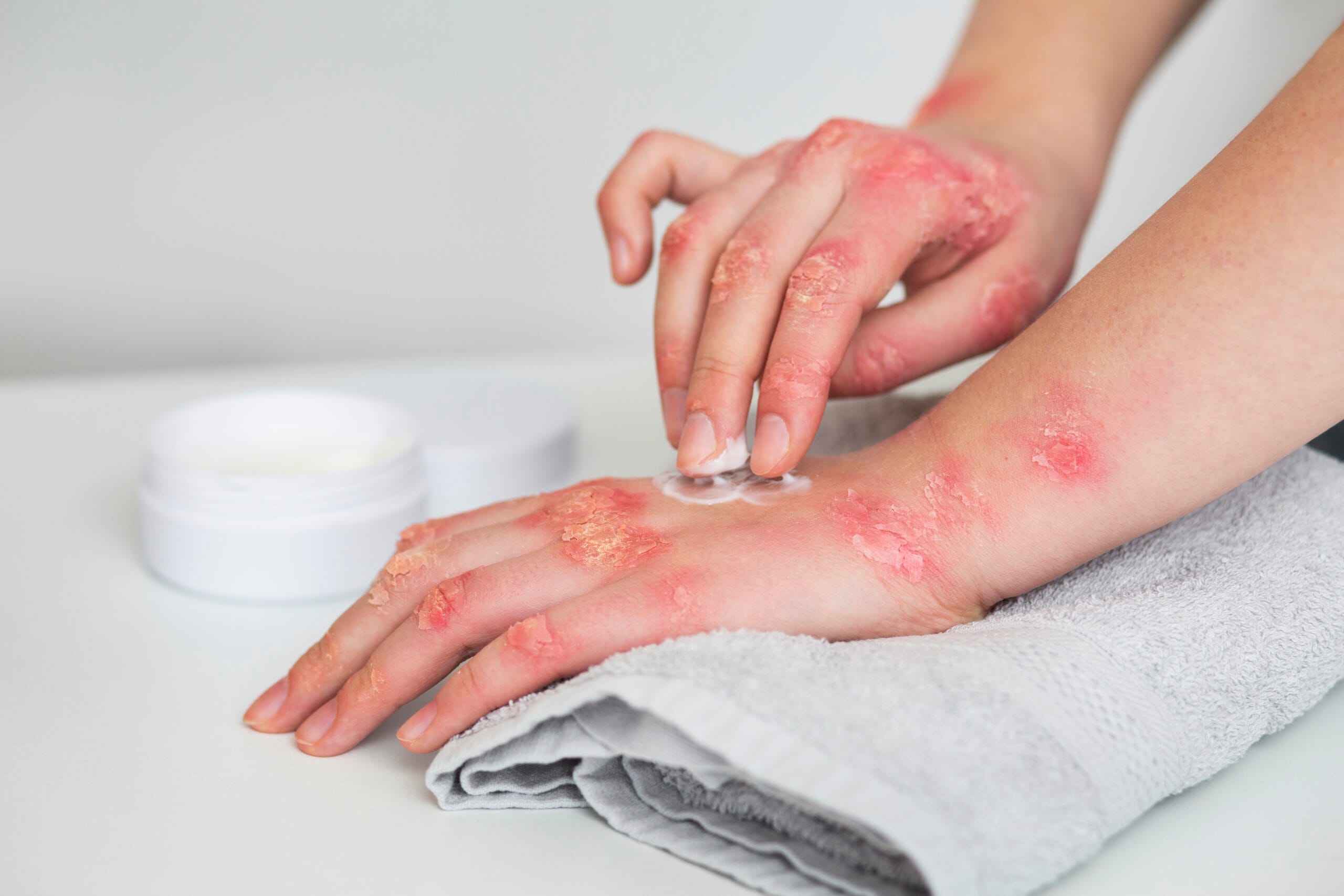
Burns are common injuries that often occur in daily life, whether caused by hot water, hot oil, or accidental contact with high-temperature objects. A burn damages the skin, leading to the death of skin cells and significant loss of body fluids, which can trigger dehydration, electrolyte imbalance, and even kidney and circulatory failure.
Infection is also a major threat for burn victims because damaged skin becomes highly susceptible to bacteria and other pathogens due to the loss of its protective layer. Therefore, prompt and proper burn management is essential.
In the community, one popular method of treating burns involves applying toothpaste. Toothpaste contains ingredients like menthol that create a cooling sensation when applied, which may temporarily reduce the pain from a burn. Because toothpaste is readily available in most households, it often becomes the go-to option in sudden burn incidents.
Additionally, the practice of using toothpaste as first aid has been passed down through generations, making it a common cultural habit. However, it is important to note that applying toothpaste to burns is not recommended and can actually worsen the injury.
Why Is Toothpaste Harmful for Burns?
Burned skin loses its natural protective barrier and becomes extremely vulnerable to infection. Applying toothpaste to a burn can introduce bacteria and other pathogens into the wound. The glycerol commonly found in toothpaste may also act as a growth medium for bacteria, promoting bacterial colonization.
Furthermore, toothpastes contain abrasive substances such as calcium carbonate, detergents like sodium lauryl sulfate, and aromatic compounds such as menthol and mint, all of which can further irritate already damaged tissue. The layer of toothpaste covering the burn can also trap heat beneath the skin surface, slowing the cooling process that is essential for stopping ongoing tissue damage.
What Is Proper Burn Management?
When the skin is burned, the first step is to cool the area under running cool water to prevent further injury. For small burn areas, soaking the affected skin in cool water for about 30 minutes helps reduce pain, swelling, and tissue damage.
For larger burns, the area around the injury should be loosely covered with a clean cloth to prevent overall loss of body heat. Burn care requires careful, daily management to avoid complications.
Dressings should be changed routinely, ideally twice a day or more often if they become moist with wound fluid. During each dressing change, any dead skin tissue must be removed, and the wound should be examined for discoloration or bleeding, which may indicate infection.
The use of topical medications, such as silver sulfadiazine, is also recommended. Silver sulfadiazine is a topical sulfonamide antibiotic that works on the bacterial cell wall and membrane.
For more:
REVEALED! 4 Important Reasons for Laboratory Testing of Topical Medicines
It is effective against a wide range of bacteria, including both Gram-positive and Gram-negative organisms commonly found in burn wounds, such as Staphylococcus aureus. Various first aid myths for burn injuries are still widely believed and practiced, even though not all of them are supported by scientific evidence.
Behind the convenience and long-standing traditions, the use of inappropriate substances can actually worsen tissue damage and increase the risk of infection. Therefore, a science-based understanding is essential in determining safe and effective burn treatment.
The safety and effectiveness of products used for burn treatment must be supported by scientific data through laboratory testing. Microbiological testing, antibacterial efficacy testing, and safety evaluation of topical formulations help ensure that products are truly safe for use on damaged skin. IML Testing and Research provides laboratory testing services to support the development and evaluation of reliable, science-based wound care products.
Author: Jihan
Editor: Sabilla Reza
References:
Burn and Reconstructive Centers of America. (2022). Why You Shouldn’t Put Toothpaste on Burns – Harmful Home Remedies to Avoid. Retrieved on November 14 2025 from https://burncenters.com/community/why-you-shouldnt-put-toothpaste-on-burns-harmful-home-remedies-to-avoid/
Oaks RJ, Cindass R. Silver Sulfadiazine. (2023). In: StatPearls [Internet]. Treasure Island (FL): StatPearls Publishing; 2025 Jan-. Available from: https://www.ncbi.nlm.nih.gov/books/NBK556054/
Shpichka, A., Butnaru, D., Bezrukov, E.A. et al. Skin tissue regeneration for burn injury. Stem Cell Res Ther 10, 94 (2019). https://doi.org/10.1186/s13287-019-1203-3
World Health Organization. (2025). Burn Management.