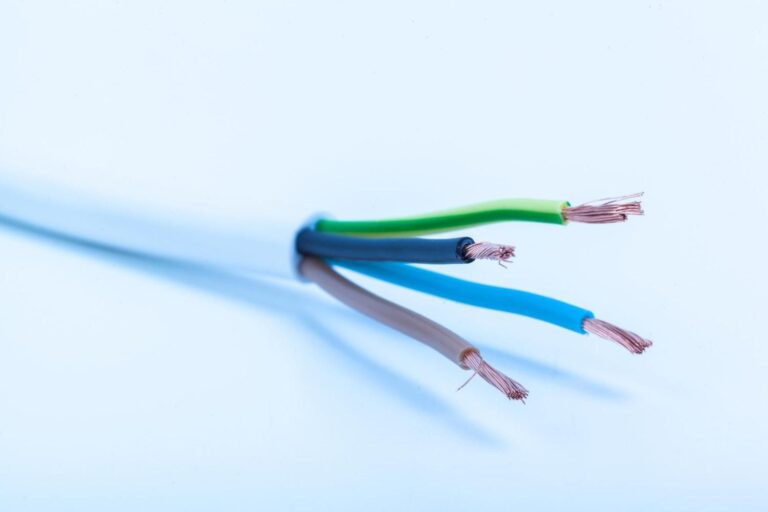
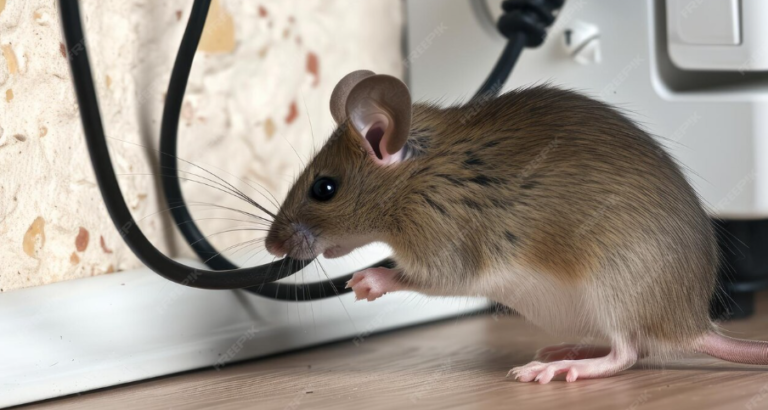
Preventing Cable Damage Caused by Termites through Early Detection and Laboratory Testing

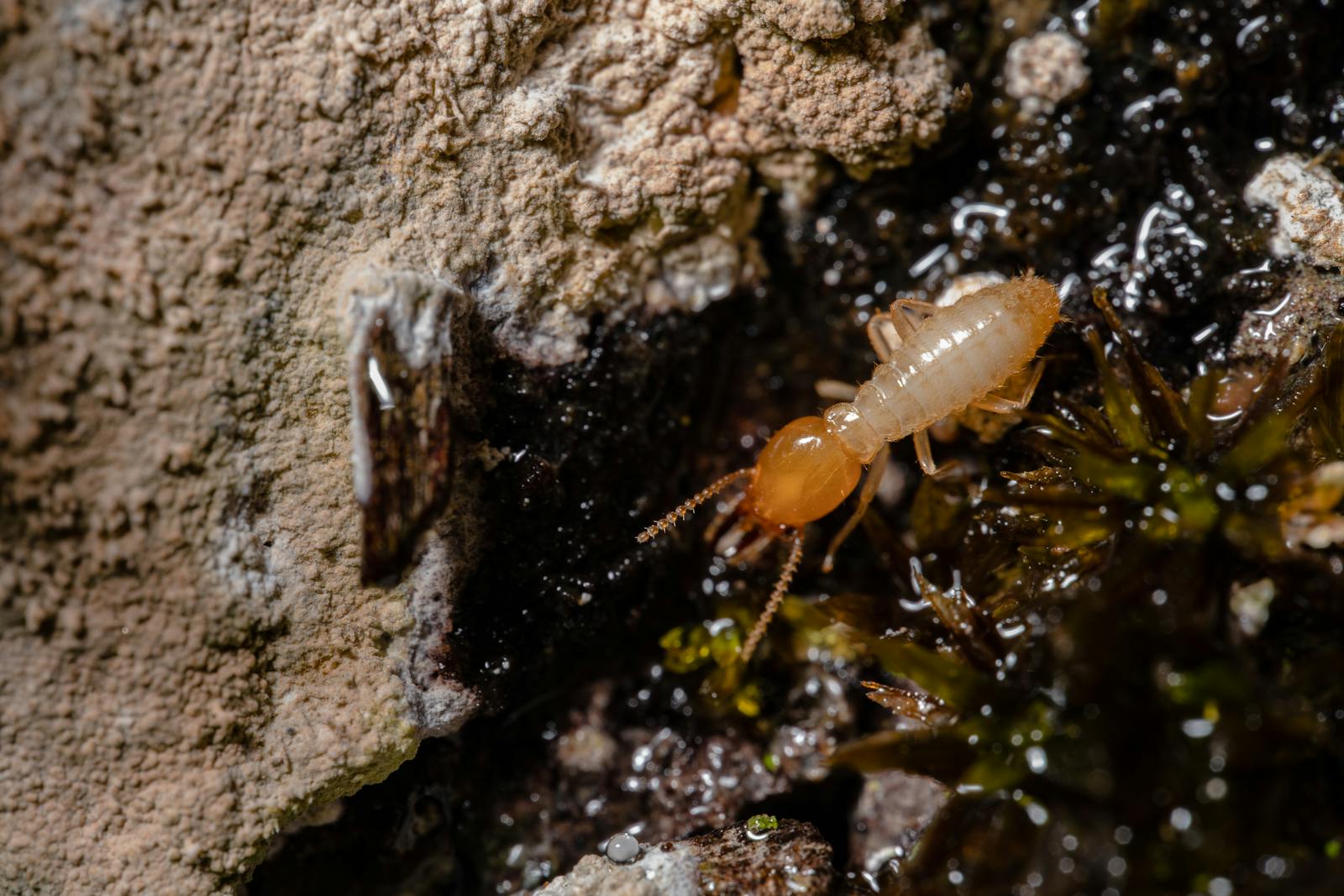
Termites are commonly known as wood destroying insects, but recent studies have shown that they also pose a serious threat to electrical cables in residential, commercial, and industrial environments. The protective layer of electrical and data cables, made from PVC and cellulose-based materials, can attract termites as a food source. If not detected early, termite activity can lead to insulation damage, short circuits, electrical fires, and costly system failures.
- Why Do Termites Attack Cables?
- Signs of Termite Damage on Cables
- Effective Termite Detection Methods
- The Importance of Using Certified Anti-Termite Cables
- Additional Prevention Measures
Why Do Termites Attack Cables?
Termites are naturally attracted to organic compounds found in cable insulation. The warm and humid environment around cable installation paths creates an ideal ecosystem for termite colonies to grow. In industrial environments, underground power cables and control system wiring are particularly vulnerable because they are difficult to inspect and often located in moisture-prone areas.
Signs of Termite Damage on Cables
One of the earliest signs of termite infestation is the peeling or hollowing of cable insulation. Termites may also leave mud tubes along walls or near cable conduits as pathways to reach their food source. Electrical disturbances, such as frequent tripping of circuit breakers without an apparent cause, could indicate hidden termite activity. In more severe cases, a burnt odor may appear due to minor short circuits triggered by damaged cable insulation.
Effective Termite Detection Methods
Early detection is a crucial step in preventing severe cable damage. Visual inspection should be performed regularly, especially in hidden cable areas such as behind walls, ceilings, server rooms, and electrical panels. Modern detection techniques like termite baiting systems can help identify the presence of termite colonies while also controlling their spread.
In industrial sectors, thermal imaging technology is widely used to detect termite activity behind solid structures without invasive procedures. Professional pest control inspections provide an even higher level of accuracy, ensuring early detection and mitigation.
The Importance of Using Certified Anti-Termite Cables
One of the most effective long-term prevention strategies is using cables that have been scientifically tested and certified as termite-resistant. These cables are manufactured with a special protective coating containing anti-termite additives that are safe for human use but repellent to termites. Many of these cables meet international safety standards, ensuring long-term durability and reduced maintenance costs.
Using certified anti-termite cables not only helps prevent electrical failure but also extends the lifespan of the entire electrical system. These cables are especially recommended for high-risk environments such as food processing industries, archive storage facilities, data centers, and underground installations.
Read more:
Termite Resistance Testing on Cables: Effective Strategies to Protect Cable Infrastructure
Additional Prevention Measures
Maintaining a low moisture environment around cable installations is essential to preventing termite infestation. Proper ventilation and regular inspections can significantly reduce termite risk.
Avoid storing cardboard, wooden pallets, or cellulose-based materials near cable pathways, as they can attract termites and increase the risk of cable damage. Periodic termite treatment is also recommended for buildings with a history of infestation or located in high-risk areas.
Conclusion
Early termite detection is essential to safeguarding electrical systems from hidden damage that may lead to short circuits, fires, or costly operational disruptions. Termites can silently attack cable insulation, compromising both safety and functionality. The use of anti-termite certified cables is one of the most effective preventive solutions, providing direct protection at the material level.
When combined with modern detection technologies and proactive maintenance strategies, both residential and industrial facilities can achieve long-term protection against termite threats. Considering the significant risk of cable damage caused by termite attacks, preventive measures cannot rely solely on visual inspections and environmental control.
The selection of appropriate cable materials, especially those claiming to be termite resistant, must be scientifically verified. This is where laboratory testing plays a critical role in ensuring that cable insulation and protective layers truly provide resistance to termite attacks, are safe for use, and can maintain their performance over the long term, both in residential and industrial environments.
For manufacturers, distributors, and facility managers, make sure the cables you use have undergone termite resistance laboratory testing in accordance with applicable standards. IML Testing and Research is ready to support you with termite resistance testing for cables to help ensure electrical safety and operational continuity. Let’s make sure your cable protection is proven, not just claimed.
Author : Indah Nurharuni, S.Si
Editor: Sabilla Reza
References:
- Su, N.-Y., & Scheffrahn, R. H. (2019). Termite Biology and Control in Urban Settings. Journal of Economic Entomology, 112(3), 1015–1030.
- Ahmad, M., & Ismail, R. (2021). Impact of Subterranean Termites on Electrical Cables in Industrial Buildings. International Journal of Pest Management, 67(4), 458–467.
- Lee, C. Y., & Chong, N. L. (2018). Termite Damage Assessment on Communication and Power Cables. Asian Pacific Journal of Entomology, 11(2), 75–82.
- Zhang, L., & Wang, Z. (2022). Effectiveness of Anti-Termite PVC Cable Coating. Journal of Polymer Engineering, 42(7), 389–396.
- Kumar, A., & Gupta, S. (2020). Thermal Imaging Detection of Termite Infestation in Electrical Infrastructure. International Journal of Advanced Smart Materials, 9(1), 27–35.