Pyrethrin vs Pyrethroid : Comparing Pesticide Performance Through Accurate Lab Tests


The journey from natural compounds to synthetic versions is always fascinating to explore, especially when it relates to sustainable agriculture. Pyrethrin, a natural insecticide derived from chrysanthemum flowers, serves as a prime example of how nature inspires the creation of smart solutions for pest control. This compound is well-known for its effectiveness in paralyzing insects, while remaining safe for humans and pets.
However, its natural tendency to degrade easily limits pyrethrin’s storage and field application. From this challenge, pyrethroids were developed—synthetic insecticides that mimic pyrethrin’s structure but with much longer durability. The transition from natural pyrethrin to synthetic pyrethroids is not just a story of technological advancement, but also of how humans strive to balance agricultural needs with environmental sustainability.
- Getting to Know More About Pyrethrin and Pyretroids
- How Research on Pyrethrin Extraction Contributes to Pyrethroids?
Getting to Know More About Pyrethrin and Pyretroids
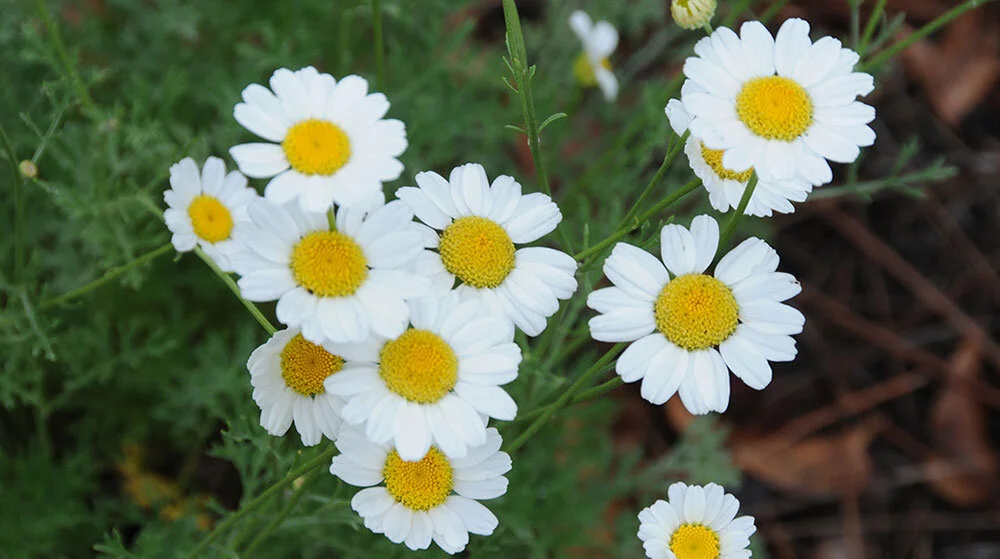
Pyrethrin is a natural compound produced by chrysanthemum flowers (Chrysanthemum cinerariaefolium). It works by attacking the insect’s nervous system, causing paralysis and eventually death. One of its advantages is that pyrethrin is not harmful to mammals, making it relatively safe to use.
Unfortunately, natural pyrethrin has a weakness—it easily breaks down when exposed to sunlight or air. As a result, its effectiveness is short-lived and it cannot be stored for too long. This limitation encouraged researchers to develop its synthetic form.
Thus, pyrethroids were created—man-made versions that mimic the structure of natural pyrethrin. Pyrethroids are more stable, longer-lasting, and easier to store, making them more efficient for pest control.
However, there is another side to consider. Excessive use of pyrethroids can lead to pests developing resistance. Therefore, their application must be managed wisely to remain effective without harming agricultural systems in the long run.
How Research on Pyrethrin Extraction Contributes to Pyrethroids?
Previous studies have explored effective methods for obtaining pyrethrin from chrysanthemum flowers. Researchers tested various extraction techniques to determine which method was the most efficient. The results showed that the Soxhlet method using methanol as a solvent yielded the highest extraction output.
Beyond extraction, purification is also a crucial step to obtain pyrethrin with high concentrations. Among the solvents tested, acetonitrile proved to be the most effective. Using the solid-matrix partitioning method, pyrethrin concentration could even reach 60.37%.
Interestingly, the insecticidal properties of pyrethrum come from six main compounds with unique stereochemical structures. This configuration allows pyrethrin to specifically target insects while remaining harmless to mammals, further reinforcing its advantage as a natural insecticide.
Pyrethrin itself is a mixture of several related ester compounds, with high concentrations found on the surface of the ovaries in the flower head. This is why chrysanthemum flower heads are always chosen as the primary raw material for both research and production.
Thanks to its environmentally friendly nature, pyrethrin holds great potential for organic farming and integrated pest management (IPM) systems. By using it, farmers can reduce their reliance on synthetic chemicals. Thus, pyrethrin is not only effective in controlling pests but also supports sustainable agriculture.
If you want to ensure the quality and composition of the pesticides you use or produce, IML Research is ready to assist with pesticide laboratory testing services. Through analysis of active compound content, formulation stability, and biological effectiveness testing against target pests, we support you in producing safer, more effective, and more sustainable pest control products. Contact us to begin testing and ensure each pesticide formulation performs optimally according to field needs.
Author: Dherika
Editor: Sabilla
References:
Chrustek, A., Hołyńska-Iwan, I., Dziembowska, I., Bogusiewicz, J., Wróblewski, M., Cwynar, A., & Olszewska-Słonina, D. (2018). Current Research on the Safety of Pyrethroids Used as Insecticides. Medicina (Kaunas, Lithuania), 54(4), 61. https://doi.org/10.3390/medicina54040061.
Harun-Ur-Rashid, M., & Imran, A.B. (2025). Biomimetic and Synthetic Advances in Natural Pesticides: Balancing Efficiency and Environmental Safety. Journal of Chemistry, 2025, 1-23. https://doi.org/10.1155/joch/1510186.