Biomimetic vs Synthetic Pesticides in Pest Management

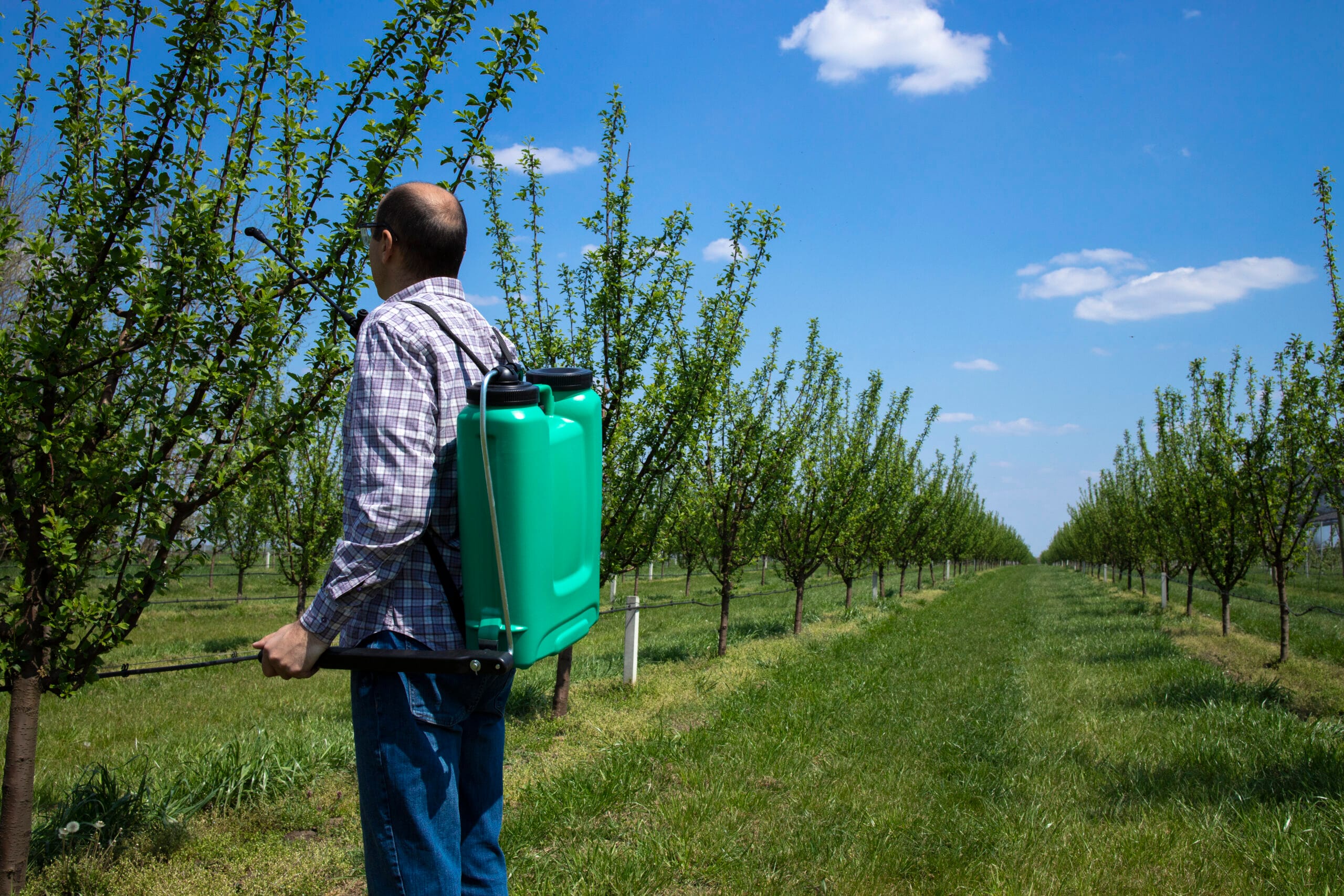
In modern agriculture, the use of pesticides is a crucial step in protecting crop yields from pest attacks. Two main approaches that have emerged are the biomimetic and synthetic approaches. The biomimetic approach imitates natural mechanisms for pest control, while the synthetic approach relies on man-made compounds designed for high durability and effectiveness. A thorough comparison of these two approaches is essential, as it involves considerations of effectiveness, environmental impact, and long-term sustainability.
- Comparing the Effectiveness of Biomimetic and Synthetic Pest Control
- Environmental Impacts of Biomimetic and Synthetic Approaches
- Save Now or Save Later? Comparing the Cost-Effectiveness and Accessibility
- Long-Term Impacts on Soil and Ecosystems
Comparing the Effectiveness of Biomimetic and Synthetic Pest Control
Biomimetic pesticides work by mimicking natural compounds that interfere with specific biological pathways in pests. For example, azadirachtin affects the insect hormonal system, while pyrethrin disrupts sodium ion channels, leading to paralysis and death. These specific mechanisms make biomimetic pesticides generally more selective toward their target pests, thereby reducing risks to non-target organisms.
However, a key drawback of biomimetics is their tendency to break down easily in the environment, whether due to sunlight or microbial activity. This results in a short field lifespan, often requiring repeated applications or special formulations to enhance durability. These challenges can reduce the practicality of biomimetics for large-scale use without additional technological support.
In contrast, synthetic pesticides are engineered for greater stability and typically have a broader spectrum of action. For instance, synthetic pyrethroids are more stable and offer longer-lasting residual effects compared to natural pyrethrins. While they provide consistent protection, their continuous use increases the risk of pest resistance—an issue of major concern in modern agricultural practices.
Environmental Impacts of Biomimetic and Synthetic Approaches
Biomimetic pesticides offer a clear advantage in terms of environmental compatibility, as they are derived from natural compounds and degrade easily. Products like neem break down quickly into non-toxic residues, thereby reducing contamination of soil and water.
In contrast, synthetic pesticides tend to persist in the environment and can cause long-term contamination issues. Some synthetic compounds are classified as Persistent Organic Pollutants (POPs), which can disrupt ecosystems and poison non-target organisms. For example, runoff from synthetic pesticides has been linked to declines in aquatic biodiversity and groundwater pollution.
Read more:
Synthetic Advances in the Development of Natural Pesticides
Save Now or Save Later? Comparing the Cost-Effectiveness and Accessibility
Economically, synthetic pesticides are generally cheaper and more accessible due to efficient mass production. Their durability in the field also reduces the need for frequent applications, lowering operational costs for farmers. This makes them the preferred choice in many agricultural regions, especially those with limited resources.
However, the long-term costs associated with synthetic use are often higher. Expenses related to managing pest resistance, environmental degradation, and human health impacts may outweigh the initial savings. Therefore, the cost-effectiveness of synthetic pesticides should be evaluated holistically—not just by their purchase price.
On the other hand, biomimetic pesticides tend to have higher production costs due to the complex processes involved in extracting or synthesizing natural compounds. For example, producing azadirachtin from neem or pyrethrin analogs requires advanced technology. Nevertheless, this approach aligns with sustainable agriculture and may become a cost-effective long-term solution if supported by subsidies or environmentally friendly production technologies.
Long-Term Impacts on Soil and Ecosystems
The use of biomimetic pesticides has shown minimal impact on soil health and ecosystem balance. Due to their rapid biodegradability, their residues do not disrupt soil microorganisms that are vital for fertility. For example, neem-based formulations have been found to enhance beneficial microbial activity while suppressing soil pathogens.
Moreover, the application of natural pyrethrins does not harm populations of earthworms and other soil fauna that play a key role in nutrient cycling. A healthy soil ecosystem is essential for sustainable agriculture, as it supports long-term productivity. This suggests that biomimetic approaches are more aligned with efforts to preserve ecosystem functions.
In contrast, synthetic pesticides can lead to the accumulation of toxic residues in soil and negatively affect important microbial communities. Long-term use has often been associated with reduced soil fertility, increased acidity, and a decline in below-ground biodiversity. Therefore, transitioning to biomimetic solutions is highly recommended to maintain ecosystem functions in the long-term.
Every pesticide innovation, whether natural or synthetic, must ultimately pass laboratory testing to ensure its effectiveness and safety. This is where laboratory testing plays a crucial role, as comprehensive testing allows manufacturers to ensure that the formulations they release truly work, are safe to use, and meet marketing authorization standards.
If you want to ensure the pesticides you develop meet industry-required quality and safety standards, IML Research is ready to assist with comprehensive, accurate, and reliable laboratory testing services. Consult with IML Research about your pesticide lab testing needs.
Author: Dherika
Editor: Sabilla Reza
References:
D. T. Agbor, T. T. Oben, L. T. Afoh, et al. (2022). Comparative Study of Botanicals and Synthetic Insecticide on the Control of Insect Pests and Diseases of Cowpea. International Journal of Agriculture and Environmental Research, 8, 368–387.
Harun-Ur-Rashid, M., Imran, A.B. (2025). Biomimetic and Synthetic Advances in natural Pesticides: Balancing Efficiency and Environmental Safety. Journal of Chemistry, 2025, 1-23. https://doi.org/10.1155/joch/1510186.
V. Stejskal, T. Vendl, R. Aulicky, & C. Athanassiou. (2021). Synthetic and Natural Insecticides: Gas, Liquid, Gel and Solid Formulations for Stored-Product and Food-Industry Pest Control. Insects, 12(7), 590. https://doi.org/ 10.3390/insects12070590.